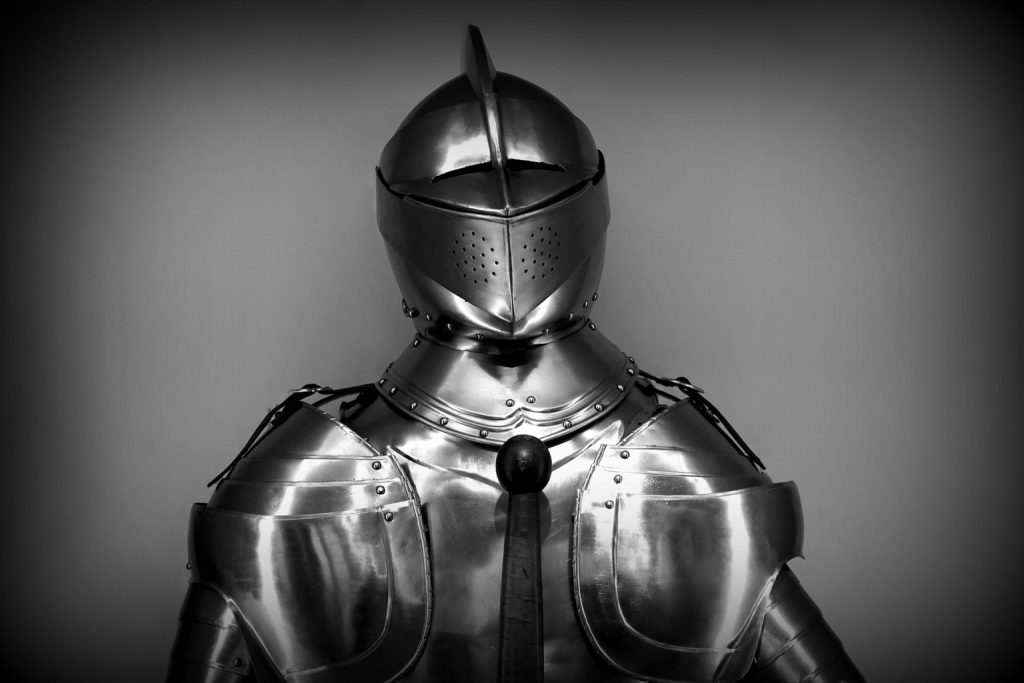
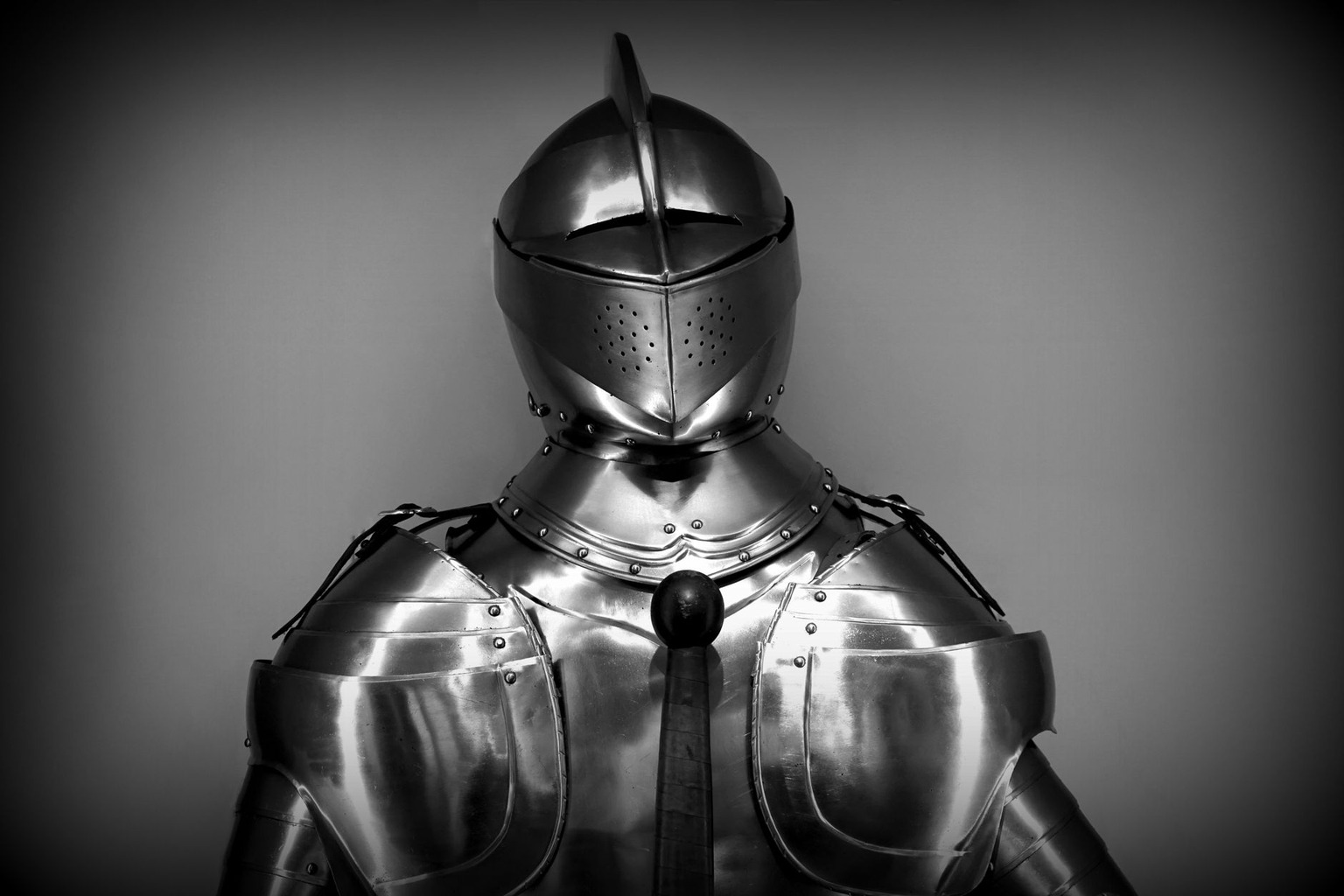
The Poor Fellow-Soldiers of Christ and of the Temple of Solomon emerged during a volatile twelfth century, transforming from a small band of protectors into a formidable military monastic order that reshaped medieval society. When Bernard of Clairvaux championed their cause and helped draft their foundational rules, he recognized that visual markers mattered immensely for organizational cohesion and public perception. The introduction of distinctive garments served as a powerful tool to unify brothers who came from diverse European noble houses, replacing their varied secular clothing with a uniform standard. This deliberate aesthetic choice elevated their operational status, turning ordinary knights into recognizable agents of divine authority across turbulent geopolitical landscapes.
Criteria for Selecting Sacred Vestments in Medieval Orders
Church councils and monastic leaders applied rigorous theological standards when approving the specific colors and fabrics worn by religious military fraternities during the formative years of the crusades. Practical durability on dusty Levantine battlefields had to align perfectly with biblical symbolism, where white traditionally represented purity, spiritual cleansing, and the unblemished sacrifice of the martyred soul. Monastic superiors evaluated how easily textiles could be maintained in arid climates, favoring undyed wool that resisted fading under the scorching Mediterranean sun. Financial economy also played a role because natural white wool was cheaper to produce than complex dyed fabrics, allowing the organization to outfit hundreds of fighting brethren efficiently.
Another crucial factor involved psychological dominance and battlefield recognition, ensuring that allied forces could spot the main battle line of the brothers during chaotic cavalry charges. Leaders needed a visual anchor that projected unwavering discipline and religious zeal, setting the military brethren apart from mercenary bands and secular feudal levies who fought merely for plunder. The textile had to maintain its crisp appearance through rigorous daily wear, reminding the wearer of his vows of chastity, obedience, and poverty while riding into combat. The Templar white mantle’s significance stems from the administrative and symbolic pressures shaping ecclesiastical decisions in twelfth-century Europe.
The Canonical Approval of Undyed Wool by the Papacy
Papal decrees at the Council of Troyes officially granted the brothers the right to wear a plain white tunic and cloak, a privilege that distinguished them from older monastic groups who wore black or brown habits. This visual distinction signaled a higher level of spiritual dedication, linking the wearer directly to the heavenly host and reinforcing the notion of a sacred crusade against regional adversaries. Pope Honorius II and his successors understood that branding the order with a bright color would enhance its visibility and prestige among potential donors across England, France, and Germany. Consequently, the pristine garment transformed into an institutional asset that attracted substantial land grants and financial endowments from pious aristocrats.
Skeptical local clergy initially questioned why fighting men required the privileges of cloistered monks, but papal backing silenced most ecclesiastical critics by framing holy warfare as the highest form of Christian charity. The choice of undyed sheep wool emphasized humility despite the immense wealth and military might accumulating within commanderies throughout Christendom. Brothers took great pride in their distinctive uniform, treating the fabric with profound reverence during daily chapter meetings and communal prayers. This institutionalized aesthetic cemented their identity as elite defenders of the faith, whose very presence on the battlefield inspired terror in opponents and courage in fellow crusaders.
The Red Cross Addition as a Badge of Martyrdom
Pope Eugenius III introduced a striking crimson cross pattee to the left shoulder of the cloak during the Second Crusade, completing the iconic visual profile that remains famous in modern historical memory. This brilliant splash of scarlet against the pale background carried profound theological weight, symbolizing the blood shed by Christ and the willingness of every brother to die for the defense of the Holy Land. The red emblem turned the outer garment into a walking monument of potential martyrdom, elevating tactical military operations to the level of a supreme spiritual sacrament. Commanders strictly forbade brothers from removing the cross, ensuring that the symbol remained constantly visible as a permanent reminder of their ultimate vow.
If you want to dive deeper, Real Crusades History explains the fascinating origins of this iconic garment, and you can watch it right here.
Historians note that this addition helped differentiate the order from rival military fraternities like the Hospitallers, who wore black mantles adorned with a white cross of Amalfi. Such clear heraldic separation reduced friendly fire incidents during chaotic engagements and clarified chain of command issues when multiple Christian factions operated on the same front. The scarlet fabric used for the crosses came from expensive kermes dye, creating a sharp contrast that projected immense organizational wealth and operational organization. Through this deliberate design choice, church authorities successfully branded the holy war as an official enterprise sanctioned by divine providence.
Sumptuary Regulations and Maintenance of Uniformity
Internal statutes of the organization imposed strict rules regarding the manufacture, distribution, and upkeep of the sacred outerwear to prevent vanity and preserve egalitarian ideals among aristocratic recruits. Brothers received a specific number of garments each year, and they had to mend tears immediately using coarse thread rather than replacing items frivolously. Superior officers inspected wardrobes regularly during regional chapter meetings, punishing any knight who decorated his apparel with unauthorized embroidery or luxurious furs. These rigorous disciplinary measures ensured that every member projected a unified front of austere piety, regardless of his personal wealth or noble lineage back home.
The punishment for losing one’s cloak in battle was severe, often involving temporary expulsion from the communal dining hall or demotion to a harsher labor detail within the castle walls. Such strict enforcement kept the troops focused on tactical discipline rather than personal glory, reinforcing the idea that the collective mission mattered far more than individual vanity. Master tailors working within each commandery followed exact measurements and stitching patterns, creating a standardized supply chain that stretched from Scotland to the Kingdom of Jerusalem. This logistical marvel guaranteed that whether a brother stood guard in Acre or paraded through Paris, his appearance remained uniformly intimidating and canonically approved.
Psychological Impact on Adversaries and Allied Forces
Encountering a massed formation of heavy cavalry clad in pristine white wool and striking red crosses created a terrifying psychological spectacle for opposing armies on the Anatolian plains and Syrian hills. Islamic chroniclers frequently mentioned these formidable horsemen, recognizing their distinct uniforms as the focal point of Christian resistance during major skirmishes and protracted sieges. The visual uniformity suggested a relentless, machine-like dedication that refused to break under pressure, intimidating foes who relied on fluid tribal tactics and rapid cavalry maneuvers. For allied European levies, the sight of the elite vanguard advancing in their bright garments provided immense reassurance and boosted flagging morale during desperate combat situations.
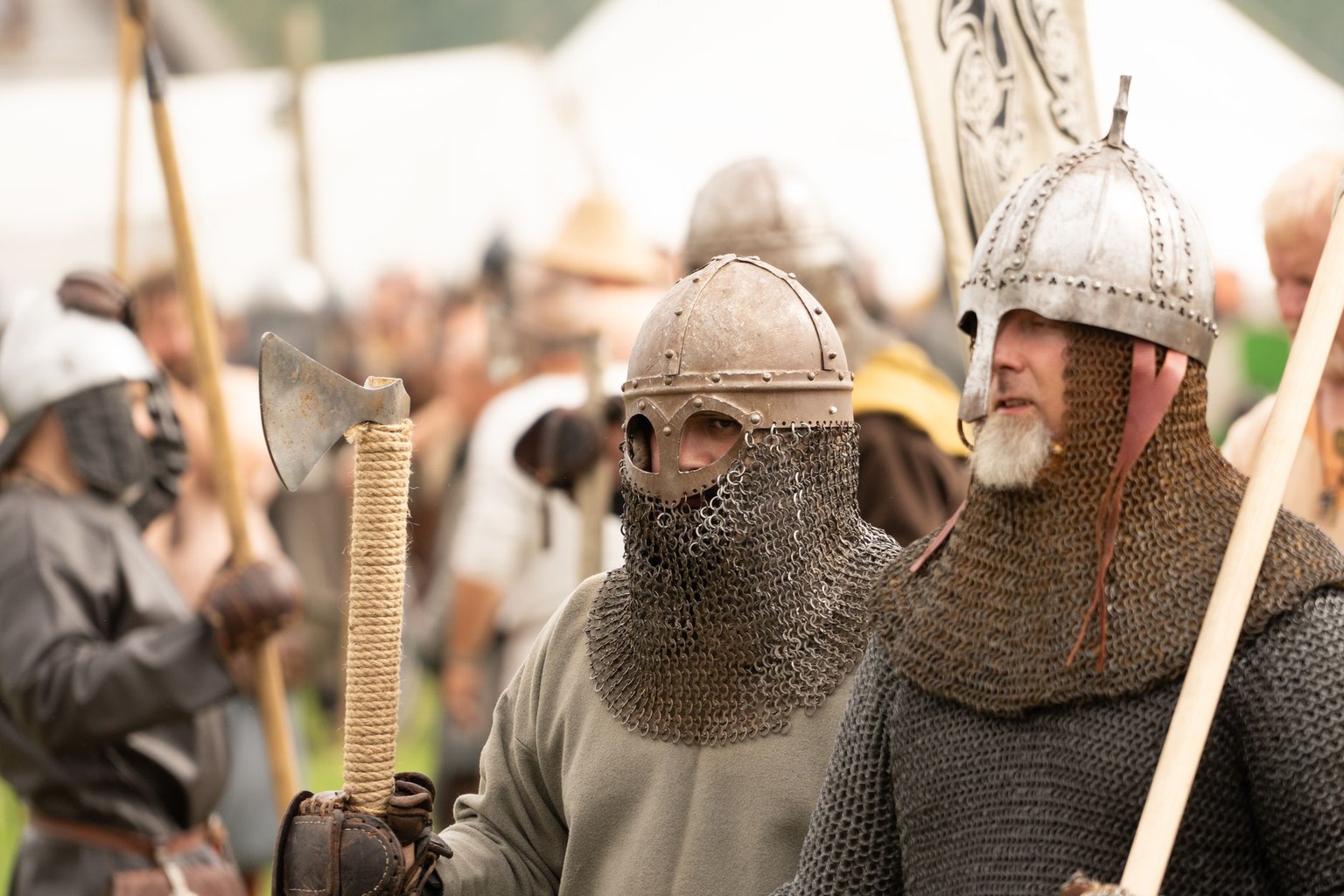
This deliberate intimidation factor altered medieval warfare tactics, forcing opposing commanders to adjust their troop deployments and reserve strategies whenever the brothers took the field. The psychological weight of the vestments meant that wearing the garment required immense personal courage, because enemies targeted the recognizable knights specifically to capture or destroy the famous symbols. Veterans wore their weathered and stained garments with immense pride, viewing every patch and fray as a testament to their survival in brutal holy war campaigns. Thus, the clothing transcended mere fabric, becoming an active participant in psychological warfare that influenced the outcome of numerous historical conflicts.
Selecting Appropriate Attire for Modern Historical Reenactment
Choosing the correct replica garments for living history events or educational presentations requires careful attention to historical documentation, fabric weight, and authentic construction techniques rather than relying on fantasy costume designs. Reenactors must source unbleached, medium-weight sheep wool that drapes correctly over chainmail armor, avoiding synthetic blends that ruin the authentic appearance and historical integrity. The cut of the cloak should follow surviving medieval patterns, featuring generous proportions that allowed mounted knights to ride comfortably while keeping their weapons and armor sheltered from rain and dust. Securing the garment with simple leather cords or bone toggles rather than modern metal clasps ensures accuracy during public demonstrations and museum displays.
Fabric maintenance requires traditional cleaning methods to simulate the harsh conditions experienced by twelfth-century campaigners without damaging the natural wool fibers through excessive modern laundering. Participants should research regional variations in cross shapes and cloak lengths across different decades of the crusade era to maintain strict educational standards in their portrayals. Explaining these sartorial details to the public helps dispel romantic myths, replacing them with concrete facts about medieval military logistics, religious devotion, and administrative organization. By respecting the historical reality behind the clothing, modern enthusiasts honor the complex legacy of these medieval institutions accurately and respectfully.

I’ve always been fascinated by how societies and organizations shape history and everyday life. Writing about the interplay between cultural movements and institutional structures lets me explore the stories that connect past and present. I love digging into archives and sharing insights that help readers understand our collective journey.