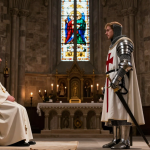
The Origins of the Knights Templar
The Knights Templar, officially known as the Poor Fellow-Soldiers of Christ and of the Temple of Solomon, were founded around 1119 in Jerusalem. Their initial purpose was to protect Christian pilgrims traveling to the Holy Land following the First Crusade. The Templars quickly gained prominence due to their military prowess and organizational skills. They established a network of fortifications across the Levant, becoming a formidable force in the Crusades. Over time, their role evolved from mere protectors to active participants in military campaigns, often leading charges in significant battles and establishing a reputation for bravery and discipline.
The Templars also became known for their financial operations. They developed one of the first banking systems in Europe, allowing pilgrims to deposit their valuables in Europe and withdraw funds in the Holy Land. This financial innovation not only funded their military endeavors but also contributed to their wealth and influence within Christian society. The rapid expansion of their power, however, would set the stage for their eventual downfall.
The Structure and Organization of the Templars
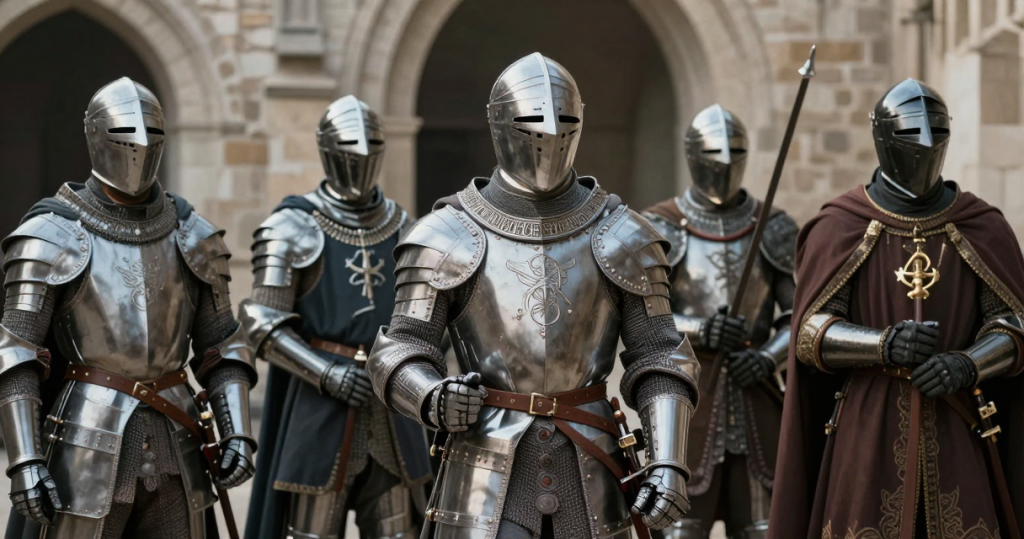
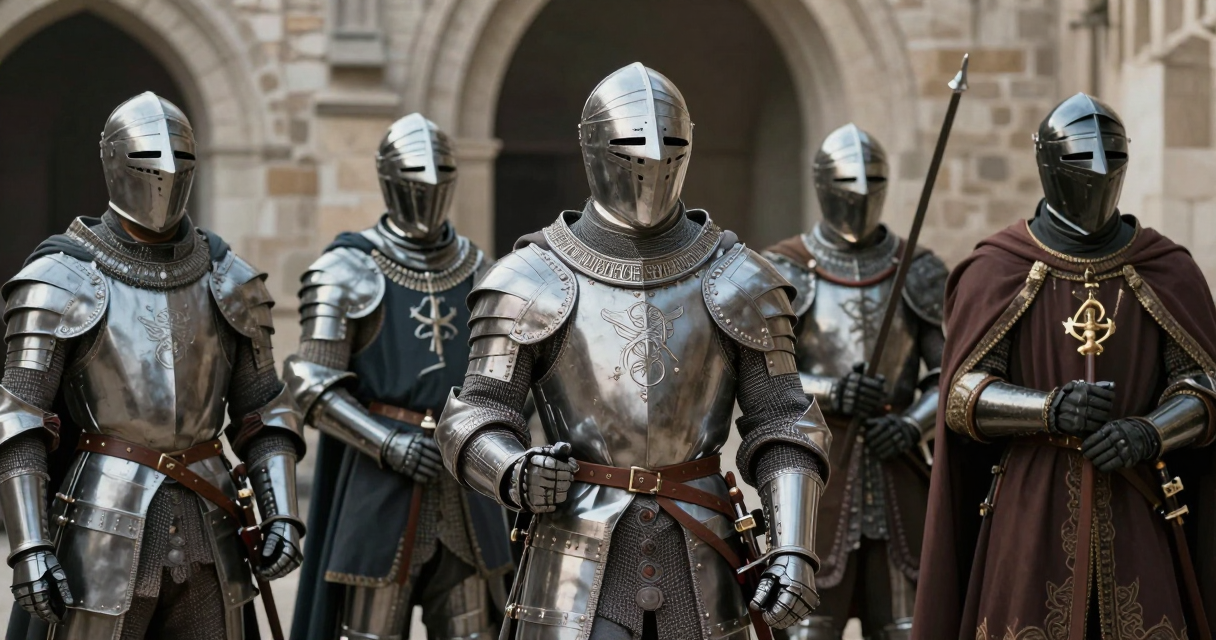
The Knights Templar operated under a strict hierarchical structure that ensured efficiency and discipline. At the top was the Grand Master, who wielded significant authority over the order’s operations and decisions. Below him were various ranks, including commanders, knights, and sergeants, each fulfilling specific roles within the organization. This structure allowed the Templars to manage their extensive properties and military forces effectively, as they operated in multiple regions across Europe and the Middle East.
Each Templar commandery functioned as a self-sufficient unit, with its own resources and personnel. These commanderies not only served as military bases but also as centers for agricultural and financial activities. The Templars received donations from wealthy patrons, which further enhanced their economic power. This multifaceted approach to organization allowed the Knights Templar to thrive during the height of their influence, but it also made them targets for envy and suspicion among rival factions.
Religious Aspects of the Knights Templar
The Knights Templar were not only a military order but also a deeply religious organization. Members took monastic vows of poverty, chastity, and obedience, which aligned their mission with the broader goals of the Church. They conducted daily prayers and rituals, emphasizing their commitment to the Christian faith. The Templars’ unique blend of warrior and monk set them apart from other military orders, such as the Hospitallers, who focused primarily on providing medical care.
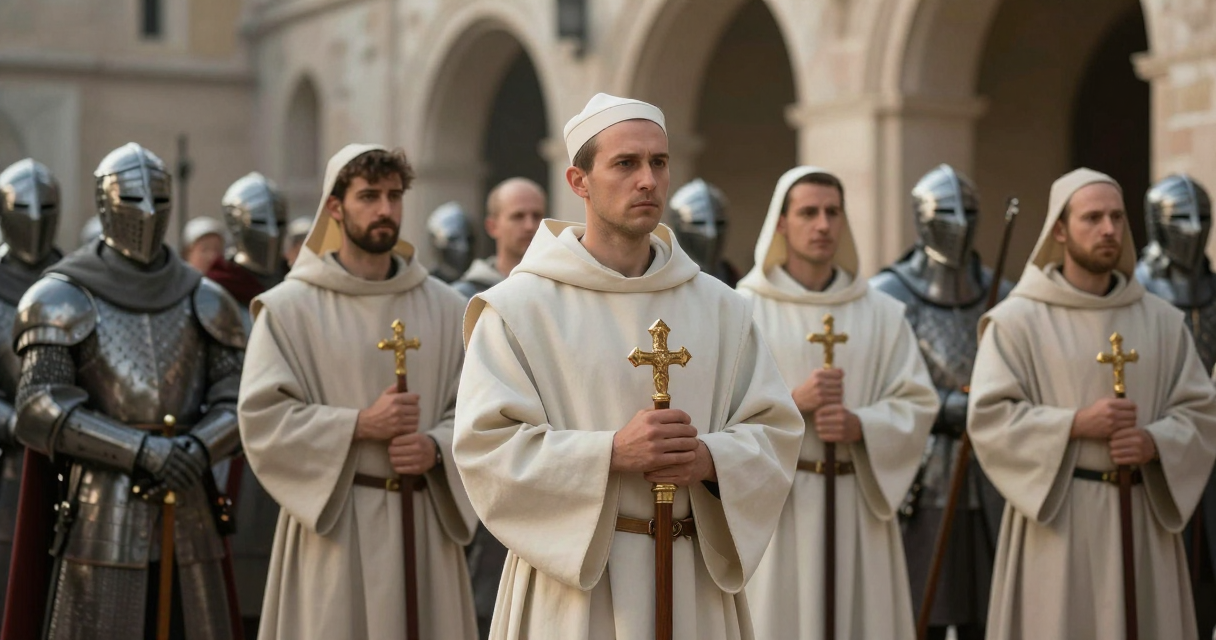
This religious fervor was central to their identity, as they viewed their military actions as a holy crusade against non-Christian forces. The Templars believed that their sacrifices on the battlefield were acts of devotion, which granted them divine favor. This conviction was evident in their adoption of the cross as a symbol of their order and their commitment to defending Christendom. However, this intertwining of faith and warfare would later contribute to their controversial reputation.
Knights Templar and Other Religious Orders
The Knights Templar were part of a broader tradition of military religious orders that emerged during the Crusades. Other notable orders included the Knights Hospitaller and the Teutonic Knights, each with distinct missions and organizational structures. While the Templars focused on military engagement and protection of pilgrims, the Hospitallers primarily provided care for the sick and wounded. The Teutonic Knights, on the other hand, operated mainly in Eastern Europe, where they sought to convert and settle pagan populations.
Despite their differences, these orders often collaborated on military campaigns, sharing resources and strategies. They also competed for donations and influence, which led to rivalries and tensions. The Templars’ unique reputation as both elite warriors and devout monks garnered them significant support from European monarchs and the Church, further complicating their relationships with other orders. This dynamic fostered a landscape of both collaboration and competition among the various military religious orders.
The Decline of the Knights Templar
The decline of the Knights Templar is a complex narrative marked by political intrigue and betrayal. By the early 14th century, the Crusades had waned, and the Templars’ military relevance diminished. Their vast wealth and power became subjects of envy, particularly from King Philip IV of France, who was heavily indebted to the order. In 1307, on Friday the 13th, Philip ordered the arrest of Templar leaders, accusing them of heresy, blasphemy, and other charges. This event marked a significant turning point in the order’s history.
The subsequent trials were marred by torture and forced confessions, leading to a public spectacle that tarnished the Templars’ reputation. In 1312, Pope Clement V officially disbanded the order under pressure from Philip. Many Templars were executed or imprisoned, while their assets were seized by the Crown and the Church. This dramatic downfall not only ended the Templar legacy but also set a precedent for the persecution of other religious orders and the intertwining of politics and religion in medieval Europe.
The Legacy of the Knights Templar
The legacy of the Knights Templar extends far beyond their military endeavors and tragic demise. They have become iconic figures in popular culture, symbolizing chivalry, mystery, and intrigue. Numerous books, films, and conspiracy theories have been inspired by their history, often romanticizing their role in the Crusades and their secretive practices. The myths surrounding the Templars, such as the supposed treasure they amassed or their connection to the Holy Grail, continue to captivate the public imagination.
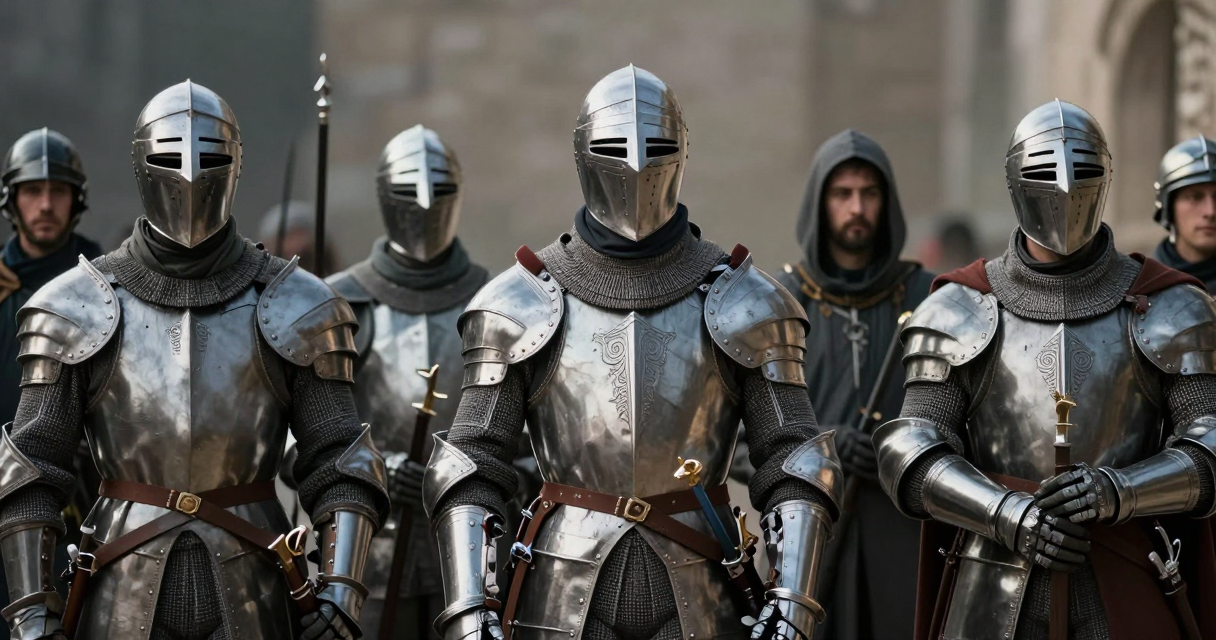
Moreover, the Templars’ influence can be seen in the formation of later fraternal organizations and secret societies, which often adopt elements of Templar symbolism and ritual. Modern-day groups, such as the Freemasons, draw inspiration from the Templars’ ideals of brotherhood and charity, further embedding the order’s ethos into contemporary society. This ongoing fascination with the Knights Templar reflects a broader interest in the intersection of history, mythology, and spirituality.
Modern-Day Knights Templar Organizations
In the present day, various organizations claim to be descendants or continuations of the Knights Templar. These groups often emphasize charitable work, community service, and the preservation of the Templar legacy. While some are purely fraternal organizations, others may incorporate elements of the Templar’s historical mission, such as promoting Christian values and supporting humanitarian efforts worldwide.
These modern Templar organizations vary significantly in structure, purpose, and ideology. Some focus on historical education and research, while others may engage in more esoteric practices or rituals. Despite their diverse interpretations of Templar heritage, these groups often share a common goal of honoring the memory of the original Knights Templar and their contributions to history, society, and religion.

I’ve always been fascinated by how societies and organizations shape history and everyday life. Writing about the interplay between cultural movements and institutional structures lets me explore the stories that connect past and present. I love digging into archives and sharing insights that help readers understand our collective journey.