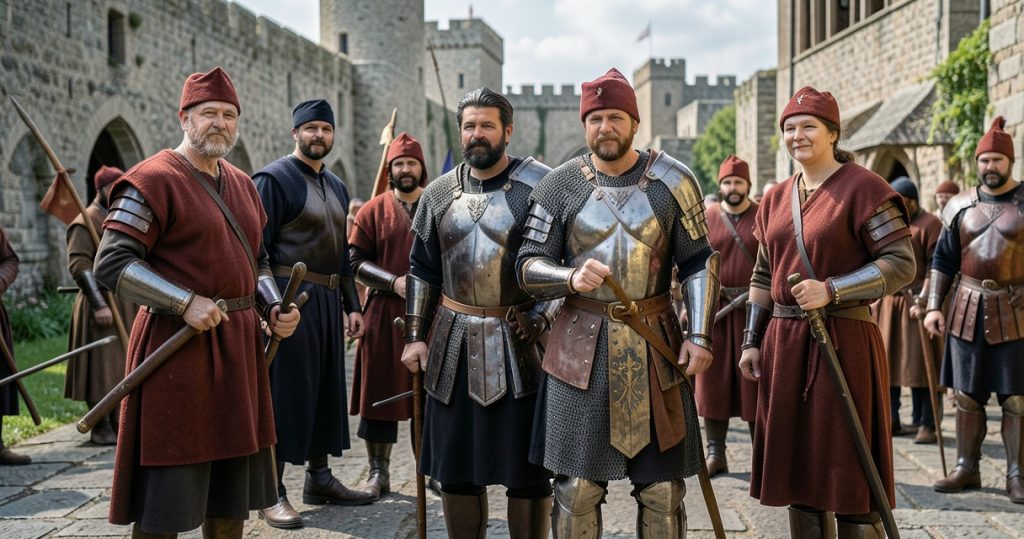
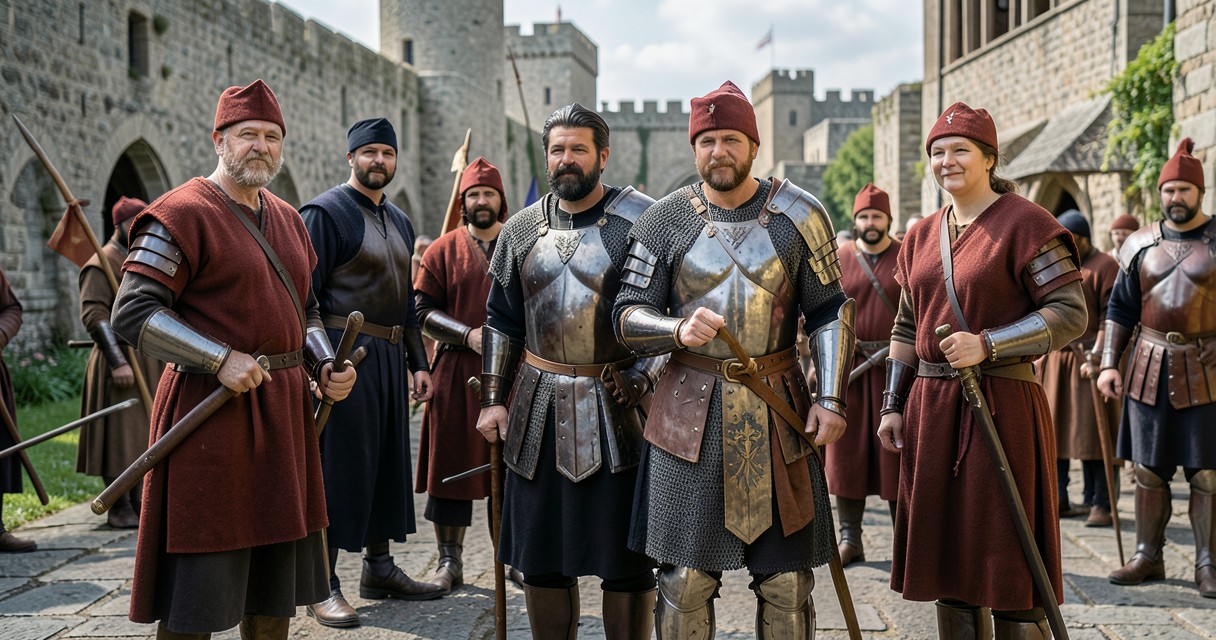
Knights Templar clothing and armor represent a fascinating blend of functionality, symbolism, and the historical context of the medieval period. As a military order founded in the early 12th century, the Templars were not only warriors but also monks, and their attire reflected both their martial duties and their religious commitments. This article delves into the various elements of their clothing and armor, examining how these aspects served practical purposes while also conveying the Templar identity and values.
The Origins of Templar Clothing
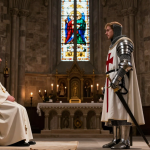
The clothing worn by the Knights Templar evolved from the attire of the early medieval period, influenced by both military needs and monastic traditions. Initially, Templar members wore simple garments that adhered to the monastic lifestyle, typically made from wool or linen. The distinctive white tunic adorned with a red cross became a hallmark of the order, symbolizing purity and the sacrifice of Christ. This uniform not only identified them as Templars but also served as a reminder of their commitment to a holy mission, blending their roles as knights and monks.
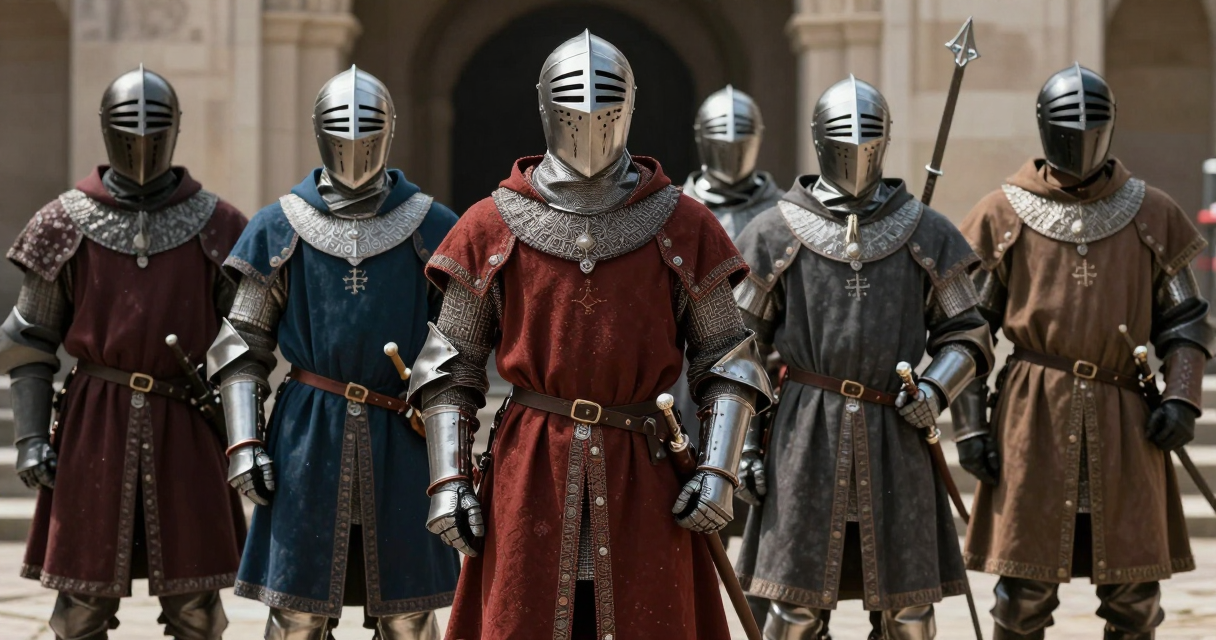
As the order grew in wealth and influence, the quality of their clothing improved. Templars began to wear more elaborate tunics, often made of finer materials, while maintaining the essential colors and symbols. The tunic’s design was practical for battle, allowing for ease of movement, yet it also conveyed the order’s noble status. This combination of simplicity and elegance became a defining characteristic of Templar clothing throughout the centuries.
The armor of the Knights Templar was integral to their effectiveness on the battlefield. Initially, they relied on chainmail, a type of armor made from interlinked rings that offered flexibility and protection. Chainmail was complemented by padded garments, known as gambesons, which provided additional cushioning against blows. As warfare evolved, so did the armor. By the late 13th century, plate armor became more prevalent, offering greater protection against the increasingly powerful weapons of the time.
The materials used in Templar armor were varied, but iron and steel were predominant for constructing helmets, breastplates, and gauntlets. The combination of chainmail and plate armor provided a balance between mobility and defense. Templars were known for their distinctive helmets, often featuring a visor that could be lifted. This design not only protected the head but also allowed for visibility, crucial during combat. The choice of materials and design was a reflection of the Templars’ commitment to their martial role, emphasizing both safety and the ability to engage effectively in battle.
Beyond functionality, Templar armor was rich in symbolism. The red cross, emblazoned on their tunics and shields, represented the sacrifice of Christ and the Templars’ mission to protect pilgrims traveling to the Holy Land. This symbol became synonymous with the order itself, evoking both reverence and fear among their adversaries. Additionally, the armor often featured intricate designs or motifs that conveyed messages of faith and valor, reinforcing the Templars’ identity as both warriors and defenders of the Christian faith.
The craftsmanship involved in creating Templar armor also played a role in its symbolism. Each piece was meticulously crafted, often by skilled artisans, which not only ensured quality but also represented the order’s commitment to excellence. The attention to detail in their armor served as a reflection of their dedication to their cause, creating a visual representation of their values and mission during the Crusades.
The colors associated with the Knights Templar were not mere aesthetic choices; they held significant meaning. The predominant colors were white and red, each representing different aspects of the Templar identity. White symbolized purity and the monastic vows of the knights, while red represented the blood of Christ and the sacrifices made by the Templars. This color scheme was not only visually striking but also served as a powerful reminder of their spiritual and martial commitments.
In addition to the white tunic and red cross, Templars sometimes wore additional garments in various colors during special ceremonies or ranks within the order. These garments often indicated a knight’s status or responsibilities within the organization. The use of color in Templar clothing was a deliberate choice, reinforcing their identity and mission while also creating a sense of unity among the members of the order.
The design of Templar armor was heavily influenced by the practical needs of warfare. Knights engaged in various types of combat, requiring armor that could withstand swords, arrows, and other weapons while allowing for mobility. The layering of chainmail under plate armor provided the necessary protection against slashing attacks, while the articulated design of the plate armor allowed knights to move freely on the battlefield.
Furthermore, the weight of the armor was a critical consideration. Knights needed to be agile and quick, able to mount and dismount horses with ease. As such, Templar armor was designed to distribute weight evenly across the body, reducing fatigue during long battles or campaigns. This focus on practicality ensured that Templars remained effective warriors, capable of executing their duties in the most demanding situations.
The clothing and armor of the Knights Templar have left a lasting legacy that continues to capture the imagination of historians and enthusiasts alike. Their distinctive style has influenced modern interpretations of medieval armor and attire, often seen in films, literature, and reenactments. The Templar aesthetic, characterized by its bold colors and symbolic motifs, remains a powerful representation of the medieval knight’s ethos.
Moreover, the Templars’ approach to armor and clothing has had a lasting impact on military fashion throughout history. Many of the design principles established by the Templars influenced subsequent military orders and knights, shaping the evolution of armor in the centuries that followed. Today, the Knights Templar are often romanticized as the epitome of chivalry and valor, and their clothing and armor play a significant role in that enduring image.

I’ve always been fascinated by how societies and organizations shape history and everyday life. Writing about the interplay between cultural movements and institutional structures lets me explore the stories that connect past and present. I love digging into archives and sharing insights that help readers understand our collective journey.