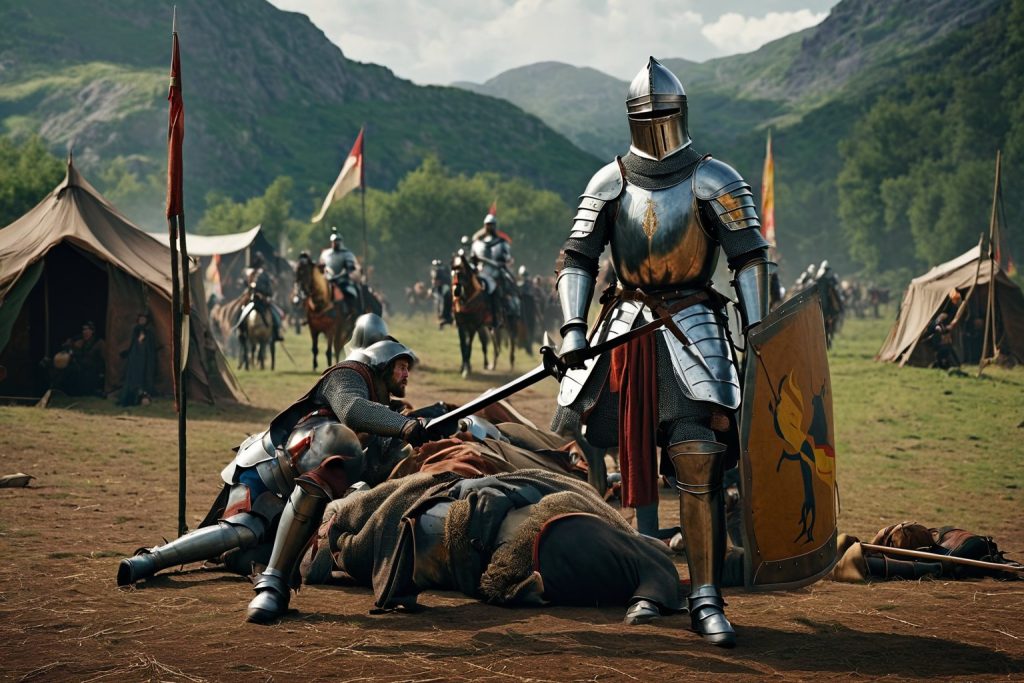
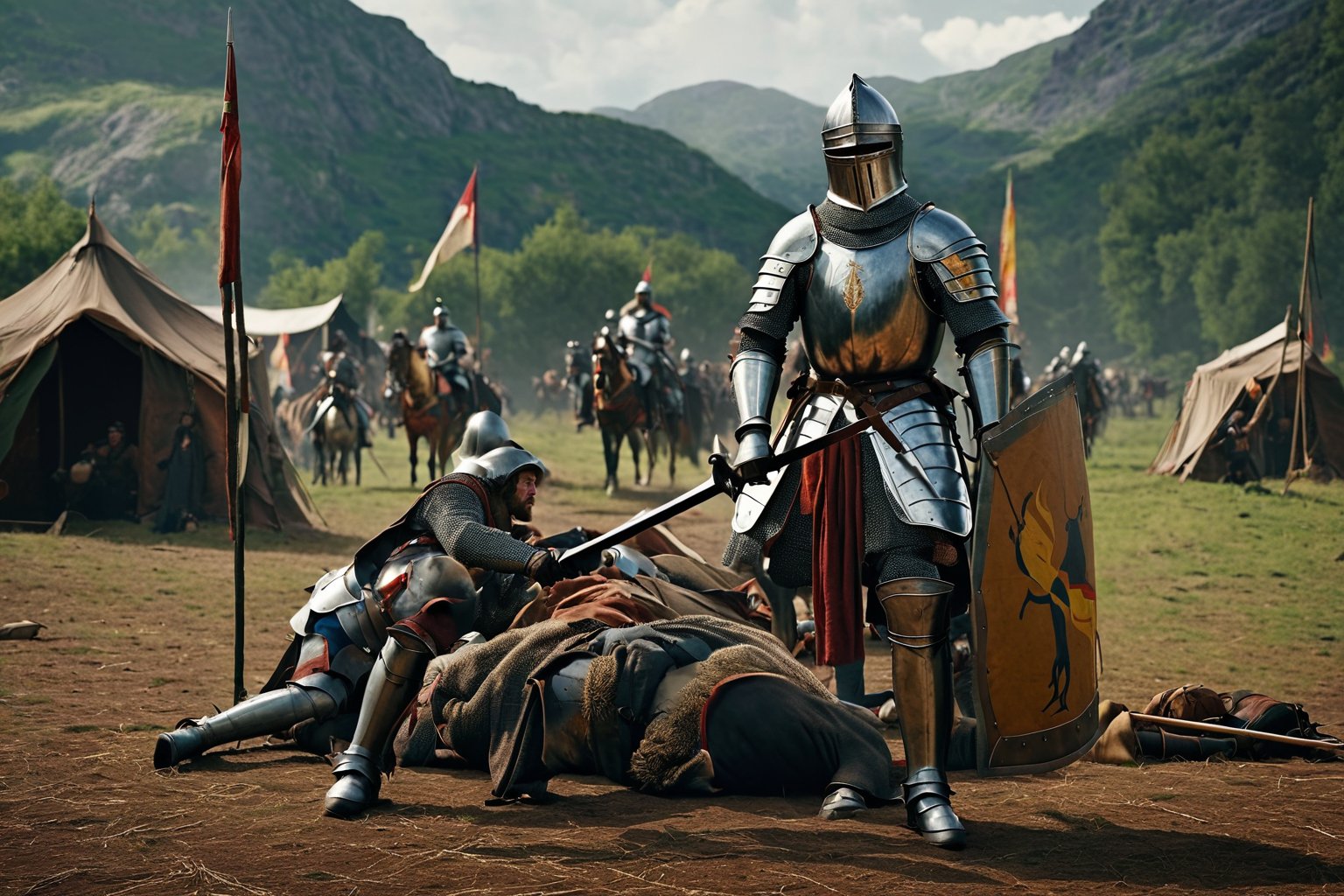
The conventional narrative of the Crusades often paints a rigid picture of irreconcilable religious enemies locked in perpetual conflict, yet a closer look at military records from the twelfth and thirteenth centuries reveals a far more complex reality. Historical evidence suggests that military orders occasionally engaged in pragmatic negotiations with local Muslim leaders to secure safe passage, exchange prisoners, or coordinate limited joint operations against common threats. These Templar Muslim mercenary partnerships were not signs of weakness but calculated strategic decisions that allowed the order to preserve manpower and maintain a foothold in contested territories. By examining these interactions through a modern analytical lens, we can see how flexibility in alliance structures often determined survival as much as raw combat power did. This article breaks down the specific mechanisms, risks, and outcomes of these unconventional diplomatic moves within the broader context of medieval social organization.
The Strategic Necessity of Local Negotiations
Military orders operated with a severe shortage of infantry and local guides, a deficit that pure European heavy cavalry could not cover alone. The terrain of the Levant demanded knowledge of water sources, mountain passes, and seasonal weather patterns that foreign knights simply did not possess. By hiring local mercenaries or negotiating temporary truces, the Templars gained access to this critical intelligence without having to maintain a permanent garrison in every outpost. This practical need drove much of the early diplomacy, as the order recognized that fighting on unfamiliar ground without local support was a recipe for disaster. The decision to engage with Muslim fighters was often less about ideological compromise and more about basic logistical survival in a harsh environment.
The economic pressure of maintaining a permanent standing army further incentivized these arrangements. Recruiting, feeding, and equipping European knights was incredibly expensive, especially when supply lines stretched back across the Mediterranean. Local mercenaries could be hired for short campaigns or specific defensive duties at a fraction of the cost of importing foreign troops. This financial efficiency allowed the order to redirect resources toward fortification building and ship maintenance, which were central to their long-term strategic goals. The willingness to pay local fighters in silver dirhams rather than gold marks reflected a pragmatic approach to budget management that prioritized operational effectiveness over rigid tradition. Such fiscal discipline was a hallmark of the order’s administrative structure during its peak years.
political dynamics within the Crusader states also played a significant role in shaping these alliances. The Latin Kingdom of Jerusalem was constantly threatened by multiple powers, including the Ayyubids, Zengids, and later the Mamluks, each with their own internal rivalries. Templar commanders often exploited these divisions by offering support to one faction in exchange for concessions from another. This multi-layered diplomacy required a deep understanding of local power structures, something that only experienced negotiators could provide. The order’s network of castles served as neutral ground where such talks could take place under strict protocols of honor and security. These political maneuvers were rarely documented in official chronicles, leading to a significant gap in our current historical record.
The Role of Prisoner Exchange and Ransom
One of the most common forms of interaction between the Templars and Muslim forces involved the exchange of prisoners of war. Captured knights and squires held immense value, not only for their military skills but also as symbols of prestige for their captors. Negotiating their release often required the payment of substantial ransoms or the trade of other high-value individuals. These exchanges created a temporary pause in hostilities that both sides could use to regroup and reinforce their positions. The Templars maintained detailed records of captured personnel, ensuring that negotiations were based on accurate data rather than speculation. This bureaucratic approach to diplomacy set them apart from many other military entities of the era.
The financial burden of ransoms was shared between the individual’s family, the military order, and sometimes the royal treasury. This collective responsibility reduced the pressure on any single party and made negotiations more sustainable over time. In cases where a ransom could not be fully paid, partial payments or long-term servitude arrangements were often accepted by both sides. These flexible terms allowed the relationships to continue even when immediate financial resources were tight. The practice of prisoner exchange also served as a diplomatic channel, allowing commanders to communicate messages and assess the intentions of their opponents without direct confrontation. It was a low-risk method of maintaining contact during periods of high tension.
The social status of the prisoners influenced the terms of these negotiations significantly. A captured master of the order or a prominent knight commanded a much higher price than a simple soldier. Muslim leaders understood this hierarchy and often used high-ranking captives as leverage in broader political discussions. The Templars, in turn, used the threat of executing prisoners to deter attacks on their castles, although they rarely followed through on such threats. This calculated use of fear balanced against genuine diplomatic engagement created a stable equilibrium in many regions. The careful management of these human assets was a key component of the order’s overall strategic planning.
Military Logistics and Supply Chain Interactions
Supplying an army in the Levant was a logistical nightmare that required constant coordination with local merchants and producers. The Templars often purchased grain, fodder, and other essential supplies from Muslim farmers and traders to feed their horses and men. These commercial transactions were not merely economic acts but served as subtle diplomatic gestures that maintained goodwill between the two sides. By paying fair prices and honoring contracts, the order built a reputation for reliability that extended beyond the battlefield. This trust was invaluable when negotiations broke down and both sides needed to avoid total war. The integration of local supply chains into military operations was a practical necessity that blurred the lines between commerce and conflict.
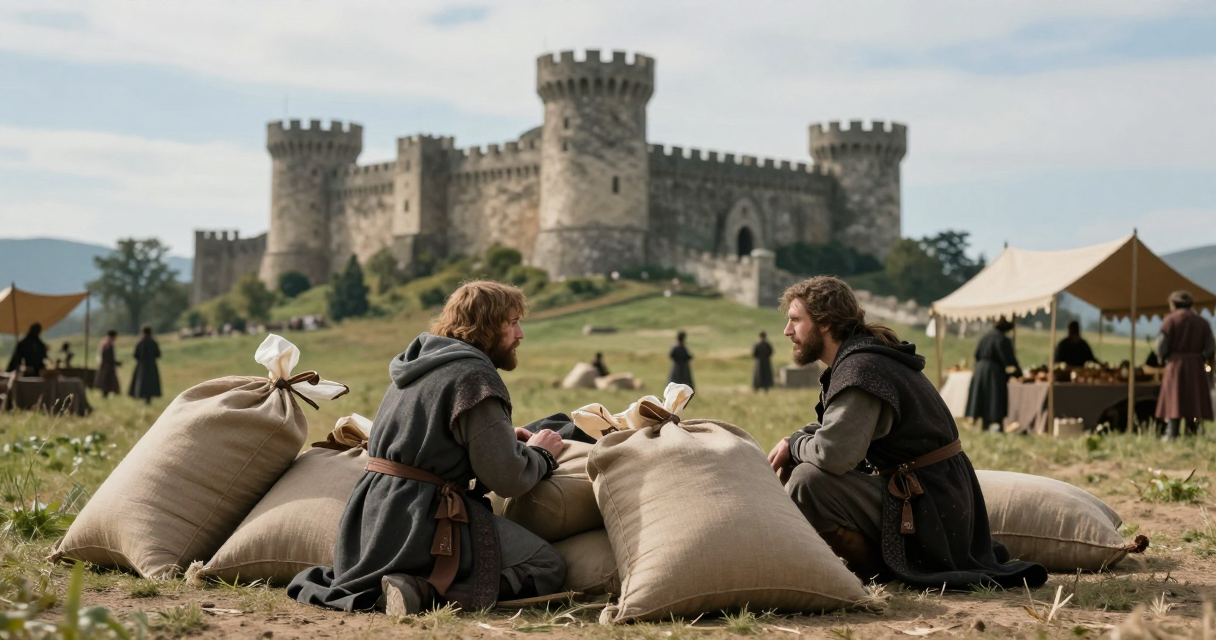
The movement of goods across contested territories required safe passage agreements, which were often negotiated directly with local commanders. These agreements specified routes, times of travel, and protections for merchants and their escorts. Violations of these terms could lead to immediate retaliation, so both sides had a strong incentive to uphold them. The Templars used their castles as secure storage points for supplies, reducing the risk of interception by enemy forces. This network of secure logistics hubs allowed them to sustain prolonged sieges and campaigns without exhausting their resources. The efficiency of this system was a direct result of their willingness to cooperate with local populations on practical matters.
The exchange of technical knowledge also occurred through these supply interactions. Local artisans produced specific types of armor, weapons, and siege equipment that were superior to those available in Europe. By purchasing these items, the Templars gained access to advanced military technology without having to develop it themselves. In some cases, this led to the adoption of new tactics and equipment that improved their combat effectiveness. This transfer of knowledge was a two-way street, as European engineering techniques also influenced local production methods. The mutual benefit of these exchanges ensured that they continued even during periods of active hostilities.
Diplomatic Channels and Communication Networks
The Templars maintained a sophisticated network of messengers and interpreters who facilitated communication with local leaders. These intermediaries were crucial for translating not only language but also cultural nuances and diplomatic protocols. Misunderstandings in translation could have serious consequences, so the order invested heavily in training staff who were fluent in both European and local languages. These interpreters often served as informal ambassadors, building personal relationships that smoothed over official disagreements. The reliability of this communication network was a key factor in the success of many Templar Muslim mercenary partnerships. Without it, negotiations would have frequently collapsed due to simple misunderstandings.
Written correspondence played a vital role in formalizing agreements and maintaining records of commitments. Letters were exchanged between Templar commanders and local leaders, often sealed with personal signets to verify authenticity. These documents served as legal evidence in case of disputes and helped establish a precedent for future interactions. The careful preservation of these records allowed the order to build a long-term memory of diplomatic relations. This institutional memory was a significant advantage over smaller military groups that lacked such administrative capacity. The formalization of agreements reduced the risk of accidental escalation during conflicts.
Personal relationships between commanders often transcended official positions, creating informal channels for conflict resolution. Some Templar knights developed genuine friendships with local leaders, based on shared experiences in battle or mutual respect for military skill. These personal bonds could be used to de-escalate tensions when official diplomacy failed. The human element of these relationships added a layer of complexity that pure institutional analysis often overlooks. Understanding the personal dynamics behind these alliances is essential for grasping the full picture of medieval warfare.
Risks of Betrayal and Trust Deficits
The primary risk in any alliance with an enemy is the potential for betrayal, a fear that was constantly present in Templar decision-making. Local mercenaries could switch sides at any moment, especially if offered better terms by a rival power. To mitigate this risk, the order often held hostages or required oaths of loyalty as part of their agreements. These security measures created a framework of mutual accountability that discouraged opportunistic behavior. However, they also bred suspicion, making it difficult to build genuine trust over time. The constant need for verification and monitoring added a layer of administrative burden to every interaction.
Cultural differences in concepts of honor and loyalty further complicated these relationships. What one side considered a binding promise, the other might view as a flexible arrangement subject to changing circumstances. These misunderstandings could lead to accusations of bad faith and break down negotiations entirely. The Templars had to navigate these cultural gaps with great care, often relying on intermediaries who could explain different perspectives. This cultural sensitivity was a skill that took years to develop and was not always present in their ranks. The lack of a standardized diplomatic code for cross-cultural interactions made every negotiation unique.
The fear of betrayal also influenced military tactics, as commanders planned for the possibility of sudden attacks from allies. Fortifications were designed with multiple layers of defense, ensuring that even if one line fell, others could hold. This defensive mindset was a direct response to the unpredictability of local alliances. It meant that the Templars were often prepared for the worst while still pursuing diplomatic opportunities. This dual approach of strength and diplomacy was a hallmark of their military strategy.
The Influence on Military Tactics and Doctrine
The experience of working with local forces influenced the development of new military tactics within the order. Templar commanders learned to integrate light infantry and cavalry into their battle plans, adapting to the terrain and enemy tactics. This flexibility allowed them to respond more effectively to changing battlefield conditions. The adoption of local weapons and armor also improved their combat effectiveness, as they could counter specific enemy strengths with tailored equipment. These tactical innovations were a direct result of practical experience rather than theoretical planning.
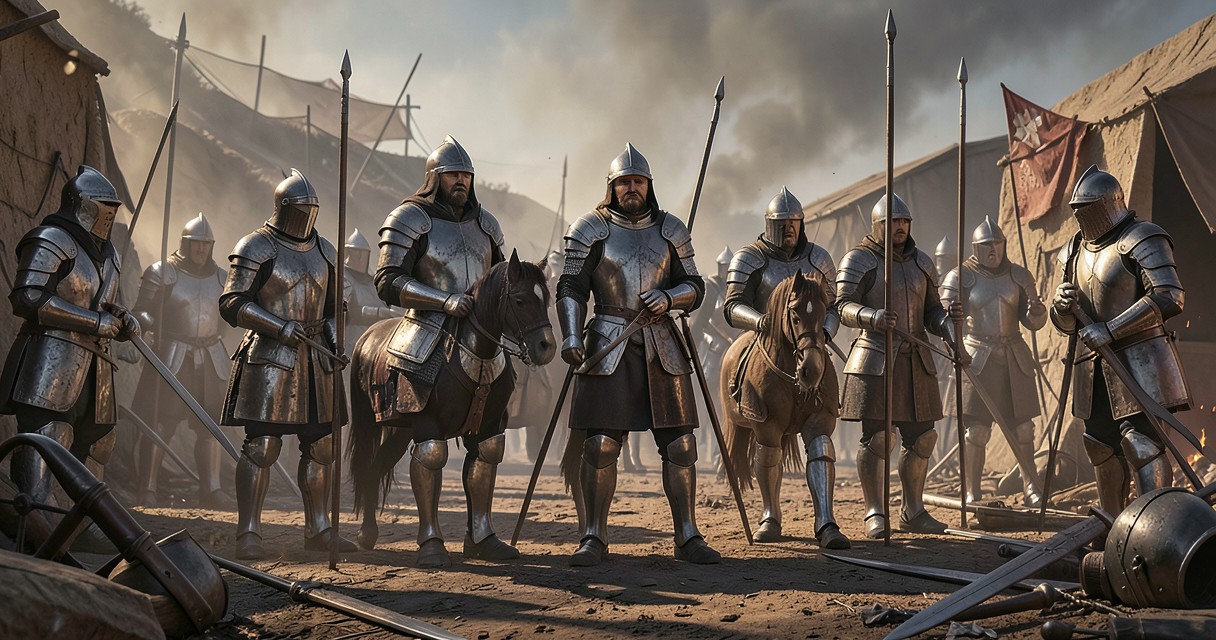
The use of mercenaries also changed the way the Templars approached recruitment and training. They began to value versatility and adaptability over rigid adherence to traditional European methods. This shift in doctrine allowed them to maintain a more diverse and capable force. The integration of local skills into their training programs ensured that new recruits were prepared for the realities of Levantine warfare. This pragmatic approach to military development set the Templars apart from other orders of the period.
The long-term impact of these tactical changes was significant, as they influenced military thinking well beyond the Crusades. The lessons learned in the Levant were carried back to Europe, where they informed the development of new military strategies. This transfer of knowledge was a key factor in the evolution of medieval warfare. The Templars’ willingness to adapt and learn from their opponents made them one of the most effective military organizations of their time.
Economic Implications of Unconventional Alliances
The financial flows associated with these alliances had broader economic implications for both sides. Payments to mercenaries and for supplies created a steady demand for silver and gold, which helped stabilize local economies. The Templars’ banking services also facilitated these transactions, providing a secure means of transferring funds across borders. This economic integration tied the fates of the two sides together in ways that went beyond military conflict. The mutual dependence created by these financial links made it harder for either side to initiate total war.
The profitability of these interactions encouraged local populations to support continued cooperation, even when political leaders favored confrontation. Merchants and farmers who benefited from trade with the Templars had a vested interest in maintaining peace. This grassroots support provided a buffer against political instability and helped sustain the alliances over time. The economic incentives were a powerful force that often outweighed ideological differences.
The long-term financial sustainability of these partnerships depended on the stability of both parties. Economic downturns or political changes could disrupt the flows of money and goods, leading to a breakdown in relations. The Templars had to constantly monitor these factors and adjust their strategies accordingly. This economic awareness was a key component of their overall strategic planning. Understanding the economic dimensions of these alliances is essential for grasping their full significance.

I’ve always been fascinated by how societies and organizations shape history and everyday life. Writing about the interplay between cultural movements and institutional structures lets me explore the stories that connect past and present. I love digging into archives and sharing insights that help readers understand our collective journey.