The suppression of the Order in the early fourteenth century erased many chapters of its operational history, yet the physical imprint of its presence remains woven into the street grids of several European towns. Far beyond the familiar image of crusader castles, the Templars functioned as a unique hybrid of monastic community, military garrison, and early banking consortium. Their dual mandate of protecting pilgrims and managing treasury assets required a specific approach to site selection and layout that differed markedly from both feudal strongholds and monastic foundations. This article examines how the order’s organizational imperatives shaped the emergence and fortification of medieval towns, offering a detailed look at the mechanisms that connected their internal administration with the urban fabric of the High Middle Ages.
Strategic Siting and the Pilgrim Trade
The primary driver behind Templar involvement in urban development was the protection of the flow of pilgrims and trade caravans moving between major religious centers, Templar influence on medieval city development. Unlike many secular lords who established forts at strategic river crossings or mountain passes solely for military advantage, the Templars sought locations that maximized accessibility while minimizing exposure to ambush. Towns such as Chinon in France and Castrojeriz in Spain emerged or were significantly enhanced under Templar patronage, where the order established hospices that doubled as waystations. These waystations were not merely resting places; they were engineered to control the movement of people, ensuring that traffic flowed through gates that the order could monitor and defend. The layout of these settlements often featured a central square or courtyard, a design choice that facilitated the rapid mustering of armed brothers should an attack occur, while still providing open space for markets and communal gatherings.
Furthermore, the Templars’ extensive network of preceptories created a de facto communication grid across Christendom. When the order decided to establish a new town or fortify an existing one, they leveraged this network to coordinate the movement of building materials and skilled labor. This logistical capability allowed them to implement urban plans that included sophisticated water management systems, such as cisterns and channels, which were essential for sustaining populations during sieges. The emphasis on self-sufficiency meant that Templar-founded towns often featured bakehouses, mills, and workshops within their walls, transforming them from purely military outposts into early examples of planned urban centers capable of supporting a permanent civilian population.
Architectural Standards and Fortification Techniques
The Templars brought a distinct architectural vocabulary to the towns they influenced, blending the austere functionality of the monastery with the defensive rigor of the castle. Their approach to fortification was not merely about high walls, but about the integration of the town’s layout with the natural topography to create layered defenses. In many instances, the order encouraged the construction of a “curtain wall” that enclosed not just a keep, but an entire borough, thereby creating a unified defensive perimeter. This was a departure from the typical motte-and-bailey designs of the early period, favoring instead a more rectilinear plan that could be more easily patrolled by a small, disciplined force. The use of squared stone masonry, often marked with the order’s specific insignia, became a hallmark of buildings erected under their guidance, signaling both status and durability to the inhabitants.
Internally, the organization of space reflected the order’s dual life of contemplation and combat. Chapels were typically positioned to receive morning light, while residential quarters for the brothers were situated in the more secure inner wards. For the lay brothers and hired craftsmen who lived within these towns, the layout often followed a radial or grid pattern that facilitated efficient movement while maintaining clear sightlines for surveillance. This attention to spatial organization ensured that the town could function as a cohesive unit during peacetime, with markets and workshops operating smoothly, yet could be quickly sealed and defended should the need arise. The resultant urban form was thus a physical manifestation of the order’s commitment to both spiritual and martial duties.
Economic Engines and the Rise of Merchant Classes
Beyond bricks and mortar, the Templars played a pivotal role in the economic restructuring of medieval Europe, particularly through their innovative approach to finance that intersected with urban growth. The order’s early adoption of the “letter of credit” system allowed pilgrims and merchants to deposit assets at one preceptory and withdraw them at another, effectively creating a secure transfer mechanism that reduced the risk of robbery on long-distance travel. This financial innovation stimulated trade, as merchants felt safer conducting business in towns where Templar influence was present. Consequently, many towns that received Templar patronage experienced a surge in market activity, as the flow of capital became more predictable and secure, encouraging the growth of a prosperous merchant class.
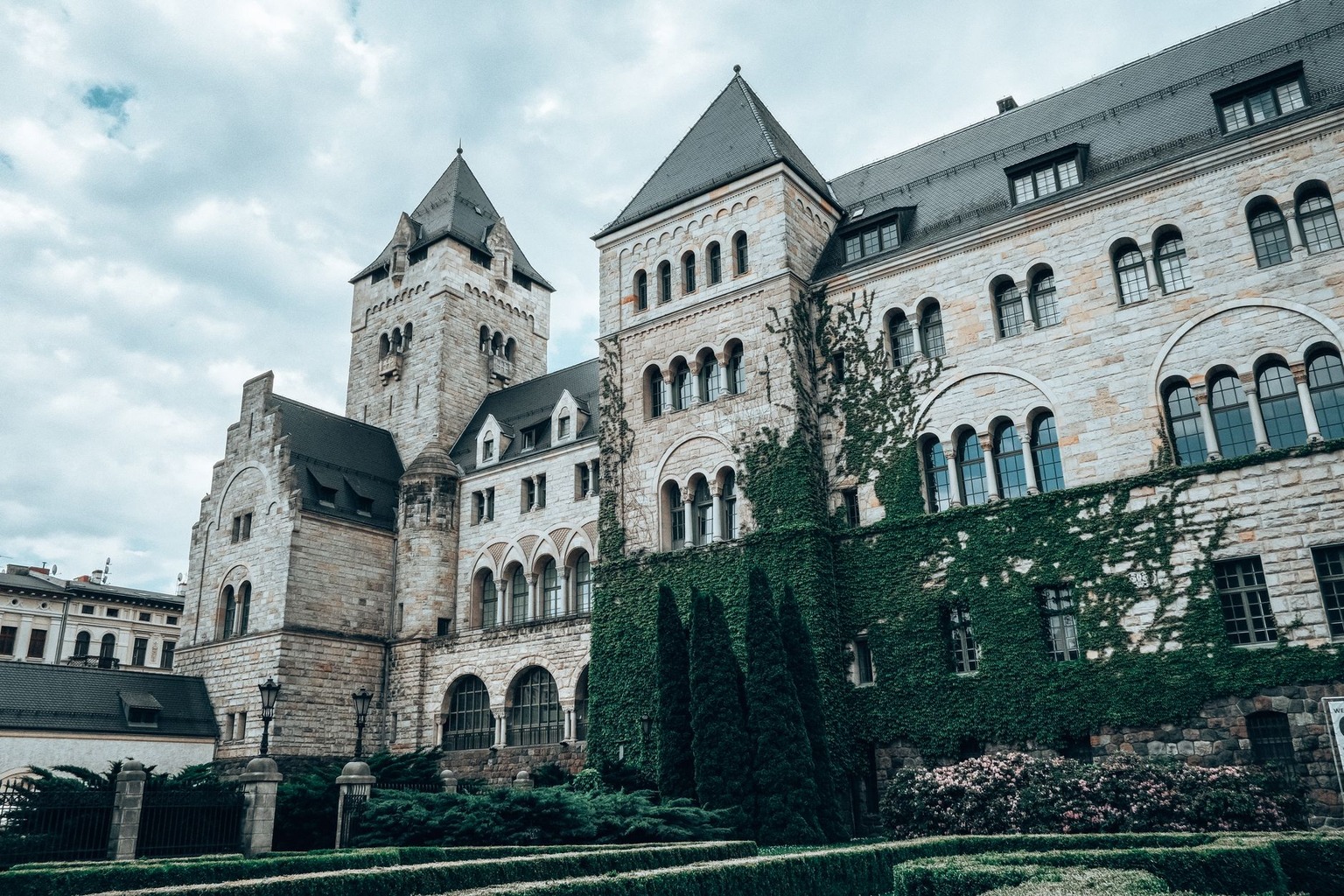
The city of Tomar, built by the Knights Templar, showcases their revolutionary impact on medieval military architecture and fortress designs.
This economic boost often translated into a reciprocal relationship where the towns supported the order’s needs. Urban populations provided the grain, wine, and services necessary to sustain the Templar household, while the order, in turn, protected the town’s interests through its military might. In places like Rhodes and later Cyprus, after the loss of the Holy Land, the Templars adapted their urban planning skills to the realities of island governance, fortifying ports and regulating harbor fees. This shift demonstrated their ability to transfer their expertise from crusader states to Mediterranean trade hubs, where their influence helped shape the early modern city-states that would dominate Mediterranean commerce in the centuries following the medieval period.
Legal Charters and Civic Rights
The establishment of a Templar-founded town often came with a specific set of legal privileges granted by the order or by royal charter at the order’s behest. These charters typically guaranteed certain freedoms to the inhabitants, such as the right to own property, hold markets, and elect local officials, which were relatively progressive for the time. The rationale behind granting such rights was twofold: it incentivized population growth and economic activity within the town’s walls, and it created a loyal citizenry that had a vested interest in the town’s defense. In return, the inhabitants often owed specific duties to the Templars, ranging from military service to the payment of tithes, creating a symbiotic legal framework that bound the urban community to the order’s stability.
Moreover, the Templars’ involvement in local governance often meant that they acted as mediators in disputes between the town’s residents and surrounding feudal lords. Their status as a neutral, transnational entity allowed them to arbitrate conflicts with a degree of impartiality that local nobles could not always muster. This role in conflict resolution helped stabilize newly founded towns, smoothing over the rough edges of feudal jurisdiction and custom. The legacy of these early charters can still be traced in the municipal laws of some European cities, where remnants of the special privileges once granted by the Templars influenced the development of local autonomy and the concept of the “free town” that would become a defining feature of the later Middle Ages.
Urban Decline and the Aftermath of Suppression
The abrupt suppression of the order in 1307, followed by the execution or imprisonment of many of its members, left a vacuum in the urban centers they had helped shape. In many towns, the sudden loss of the Templars’ organizational support, financial expertise, and military protection led to a period of instability. Markets that had flourished under the order’s secure trade networks sometimes contracted, as the specialized knowledge of long-distance credit and safe passage disappeared. Furthermore, the properties and lands that had been granted to the Templars were seized by the crown or transferred to other military orders, such as the Hospitallers, leading to abrupt changes in land ownership and tax revenues for the affected municipalities.
However, the physical infrastructure left behind often endured, though the character of the town shifted. The massive fortifications that had been built to protect Templar interests frequently became the new administrative centers for local kings or were repurposed as royal citadels. In some cases, the town walls that the Templars had meticulously maintained were manned by new garrisons, and the central squares that had once pulsed with Templar-organized markets continued to serve as the heart of civic life, now under different governance. The transition was not always smooth, and many towns had to rapidly adapt their internal administration to fill the gap left by the order’s disappearance, yet the urban footprints they had established provided a stable foundation for the continued evolution of medieval city life.
Historical Legacy and Modern Perception
In the centuries following their dissolution, the Templars’ role in urban planning was often romanticized or ignored, depending on the prevailing historical narrative. Victorian-era historians, fascinated by the mystique of the crusading orders, often highlighted the Templars as heroic builders of “crusader cities,” casting them as the primary architects of urban progress in the Holy Land. Conversely, later revisionist accounts sometimes dismissed their contributions as merely incidental to the broader trends of urban growth driven by feudal lords and merchant guilds. The reality, as modern scholarship increasingly suggests, lies somewhere in between: the Templars were not the sole creators of medieval towns, but they were significant catalysts whose specific organizational needs, protection, finance, and standardized administration, left a tangible mark on the landscape of Europe’s emerging cities.
Today, archaeologists and historians continue to uncover evidence of Templar influence in the layout of unsuspected towns, from the precise orientation of gates to the placement of water cisterns that reflect the order’s practical approach to habitation. This ongoing research serves to correct the historical record, acknowledging the Templars as a unique force in the medieval urban experiment. Their legacy is not one of grand city-planning in the modern sense, but of pragmatic, need-driven development that balanced the demands of war, worship, and commerce. For those studying the intersection of organization and environment in the Middle Ages, the Templars offer a compelling case study of how a military-religious order could shape the very streets and walls within which medieval society lived and traded.

I’ve always been fascinated by how societies and organizations shape history and everyday life. Writing about the interplay between cultural movements and institutional structures lets me explore the stories that connect past and present. I love digging into archives and sharing insights that help readers understand our collective journey.