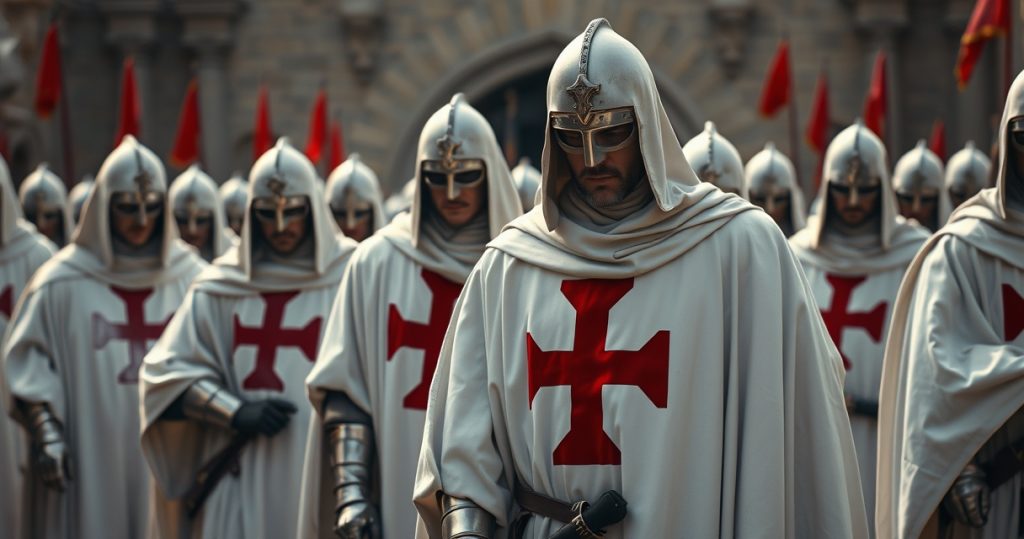
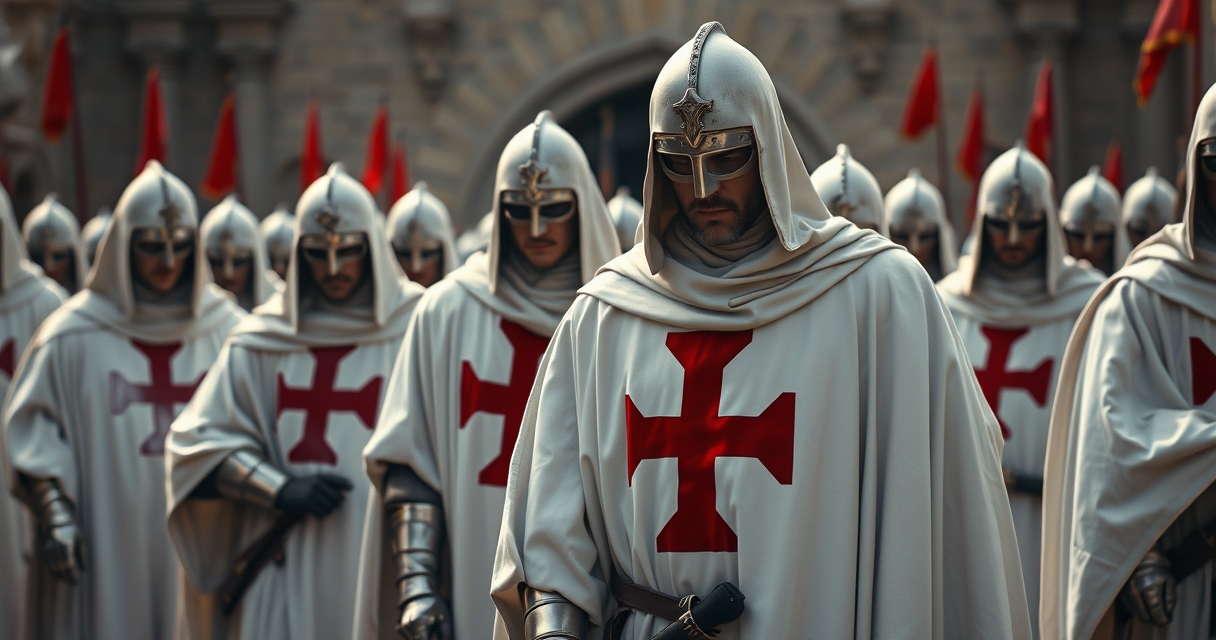
The image of the Knights Templar is often dominated by their white mantles adorned with the red cross, symbolizing a martial prowess that shook the foundations of the medieval world. Yet, the true power of the Order extended far beyond their skill with a sword or their strength on horseback. The enduring legacy of the Templars lies in a sophisticated and demanding moral code that governed every aspect of their daily existence. This ethical framework transformed a disparate group of knights into a monastic machine capable of operating across Europe and the Holy Land. To understand the Templars is to recognize that they were not merely soldiers, but monks bound by a vow of absolute discipline, a fact that separates them from the secular knights of their era. Their rules were designed to strip away individual ego in service of a higher collective purpose, creating a brotherhood that prioritized spiritual over material wealth.
The Trifold Vow of Poverty, Chastity, and Obedience
The foundation of the Templar moral code rested upon the three classic monastic vows: poverty, chastity, and obedience. While these vows were standard for religious orders, the Templars interpreted them through the lens of military service. The vow of poverty was particularly distinct. A knight joining the Order was required to transfer all his personal assets and lands to the collective treasury. This was not a symbolic gesture. By relinquishing personal wealth, the individual knight removed himself from the economic rivalries that plagued secular nobility. The Templar became a servant of the Order rather than a proprietor of estates. This collective pooling of resources allowed the organization to fund massive building projects, maintain armies, and create the first international banking network in Europe. The knight owned nothing, yet the Order possessed everything.
Chastity was strictly enforced to ensure the focus of the brothers remained entirely on their spiritual and military duties. The Rule explicitly prohibited the brothers from kissing women, even close relatives, upon entering or leaving a house. This restriction was intended to prevent emotional entanglements that could compromise judgment or loyalty. Obedience, perhaps the most critical component for a military force, demanded instant execution of the Commander’s orders without hesitation or debate. In the chaos of battle, there was no room for democratic deliberation. The Grand Master held absolute authority, and the hierarchy was respected as the chain of command that held the entire structure together. This rigid adherence to obedience allowed the Templars to maneuver with a precision that terrified their enemies.
The Primitive Rule and the Expansion of Law
The original code of the Knights Templar was codified in the Latin Rule, also known as the Primitive Rule, drafted at the Council of Troyes in 1129. Initially, this code contained seventy-two clauses that outlined the behavior expected of the brothers. These rules covered everything from dietary restrictions to the treatment of horses. For instance, the knights were to eat in silence while a scripture was read, reinforcing the connection between physical nourishment and spiritual edification. As the Order grew in size and complexity, these seventy-two tenets proved insufficient for managing a multinational organization. By the mid-thirteenth century, the Rule had expanded to contain over seven hundred specific regulations governing the minutiae of daily life.
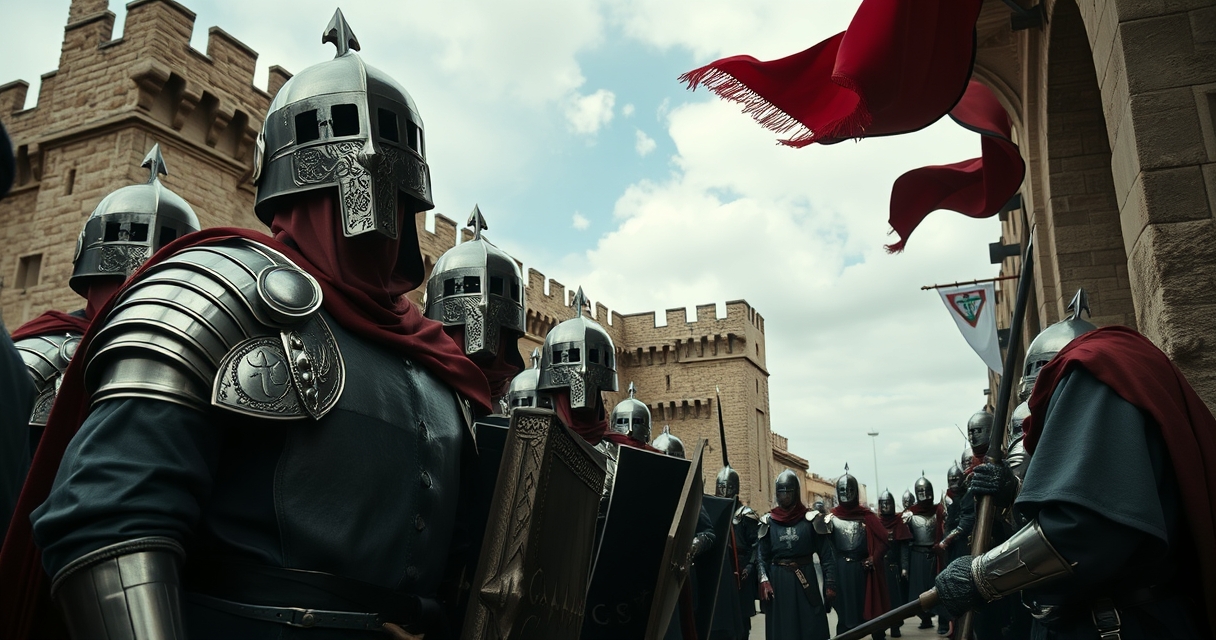
This expansion from a simple code to a massive body of law illustrates the administrative sophistication of the Templars. The rules were not just about punishment, they were a manual for living a holy life in a violent world. They dictated how a brother should dress, how he should sleep, and even how he should look at a woman. The evolution of the Rule demonstrates the Order’s commitment to order and structure. It transformed a loose band of warriors into a highly regulated corporate entity. This legalistic approach to morality ensured that whether a Templar was in London, Jerusalem, or Cyprus, his behavior and expectations remained consistent.
Spiritual Allegiance and the Defense of the Faith
At the core of the Templar identity was an unwavering commitment to the Holy Christian Faith. The moral code explicitly stated that a knight must love, honor, and fear God, walking after His commandments. This was not a passive spirituality. The Knights Templar saw their mission as fulfilling the Purpose of the Knights Templar by acting as divine instruments on earth. Their primary function was the defense of the faith, which they interpreted physically through the protection of pilgrims and the defense of the Crusader states. This spiritual mandate provided the moral justification for their existence. It elevated their martial endeavors from mere violence to acts of piety.
This allegiance required a constant state of spiritual preparedness. The code demanded that the knights maintain the dignity of the Order at all times. A Templar who acted dishonorably brought shame not just upon himself, but upon the entire brotherhood and the faith they represented. Consequently, the rules enforced a high standard of public behavior. They were to be the embodiment of Christian virtue, visible to the secular world as a model of how a nobleman should conduct himself. This integration of religious devotion with martial duty created a unique class of warrior-monks who fought with a fervor derived from their belief in divine salvation.
The Economics of Honor Over Wealth
One of the most striking aspects of the Templar moral code was the command to prefer honor to wealth. While the Order as a whole became incredibly wealthy, the individual knight was forbidden from engaging in trade or seeking personal profit. This prohibition against “debasement” meant that a Templar should not concern himself with the vulgar details of commerce or the accumulation of personal luxuries. The code instructed the brothers to eschew all debasing employment, recreation, and company. This kept the knight focused on his higher duties and prevented the corruption that often followed excessive wealth.

I’ve always been fascinated by how societies and organizations shape history and everyday life. Writing about the interplay between cultural movements and institutional structures lets me explore the stories that connect past and present. I love digging into archives and sharing insights that help readers understand our collective journey.