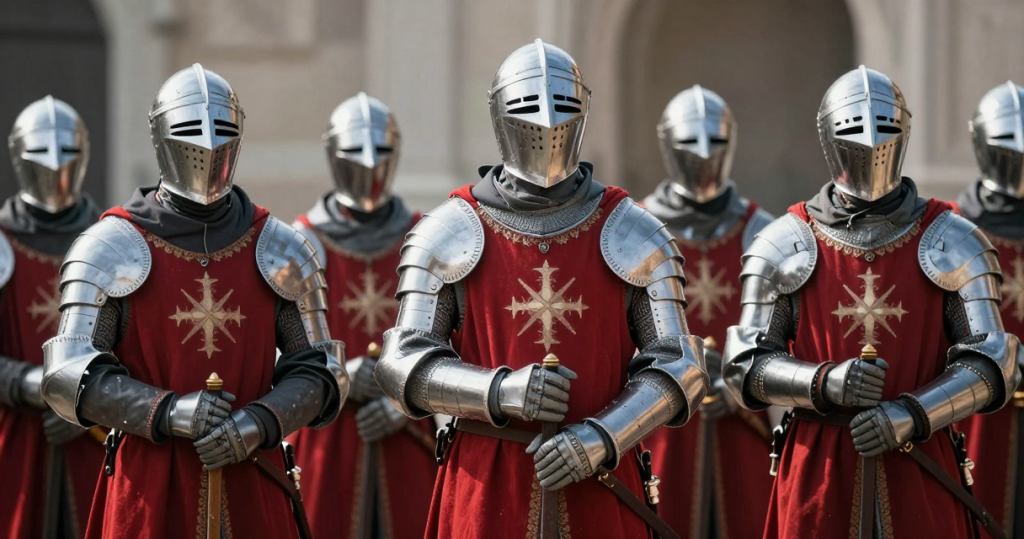
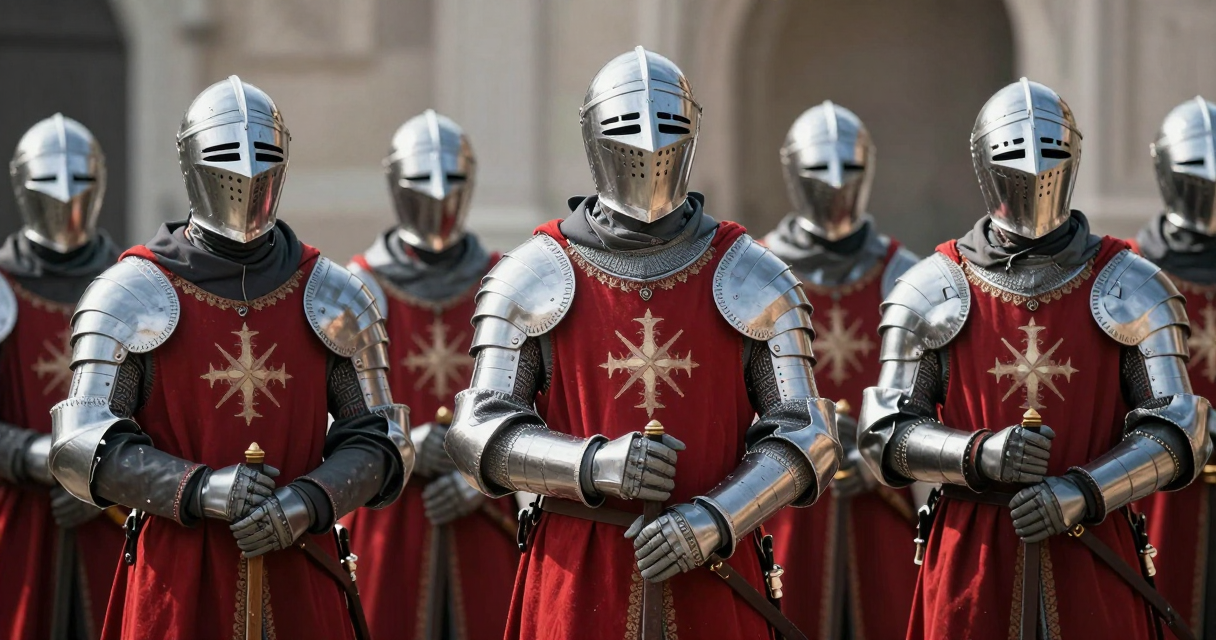
The Knights Templar, a medieval military order founded in the early 12th century, became renowned for their discipline and strict adherence to a code of conduct. This code was crucial not only for maintaining order within the ranks but also for upholding the reputation of the order during the tumultuous times of the Crusades. The Templars were not just warriors; they were also monastic figures, and their lifestyle demanded a high level of self-discipline and moral rectitude. In this article, we will explore the various aspects of Knights Templar discipline, including their code of conduct, methods of punishment, and the implications of discipline on their operations and legacy.
The Code of Conduct of the Knights Templar
The Knights Templar operated under a detailed code of conduct that encompassed both religious and military principles. This code was largely influenced by the Rule of St. Benedict, which emphasized obedience, humility, and chastity. Templars were expected to live a life of poverty and to renounce personal wealth, thus aligning their lives with the ideals of Christianity. Their daily activities were structured around prayer, military training, and the management of their extensive estates across Europe and the Holy Land.
In addition to spiritual obligations, the Templar code mandated strict discipline in military conduct. Templars were trained to be fearless in battle, demonstrating loyalty and courage. They were required to follow orders without question, and any deviation from this could lead to severe consequences. The emphasis on discipline was not solely about maintaining order; it was also about fostering a sense of unity and purpose among the knights, which was essential for their survival and effectiveness in combat.
Disciplinary Measures Within the Order
To enforce their code of conduct, the Knights Templar employed a variety of disciplinary measures. These could range from verbal reprimands to more severe forms of punishment, depending on the gravity of the offense. Minor infractions, such as tardiness to prayer or neglecting duties, might result in a warning or a period of penance. However, more serious violations, such as theft or cowardice in battle, were met with harsher penalties.
The Templars also maintained a hierarchical structure, which meant that higher-ranking members had the authority to impose discipline on lower-ranking knights. This system ensured that the values of the order were upheld at all levels, reinforcing the importance of obedience and loyalty. The presence of a strict disciplinary framework ultimately contributed to the Templars’ effectiveness as a military force, as it fostered a culture of accountability and commitment among its members.
Types of Punishments Imposed by the Templars
The types of punishments imposed by the Knights Templar varied significantly based on the nature of the offense. For minor infractions, a knight might be subjected to a period of fasting or a temporary reduction in rank. This type of punishment served as a reminder of the importance of their spiritual and military duties. In more severe cases, such as acts of treason or significant breaches of conduct, the punishments could be extreme, including expulsion from the order or even execution in rare instances.
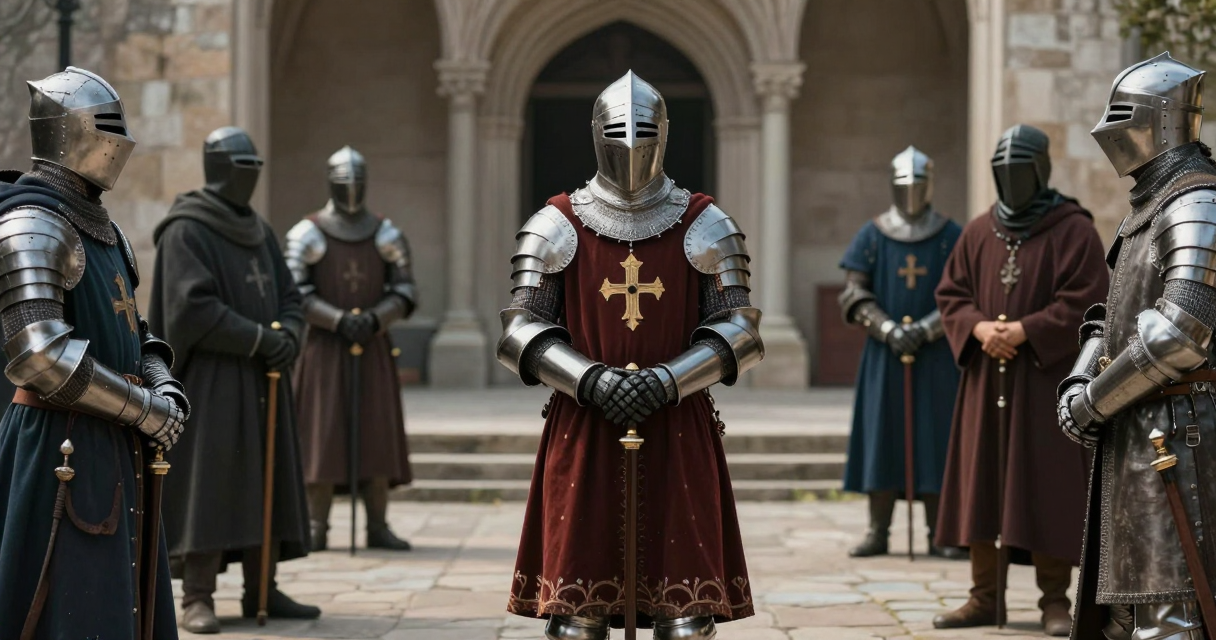
Interestingly, the Templars often sought to maintain a degree of fairness in their disciplinary practices. They would conduct inquiries into serious offenses, allowing the accused to defend themselves before a council of higher-ranking knights. This approach not only ensured that justice was served but also reinforced the order’s commitment to upholding its values and maintaining integrity within its ranks. The dual nature of their punishment system, balancing strict discipline with the principles of justice, was a defining characteristic of the Knights Templar.
Impact of Discipline on Templar Operations
The strict discipline within the Knights Templar had profound implications for their operations during the Crusades. Their ability to maintain order and cohesion in the face of adversity was a significant factor in their success on the battlefield. The Templars were often at the forefront of military engagements, and their disciplined approach allowed them to execute complex strategies that required precision and teamwork.
Moreover, the emphasis on discipline extended beyond the battlefield. In their roles as landowners and managers of wealth, Templar discipline ensured that their estates were run efficiently. This was crucial for maintaining the financial support necessary for their military campaigns. The Templars’ reputation for discipline attracted many recruits and supporters, further bolstering their influence and resources in the medieval world.
Comparative Analysis of Templar Discipline and Modern Military Practices
When comparing the discipline of the Knights Templar to modern military practices, several parallels emerge. Like contemporary military organizations, the Templars emphasized the importance of hierarchy, training, and adherence to a code of conduct. Modern militaries also employ disciplinary measures to maintain order and effectiveness among their ranks, often utilizing a structured system of consequences for various infractions.
However, there are notable differences as well. Modern militaries typically have established legal frameworks and protections for service members, whereas the Templars operated under a more rigid and often brutal system of discipline. The Templars’ focus on religious devotion added an additional layer to their code, intertwining spiritual and military obligations in a way that is less common in contemporary armed forces. This unique blend of faith and discipline was central to the Templars’ identity and mission.
Legacy of Templar Discipline and Punishments
The legacy of the Knights Templar’s discipline and punishment practices continues to resonate in historical discourse. The Templars are often depicted in literature and media as paragons of chivalry, loyalty, and martial prowess, largely due to their strict adherence to their code of conduct. Their reputation as disciplined warriors has contributed to a romanticized view of the order, influencing countless portrayals in popular culture.
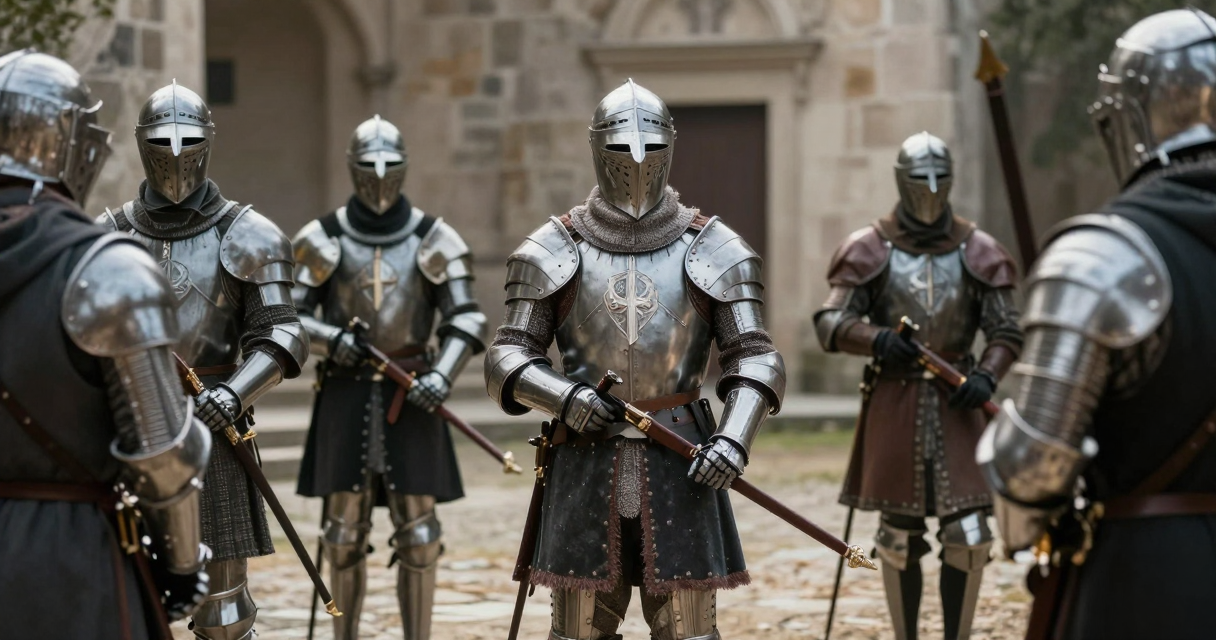
Moreover, the historical treatment of Templar discipline has sparked interest in the evolution of military ethics and conduct. Scholars often analyze how the Templars’ approach to discipline reflects broader societal values of the medieval period, such as the intertwining of religion and warfare. This exploration provides valuable insights into how organizations can balance authority, accountability, and ethical conduct, lessons that remain relevant today.
Conclusion: The Enduring Influence of Templar Discipline
The Knights Templar’s approach to discipline and punishment was integral to their identity and success as a military order. Their rigorous code of conduct not only shaped their operations during the Crusades but also left a lasting impact on military practices and ethics throughout history. The balance they struck between strict discipline and justice has continued to influence how organizations manage conduct and accountability, making the study of Templar discipline a fascinating area of exploration for historians and military scholars alike.

I’ve always been fascinated by how societies and organizations shape history and everyday life. Writing about the interplay between cultural movements and institutional structures lets me explore the stories that connect past and present. I love digging into archives and sharing insights that help readers understand our collective journey.