Physical training and combat readiness were also key components of the Templars’ daily routine. Knights spent significant time honing their martial skills, practicing weapons handling, horseback riding, and tactical drills. These sessions ensured they remained always prepared for battle, consistent with their role as warrior monks.
Prayer punctuated their day, with regular services including Sext and Vespers. The rhythm of prayer and work reinforced their spiritual discipline and communal bonds. Evening prayers marked the close of the day, followed by a communal meal and time for rest, completing the cycle of monastic activities that structured their lives.
Legacy and Influence of the Knights Templar
The Knights Templar have left an indelible mark on history, culture, and modern perceptions worldwide, creating a legacy that continues to captivate people centuries after their dissolution. Their historical influence extends beyond their original role as a religious military order during the Crusades, permeating realms of art, literature, and popular imagination. The Templar legacy is deeply etched into the fabric of medieval history, symbolizing chivalry, mystery, and spiritual dedication.
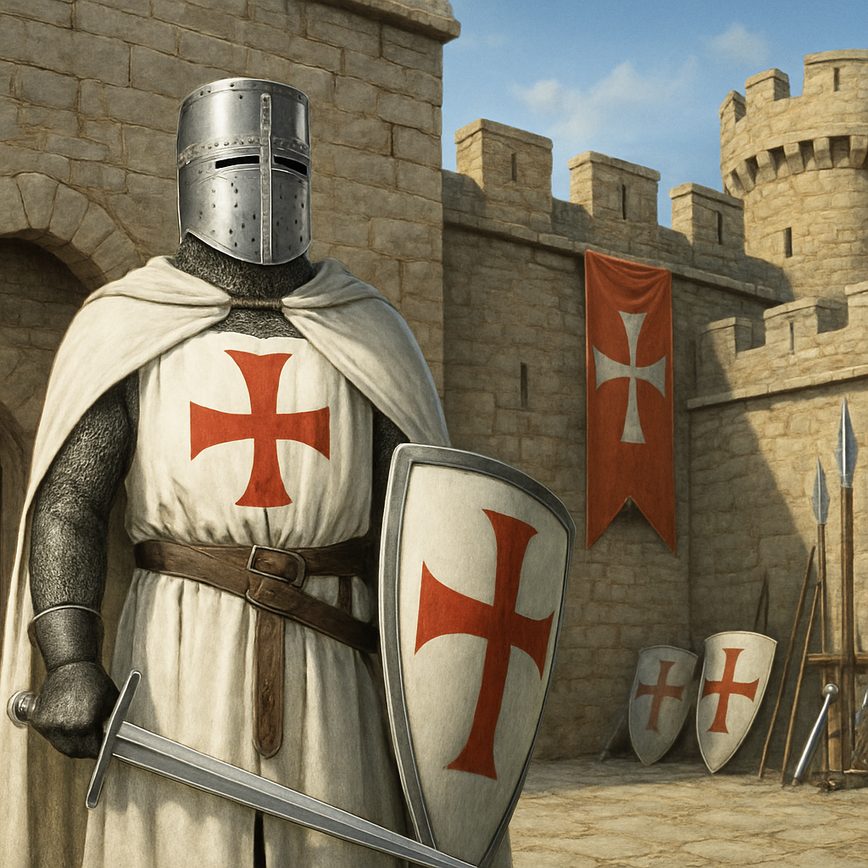
Historically, the Knights Templar were pioneers of financial innovation, establishing some of the earliest forms of banking and credit systems, which significantly impacted the economic landscape of medieval Europe. Their organizational prowess and architectural achievements, such as imposing fortresses and churches, have left lasting physical and cultural landmarks. The order’s disciplined structure and distinct white mantles emblazoned with a red cross became iconic symbols that resonate with historical enthusiasts and scholars alike.
Culturally, the Templar legacy has inspired countless works of fiction, from novels and films to video games, reinforcing their mystique and allure. Their association with secret knowledge, hidden treasures, and esoteric traditions has fueled theories and legends that blend history with myth. This blend of fact and fiction contributes to the complex modern perception of the Templars, often portrayed as guardians of secret wisdom and powerful spiritual secrets.
In contemporary society, the Knights Templar continue to symbolize ideals of honor, bravery, and religious devotion. Various organizations claim descent or inspiration from the Templar tradition, keeping the legacy alive in modern chivalric orders and cultural heritage groups. The fascination with the Templars also reflects broader human curiosity about the mysteries of history and the enduring quest for meaning in the past.
Overall, the influence of the Knights Templar spans historical, cultural, and symbolic dimensions, making their legacy an enduring element of global heritage. Through their contributions to medieval society and their persistent presence in modern imagination, the Templars remain a subject of fascination and study, illustrating the powerful impact of their order on the world’s historical and cultural consciousness.
Cultural and Historical Impact
The Knights Templar left an indelible mark on medieval society, profoundly shaping the cultural and historical landscape of their time and beyond. Their cultural impact is evident in the various roles they played—not only as warriors and protectors of pilgrims but also as pioneers in banking, architecture, and diplomacy. By establishing an extensive network of fortifications and safe havens, the Templars influenced the medieval world’s military strategies and transportation routes, facilitating safer pilgrimages and commerce across Europe and the Holy Land.
Historically, the significance of the Knights Templar extends far past their military prowess. They symbolized a melding of monastic discipline with martial valor, embodying the complex nature of medieval knighthood and religious fervor. Their rise and dramatic downfall have deeply influenced historical narratives, inspiring countless myths, legends, and scholarly debates. The mystique surrounding their order continues to captivate the imagination and invites reinterpretation of medieval influence in modern culture, literature, and even conspiracy theories.
Moreover, the Knights Templar’s medieval influence is seen in their contributions to early financial systems, including the development of letters of credit which prefigured modern banking practices. Their historical significance also lies in their role as a transnational religious and military entity, affecting political dynamics between Christian and Muslim powers. Thus, the cultural impact and historical significance of the knights endures as a testament to their multifaceted role in shaping both the medieval epoch and its legacy.
Knights Templar in Modern Popular Culture
The Knights Templar have long fascinated audiences, becoming a staple in popular culture that spans books, movies, and various forms of modern media. Their mystique as a powerful and secretive medieval order has fueled countless Templar myths, often blending historical facts with imaginative fiction. Contemporary portrayals frequently emphasize elements like hidden treasures, secret societies, and enigmatic rituals, captivating audiences with stories that blur the line between legend and reality.
In books, the Knights Templar appear as central figures in numerous thrillers and historical novels, where authors weave intricate plots involving conspiracies and lost knowledge. These narratives often build on the idea of the Templars as guardians of profound secrets, a theme that resonates deeply in popular culture. Similarly, in movies, the Templars are portrayed as either noble warriors or shadowy conspirators, their image shaped by the dramatic tension of good versus evil and the allure of ancient mysteries.
Modern media continues to explore and expand Templar myths through documentaries, video games, and television series, each medium contributing to the evolving cultural footprint of the Knights Templar. Whether in high-budget productions or independent works, the Templars symbolize timeless themes of faith, power, and secrecy. This ongoing fascination highlights how the legacy of the Knights Templar endures, Adapted and reinterpreted to suit contemporary tastes, their story remains a vital part of popular culture’s imaginative landscape.
Origins and History of the Knights Templar
The Knights Templar, renowned for their distinctive white mantles adorned with a red cross, were founded in the early 12th century during the height of the Crusades. Their origins trace back to 1119 when a group of nine knights, led by Hugues de Payens, established a monastic military order with the primary goal of protecting Christian pilgrims traveling to the Holy Land. This marked the beginning of a remarkable chapter in Crusades history, as the Templar origins are deeply intertwined with the religious and military fervor of the era.
Officially endorsed by the Catholic Church in 1129 at the Council of Troyes, the Knights Templar rapidly gained prominence and support across Europe. The order adopted a strict code of conduct modeled after monastic vows, combining missionary zeal with martial discipline. Their rapid rise was fueled by the wealth and land grants bestowed upon them by European nobility, which enabled them to build an extensive network of fortifications and commanderies throughout the Crusader states and beyond.
During the Crusades, the Knights Templar played a crucial role both on and off the battlefield. They were elite warriors, participating in key battles such as the Siege of Jerusalem in 1099 and the battles leading to the formation of the Latin Kingdom of Jerusalem. Beyond their military exploits, the Templars became financial pioneers of their time, providing banking services and safeguarding pilgrims’ wealth, which was revolutionary in an age marked by conflict and instability.
The order’s history is also marked by notable events such as their involvement in the defense of the Crusader states, the loss of Acre in 1291 which marked a significant turning point, and their eventual suppression in the early 14th century under accusations of heresy and political intrigue orchestrated by King Philip IV of France. Despite their dramatic fall, the legacy of the Knights Templar endures, symbolizing the fusion of monastic devotion and military prowess during one of the most tumultuous periods in medieval history.
Founding and Mission
The founding of the Knights Templar was deeply rooted in the turbulent period of the Middle Ages. Established around 1119, shortly after the First Crusade, the order was created by a group of knights led by Hugh de Payens. Their primary goal was to protect Christian pilgrims traveling to the Holy Land, which had become a dangerous journey due to ongoing conflicts and instability. This initial purpose marked the beginning of their lasting legacy in medieval history.
The Knights Templar mission was unique compared to other military groups of the time. Rather than functioning solely as warriors, they adopted a monastic lifestyle, blending religious dedication with martial discipline. They took vows of poverty, chastity, and obedience, which reflected their commitment to both God and the protection of pilgrims. This fusion of martial prowess and spiritual devotion distinguished the order and contributed to its growing influence across Europe and the Crusader states.
The early history of the Knights Templar is marked by rapid growth and increasing responsibilities. Thanks to their disciplined approach and the endorsement of the Catholic Church, particularly by figures such as Pope Innocent II, the order received privileges and wealth. Their founding mission extended into broader military and financial roles, becoming key players in medieval politics and economics. Ultimately, the Knights Templar became a symbol of chivalry, faith, and strategic power during the Middle Ages.
Military Role in the Crusades
The Knights Templar, a prominent military order, played a crucial role in the Crusades, serving as both fierce warriors and strategic defenders of Christian territories in the Holy Land. Founded in the early 12th century, the order combined monastic discipline with formidable military prowess, enabling them to undertake complex military campaigns and defend key fortifications.
Throughout the Crusades, the Knights Templar were engaged in numerous battles, often acting as the vanguard of Crusader armies. Their involvement began with the First Crusade, but it was during subsequent Crusades that their military role became more pronounced. They were renowned for their discipline, rigorous training, and the distinctive white mantles adorned with a red cross, symbolizing their vow and mission.
Some of the key Knights Templar battles include the Siege of Jerusalem (1099), where they helped secure the city for the Crusaders, and the Battle of Hattin in 1187, a pivotal conflict that exposed the vulnerabilities of Crusader forces but underscored the strategic importance of the Templars in warfare. Despite the defeat at Hattin, the Templars quickly regrouped and participated in the defense of the Kingdom of Jerusalem and other Crusader states.
The Knights Templar also excelled in protecting pilgrims traveling to the Holy Land, securing vital supply routes, and manning frontier castles. Their military expertise was critical in battles such as the Siege of Acre (1291), their final stand in the Crusades. Their legacy as a military order is deeply intertwined with the military campaigns and battles of the Crusades, reflecting their vital role as warrior monks committed to both faith and fight.
Monastic Life within the Knights Templar
The monastic life of the Knights Templar was a unique blend of religious devotion, strict discipline, and martial readiness, deeply rooted in the rules established by the Order. Unlike typical monastic communities, the Knights Templar combined their spiritual obligations with the responsibilities of a military order, reflecting their dual role as monks and warriors. At the core of their daily existence were the Knights Templar rules, which dictated every aspect of their behavior, emphasizing simplicity, obedience, and piety in equal measure.
On the Vox Resurrequistae channel, they cover the daily routine of the Templars, and you can watch it right here.
Adhering closely to religious practices was fundamental to the monastic life within the Knights Templar. The day was structured around the canonical hours, with prayers marking specific times such as Matins, Lauds, Prime, Terce, Sext, None, Vespers, and Compline. These prayers were conducted communally in the chapel, reflecting the Templars’ commitment to spiritual discipline and their devotion to God. Participation in the Mass and receiving the Eucharist were central to their religious observances, reinforcing their religious vocation.
In addition to prayer, the Knights Templar followed a rigorous schedule of fasting, silence, and penance, all of which were essential aspects of their monastic discipline. Silence in particular was observed during meals and certain parts of the day, fostering an atmosphere of contemplation and focus on spiritual matters. Their diet was simple and austere, commonly consisting of bread, vegetables, and occasionally fish, in accordance with monastic traditions of humility and restraint.
The Knights Templar rules also prescribed communal living, with members sharing meals and sleeping quarters, which fostered a strong sense of brotherhood and unity within the Order. Personal possessions were minimal, as all property was held in common, underscoring their commitment to poverty and equality. Daily chores and duties were divided among the brothers, combining manual labor with their spiritual and military activities.
Despite their warrior role, the Knights Templar valued education and spiritual growth. They often engaged in scriptural study and were encouraged to meditate on religious texts. This intellectual and spiritual cultivation was seen as vital to maintaining their focus and resolve in both the cloister and on the battlefield.
Thus, the monastic life within the Knights Templar was characterized by a rigorous routine of religious practices and adherence to their distinctive rules, balancing the demands of faith and warfare. This disciplined lifestyle not only reinforced their identity as a religious order but also prepared them to fulfill their unique mission as warrior monks dedicated to protecting Christendom.
Rules and Spiritual Discipline
The Knights Templar adhered to a strict code of conduct that was deeply intertwined with their spiritual discipline and monastic code. This code governed every aspect of their lives, from their daily routines to their interactions and vows. Central to their way of life was the observance of vows of poverty, chastity, and obedience, reflecting their commitment to live as monastic warriors rather than typical knights.
The templar rules were designed to cultivate a sense of humility, self-control, and unwavering loyalty both to their order and to God. Each knight was expected to follow a regimented schedule of prayers, meditation, and communal worship, maintaining a close connection with spiritual practice throughout their day. The monastic code required absolute dedication to prayer and manual labor, underscoring spiritual discipline as the foundation of their mission.
In addition to their vows, the Knights Templar lived under strict communal regulations, which dictated their dress, diet, and conduct in battle and peace. This disciplined lifestyle was essential to uphold the integrity and reputation of the order, ensuring that each member remained focused on their sacred duties. The templar rules also emphasized charity and service, reinforcing the blend of faith and knighthood that defined their existence.
Ultimately, the spiritual discipline and monastic code that structured the Knights Templar’s lives allowed them to maintain a unique identity among medieval military orders—one rooted in piety, courage, and an unwavering commitment to their faith and brotherhood.
Daily Routine and Activities
The daily routine of the Knights Templar was a disciplined blend of monastic activities, military training, and religious devotion. Their typical day began before dawn with the first prayer, Matins, reflecting their deep commitment to spiritual life. This early morning prayer was followed by a structured schedule that balanced both contemplation and practical duties.
Throughout the day, the Templar schedules were carefully designed to integrate work, study, and physical training. After morning prayers, the knights engaged in various forms of manual labor or administrative tasks necessary for maintaining their strongholds and supporting their mission. This work was seen as an important act of humility and service, vital to the monastic lifestyle they led.

I’ve always been fascinated by how societies and organizations shape history and everyday life. Writing about the interplay between cultural movements and institutional structures lets me explore the stories that connect past and present. I love digging into archives and sharing insights that help readers understand our collective journey.