Introduction to the Templar Vows
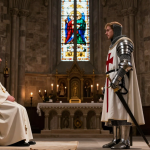
The Templar vows represent a cornerstone of the spiritual and disciplinary framework that defined the Knights Templar, one of the most renowned medieval military orders. Originating in the early 12th century, these vows were inspired by the monastic traditions of the Christian Church and adapted to the unique context of a religious-military order. At their core, the Templar vows were deeply entwined with religious commitment, emphasizing the knights’ devotion not only to their monastic life but also to their military and protective duties throughout the Holy Land.
The origin of the Templar vows can be traced back to the foundation of the order around 1119-1120, when a small group of knights dedicated themselves to serving pilgrims and defending Christian territories. The vows taken by these early members mirrored traditional monastic oaths but were distinctly shaped by the martial and sacrificial nature of the Templar mission. This blend of religious and militant ethos made the knights’ vows unique within the spectrum of medieval oaths. The most recognized of these vows included poverty, chastity, and obedience, principles that ensured the knights’ complete dedication to their collective cause, free from worldly distractions and personal interests.
Moreover, these medieval oaths were more than ceremonial promises; they imposed a rigorous lifestyle and discipline. By swearing the Templar vows, knights committed themselves to a life of strict adherence to the order’s rules, which governed everything from daily conduct to participation in battles. The vows symbolized a sacred covenant between each knight and God, reinforcing a profound spiritual commitment that transcended ordinary secular or military allegiances. This divine allegiance was a defining feature of the Knights Templar, distinguishing them from other chivalric orders and cementing their place in medieval history.
In summary, the Templar vows were essential in shaping the identity and operation of the Knights Templar. These knights’ vows established a framework of religious commitment and discipline that guided their actions and fostered an unwavering dedication to their mission. Through these vows, the Templars were bound by a sacred code that combined faith, duty, and sacrifice, reflecting the complex blend of spiritual and martial elements that characterized their order throughout the medieval period.
The Three Primary Vows
The primary Templar vows were the solemn commitments that defined the spiritual and communal life of the Knights Templar. These vows—poverty, chastity, and obedience—were not just symbolic but formed the foundation of their discipline and way of life. Each knight pledged to uphold these vows throughout their service, embodying the order’s dedication to spiritual purity and military rigor.
The poverty vow required Templar knights to renounce personal wealth and possessions. This vow was fundamental in ensuring the knights’ focus remained on their mission rather than material gain. By living austerely and owning nothing individually, they emphasized communal living and reliance on the order’s collective resources. This vow reinforced humility and detachment from worldly distractions.
The chastity vow demanded complete celibacy and the dedication of the knights’ lives solely to God and the order. This commitment was meant to preserve spiritual integrity and concentrate the knights’ energies on their sacred duties. Abstaining from marriage and any form of sexual relationship was seen as essential for maintaining purity and discipline within the ranks.
Finally, the obedience vow required absolute submission to the order’s rules and superiors. Through this vow, knights demonstrated their willingness to follow commands and live under strict military and religious laws, ensuring unity and order within the group. This pledge was crucial for the functioning and cohesion of the Templar brotherhood.
Together, these primary Templar vows shaped not only the individual character of each knight but also the collective identity of the order, fostering resilience, devotion, and a singular sense of purpose.
Spiritual and Military Discipline
The Templar vows were fundamental in shaping both the spiritual discipline and military discipline of the order, weaving a strict code of conduct that members adhered to rigorously. These vows—to live chastely, to follow a life of poverty, and to obey the order’s rules—served as the foundation for their religious life, ensuring that every Knight Templar maintained a deep spiritual commitment and moral integrity. This spiritual discipline was essential in cultivating a community dedicated not only to warfare but also to prayer and devotion.
In terms of military discipline, the vows directly influenced the Templar rules that governed behavior in battle and within the ranks. The order’s code of conduct demanded absolute obedience to superiors and strict adherence to strategy, promoting unity and effectiveness in their campaigns. This rigorous military discipline ensured that the Templars operated not as disorganized mercenaries, but as a formidable, disciplined brotherhood committed to protecting pilgrims and defending Christian territories.
Thus, the interplay between spiritual and military discipline reinforced the unique identity of the Templars. Their commitment to the spiritual virtues guided their conduct on and off the battlefield, while their strict military code maintained order and strength. The Templar rules were not merely regulations but a comprehensive framework fostering a disciplined life, melding faith and warfare into one unified mission.
Rules and Daily Life Discipline
The Templar Order was renowned for its strict adherence to rules and daily discipline, which formed the backbone of their monastic life. The regimented routine was designed to enforce both spiritual devotion and military efficiency, ensuring that every member lived according to the values and expectations of the Order. These daily disciplines were not only a reflection of their religious commitment but also a practical framework to maintain order and unity among the knights.
At the heart of the Templar rules was a structured daily routine that balanced prayer, work, and study. Like many monastic communities of the time, the Templars followed the canonical hours, marked by specific times for prayer throughout the day and night. These periods of routine and prayer instilled a rhythm of constant spiritual mindfulness, reinforcing their vow of obedience and dedication to God. This disciplined approach to time management was crucial in fostering a sense of collective identity and purpose within the Order.
Every Templar was expected to live according to the principles set forth in their rule, which emphasized humility, silence, and obedience. Silence during certain parts of the day was maintained to encourage contemplation and focus, reducing distractions and promoting a calm, meditative environment. The strict observance of the monastic life, with its emphasis on communal meals, shared duties, and careful attention to conduct, ensured that the knights remained united in their spiritual and martial goals.
The Templar rules also dictated practical aspects of daily life, from the cleanliness of quarters to the manner in which knights wore their habits. Such discipline fostered a sense of order that was essential in a military-religious order tasked with protecting pilgrims and fighting in the Crusades. Whether on the battlefield or within the confines of their commanderies, the Templars’ rigorous daily discipline helped maintain their reputation as one of the most formidable and respected knightly orders of the medieval period.
In essence, the Templars’ strict adherence to their daily discipline and monastic rules was fundamental to their success and longevity. Their structured routine balanced spiritual devotion with practical duties, forging a life that was both ascetic and active. This notable blend of routine and prayer shaped not only their individual lives but also the collective legacy of the Templar Order itself.
Monastic Routine and Prayers
The Templar knights adhered strictly to a monastic routine that structured their days around daily prayers and faith practices. Their spiritual discipline mirrored that of traditional monastic orders, with a regimented schedule designed to foster deep religious commitment and communal unity. Each day was punctuated by canonical hours, a series of prayer times that guided the Templars from dawn to nightfall.
Beginning with Matins before dawn, the knights engaged in silent reflection and scripture reading, setting a tone of devotion for the day. Lauds followed at sunrise, chanting praises to prepare the soul for the tasks ahead. Mid-morning saw Terce, a brief prayer invoking the Holy Spirit, while Sext and None marked midday and mid-afternoon moments to pause and reaffirm their faith amidst their duties.
Evening prayers, Vespers and Compline, concluded the day’s spiritual regimen. Vespers involved psalms and hymns, fostering communal worship and meditation, whereas Compline was a quiet reflection before retiring to rest. This medieval prayer schedule was crucial not only for maintaining spiritual discipline but also for enhancing the knights’ mental resilience and moral focus.
Beyond prayers, the monastic routine included ritualistic practices such as fasting, confession, and periods of silence. These faith practices cultivated humility, obedience, and a profound sense of purpose, reinforcing the Templars’ dedication to their sacred vows and their mission in the Holy Land.
Military Training and Conduct
The rigorous military training of Templar knights was foundational to their effectiveness in battle and daily camp life. From the moment a squire joined the order, he was immersed in intense physical conditioning, weapons mastery, and horsemanship, preparing him to meet the demands of Templar warfare. This preparation was not solely about physical prowess; it also demanded mental discipline and a steadfast commitment to the order’s codes. Knights were trained to maintain strict combat discipline, ensuring cohesion and strategic execution during engagements.
Knightly conduct was governed by a strict set of rules emphasizing honor, loyalty, and restraint. Even amidst the chaos of war, Templars adhered to these codes, which dictated their behavior both in combat and within the camp. This discipline fostered a unique brotherhood built on mutual respect and shared purpose. The combination of military training and ethical codes set the Templar knights apart, making them formidable not only for their martial skills but also for their unwavering conduct in the heat of battle and the quieter moments between campaigns.
This balance of rigorous training and strict conduct ensured that every Templar was more than just a warrior; they were an embodiment of the order’s ideals, disciplined and ready to face the brutal realities of Templar warfare with both strength and honor.
Legacy of the Templar Vows and Discipline
The Templar legacy is deeply rooted in the strict vows and rigorous discipline that defined the Order of the Knights Templar. These vows—of poverty, chastity, and obedience—along with their disciplined way of life, forged a powerful model for knightly conduct that resonated throughout medieval chivalric orders and continues to influence modern organizations. The Templars’ commitment to these principles established a code of honor and an enduring framework for what it meant to be a knight not only on the battlefield but also within society.
During the medieval period, the Templar vows and discipline set a distinct standard that shaped other chivalric orders such as the Knights Hospitaller and the Teutonic Knights. These groups adopted and adapted elements of the Templar code of conduct, recognizing the strength found in devotion, unity, and strict adherence to religious and martial duties. The Templar model emphasized self-sacrifice and an unwavering sense of duty, qualities that enhanced the cohesion and effectiveness of knightly traditions across Europe.
Moreover, the historical impact of the Templar discipline extended beyond their military achievements. The Order’s financial acumen, organizational structure, and a network of commandery houses helped pioneer early models of governance and administration that influenced the development of later medieval institutions. Their disciplined approach to managing resources and personnel inspired subsequent military and religious orders to prioritize order and hierarchy as fundamental to their success.
In the modern era, the influence of the Templar vows and discipline persists in various chivalric and fraternal organizations worldwide. Groups that claim spiritual or historical descent from the Templars often emphasize the same values of honor, loyalty, and ethical conduct. These values continue to inspire ideals of leadership, service, and brotherhood, reinforcing knightly traditions adapted to contemporary social and cultural contexts.
Thus, the legacy of the Templar vows and discipline is a testament to the enduring power of these principles in shaping not only medieval society but also modern frameworks of chivalric identity. From medieval battlefields to modern ceremonial orders, the values embedded in the Templar code have left a lasting imprint on the ethos of knighthood and continue to influence the way chivalric traditions are perceived and practiced today.
Influence on Later Orders
The Templar vows and discipline had a profound influence on the development of later military orders and chivalric orders. As one of the earliest and most organized knightly religious orders, the Knights Templar set a standard in combining monastic rigor with martial prowess. Their strict vow of poverty, chastity, and obedience created a disciplined brotherhood that emphasized loyalty, spiritual devotion, and military effectiveness.
Subsequent military orders, such as the Knights Hospitaller, adopted many principles from the Templars, including similar vows and codes of conduct. The Templar model proved effective in creating a united and disciplined force capable of both defending pilgrims and managing extensive financial networks. Later chivalric orders looked to the Templar example to establish their own rules and organizational structures, recognizing the importance of balanced religious commitment and military discipline.
This Templar influence extended beyond just vows; it shaped the ethos and identity of medieval knighthood, inspiring a fusion of devout monastic life and military duty. By exemplifying a chivalric ideal grounded in spiritual discipline, the Templars set a template that many other military orders emulated. Thus, their legacy remained central in defining what it meant to be part of a religious military order in the centuries that followed.
Cultural and Popular Representations
The Templar vows and discipline have become a rich source of inspiration and intrigue in literature, film, and popular culture, spawning numerous Templar myths and legends. Over the centuries, these strict codes of conduct—once strictly adhered to by the Knights Templar—have been transformed and sometimes exaggerated in modern portrayals, highlighting themes of secrecy, loyalty, and mysticism.
In literature, the Templars are often depicted as shadowy figures bound by an unbreakable code, with their rigorous vows fostering a sense of mystery and heroic sacrifice. Novels and historical fiction frequently weave Templar discipline into narratives filled with covert missions and hidden treasures, reinforcing the allure of their secretive nature. These works contribute to the growing legends surrounding the Order, blending fact and fiction to captivate readers worldwide.
Similarly, in film and television, the Templar vows are portrayed as the foundation of the knights’ indomitable will and unwavering faith. Popular culture frequently uses these elements to dramatize stories of betrayal, valor, and conspiracy. Movies often emphasize the austere lifestyle the knights led, suggesting that their discipline was both their strength and their curse. This cinematic focus on the Templar’s strict regimen helps fuel contemporary fascination with the Order.
Overall, the influence of the Templar vows and discipline permeates popular culture, where the knights embody the eternal struggle between duty and desire, order and chaos. As myths continue to evolve, their legacy sustains a powerful presence in the collective imagination, inspiring new generations through stories that blend history with legend.

I’ve always been fascinated by how societies and organizations shape history and everyday life. Writing about the interplay between cultural movements and institutional structures lets me explore the stories that connect past and present. I love digging into archives and sharing insights that help readers understand our collective journey.