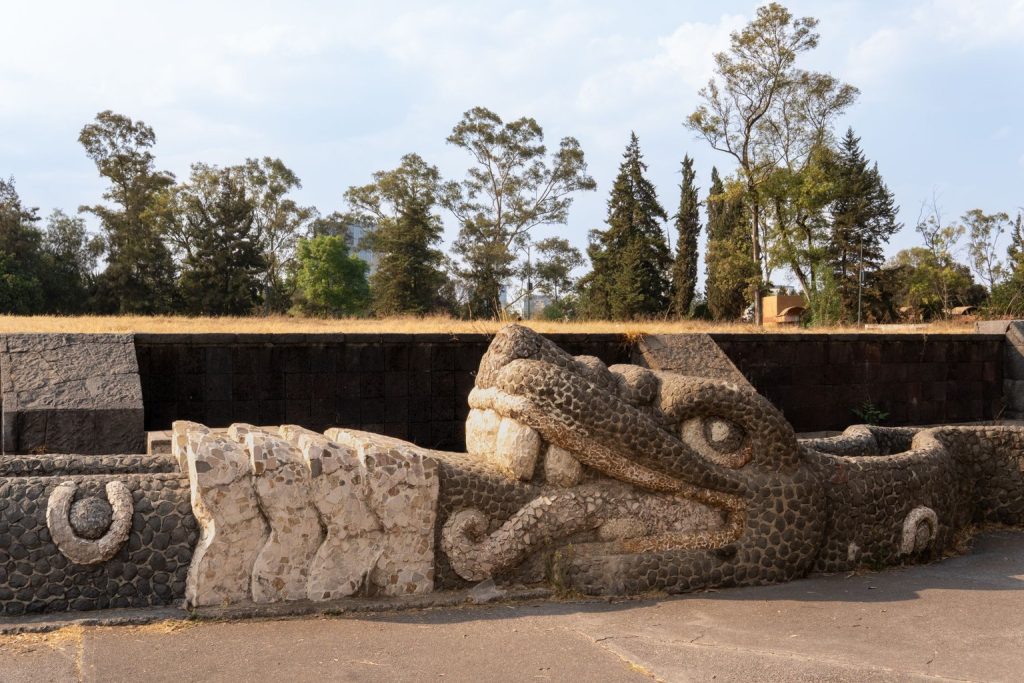
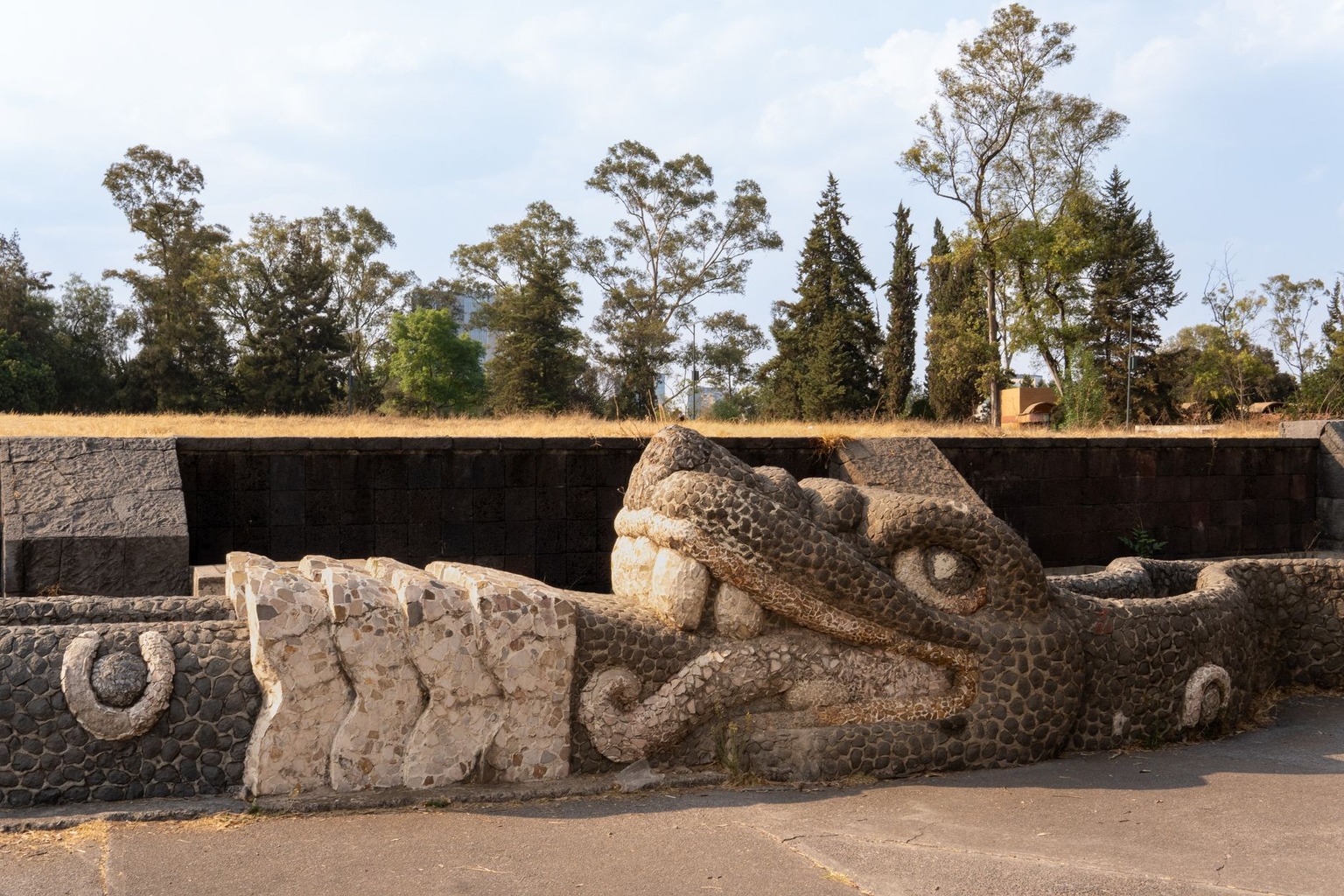
The serpent symbol appears frequently in medieval manuscript margins, church carvings, and the personal seals of high-ranking military orders. For historians and researchers of the Knights Templar, this iconographic element presents a complex puzzle that defies simple binary interpretations of good versus evil. While popular culture often associates serpents with pure malice, the reality of Templar visual language is far more nuanced and layered. Understanding these symbols requires moving beyond sensationalist myths and examining the specific historical, theological, and organizational contexts in which they were created. This article breaks down the various interpretations of the serpent in Templar iconography, offering a curated guide to the most significant scholarly perspectives and their practical implications for understanding the order’s identity.
Evaluating the Sources of Templar Visual Evidence
Before interpreting any specific image, it is essential to establish the provenance and authenticity of the source material. Many images attributed to the Templars circulate online without clear documentation of their origin, leading to significant confusion in public discourse. A reliable primary source must be dated to the period between the order’s founding in 1119 and its dissolution in 1312. This timeframe helps filter out later fabrications or anachronistic additions that do not reflect the actual beliefs or practices of the knights. Researchers must also distinguish between official order symbols and the personal heraldry of individual members, which could vary widely.
The condition and medium of the artifact also play a critical role in its interpretive value. A carved stone lintel from a church in France carries different weight than a later woodcut illustration from a sixteenth-century book. The material culture of the Templars included seals, architectural elements, and limited manuscript production, each with its own conventions. By prioritizing archaeological findings and verified archival documents, historians can build a more accurate picture of what the knights actually depicted. This rigorous approach prevents the contamination of historical analysis with modern occult assumptions that have no basis in medieval reality.
The Theological Context of Serpent Imagery
In Christian theology, the serpent carries a dual meaning that is central to understanding its presence in religious iconography. It represents the original sin of Adam and Eve, serving as a reminder of humanity’s fallen state and the need for redemption. However, it also serves as a counterpoint to the healing staff of Moses, where the bronze serpent on a pole represents salvation and divine power. For medieval monks and knights, this duality was not a contradiction but a theological teaching tool. The serpent symbol in this context highlights the tension between human weakness and divine grace, a theme that resonated deeply with a martial order dedicated to spiritual warfare.
Furthermore, the serpent is often depicted in scenes of the Temptation of Christ, where it takes the form of the devil whispering to Jesus in the desert. This specific narrative connection was popular in Templar art because it emphasized the order’s role in resisting the temptations of the flesh and the world. The knights took vows of poverty, chastity, and obedience, making the rejection of temptation a core part of their daily spiritual practice. By depicting the serpent in this light, the order reinforced the idea that their military actions were part of a larger spiritual battle against evil. This theological framework provides a solid foundation for interpreting the more mysterious images found in their surviving artifacts.
Architectural Depictions in Templar Churches
One of the most common places to find serpent imagery is in the architectural details of churches built or funded by the Templars. In structures like the Temple Church in London or various commanderies in France, serpents appear in capital carvings and friezes. These are often part of larger narrative cycles that include other biblical scenes, such as the Garden of Eden or the casting out of the serpent from paradise. The placement of these carvings is rarely random; they are positioned to be seen by the faithful during worship, serving as visual sermons. The stylized nature of these carvings, often with exaggerated features, suggests a symbolic rather than literal representation of the creature.
To learn more about the mysteries of the Templars, Tony McMahon History Bear covers this fascinating topic in the video below.
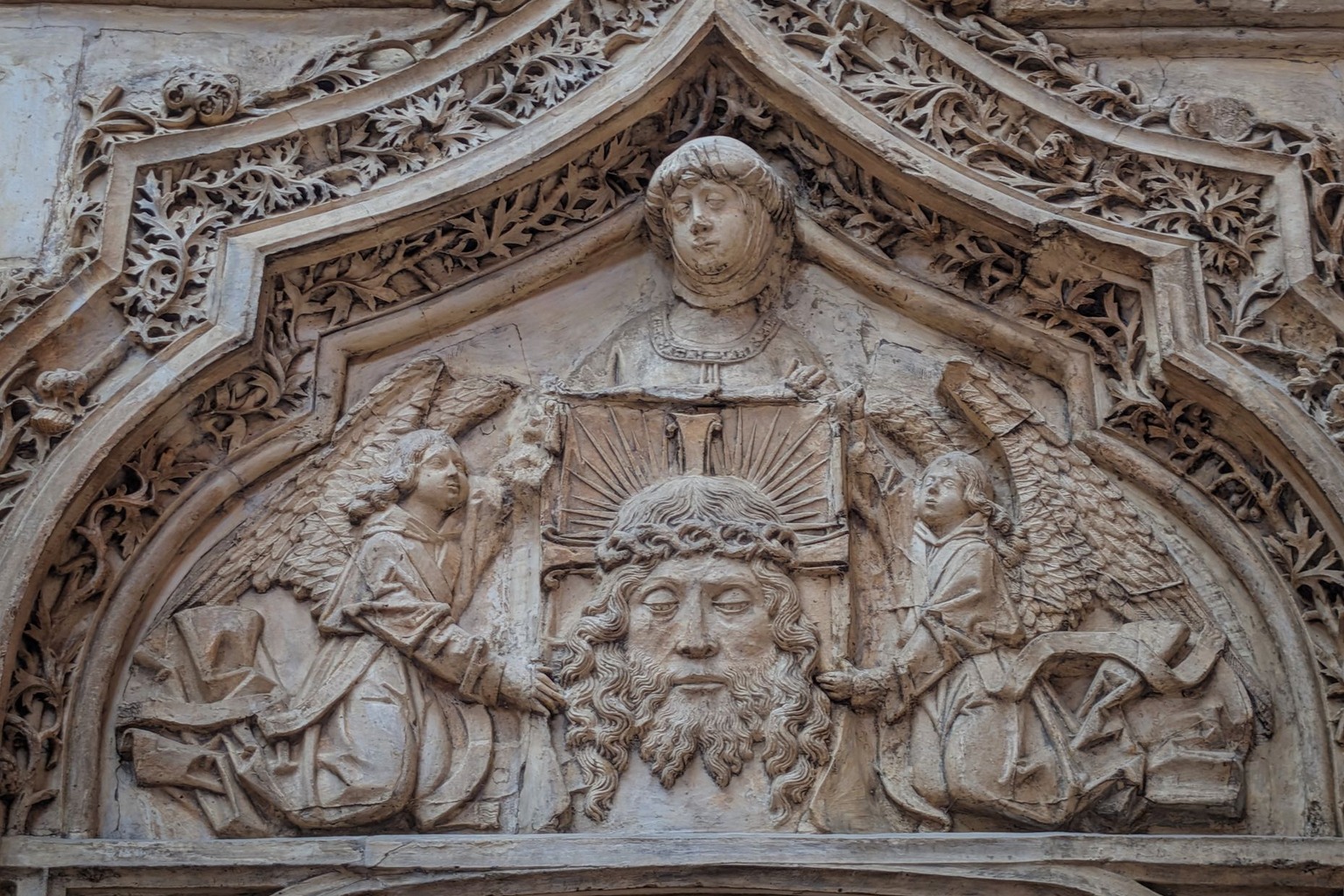
It is important to note that these architectural elements were part of a broader decorative program that included lions, eagles, and other animals with established heraldic and symbolic meanings. The serpent does not exist in isolation but interacts with these other figures to create a complex visual language. For example, a serpent might be shown being crushed by a lion or a knight, explicitly linking the order’s military prowess to the defeat of evil. This interplay between different symbols allows for a richer interpretation than viewing the serpent alone. Understanding this compositional context is key to avoiding misinterpretations of individual motifs.
Seals and Heraldry of the Order
The official seals of the Knights Templar provide some of the most concrete evidence of their symbolic preferences. The famous red cross on a white field is well known, but the reverse sides of these seals often contain intricate designs that include serpentine elements. These designs are typically geometric or abstract, rather than realistic depictions of animals. This stylization suggests that the serpent was being used as a decorative or esoteric motif within the context of official documentation. The precision of these engravings indicates that they were intended to convey specific meanings to a literate and educated audience of clergy and nobility.
Individual knights also used personal seals that sometimes incorporated serpent imagery, often combined with other heraldic devices. These personal emblems allowed members to express their own spiritual or family connections alongside their identity as Templars. For instance, a knight might include a coiled serpent to represent a family crest or a specific virtue associated with their lineage. This layer of personal expression adds complexity to the overall iconographic record. By comparing official order seals with personal ones, historians can trace the evolution of specific symbols and understand how they shifted in meaning over time. This comparative analysis reveals the flexibility of the visual language used by the order.
Manuscript Illustrations and Marginalia
While the Templars did not produce many of their own manuscripts, they were patrons of monastic scriptoria that did. In these texts, serpent imagery appears in the margins and illustrations of books on theology, history, and law. The marginalia, in particular, often contain playful or satirical depictions of serpents that might seem out of place in a formal religious context. However, these whimsical images could also contain hidden theological messages or references to specific events within the order. The context of the surrounding text is crucial for interpreting these images, as the same symbol can mean different things in a theological treatise versus a historical chronicle.
Some scholars have pointed to specific manuscripts that depict the serpent in connection with alchemical or hermetic traditions. This interpretation suggests that the Templars may have had access to esoteric knowledge that influenced their art. While this theory is debated, it highlights the potential depth of the order’s intellectual life. The presence of such imagery in high-quality manuscripts indicates that it was not merely a folk tradition but a sophisticated symbolic system. Careful study of these texts allows researchers to identify patterns and connections that might be missed in isolated images. This approach helps to place the serpent symbol within a broader cultural and intellectual framework.
Distinguishing Fact from Modern Myth
A significant challenge in studying Templar iconography is separating historical fact from modern mythmaking. Many popular books and films have reinterpreted the serpent symbol as a marker of Satanic worship or secret occult knowledge. These narratives are not supported by contemporary historical evidence from the fourteenth century. The trials of the Templars in the 1300s focused on specific charges of heresy and blasphemy, but no credible witness testified to the worship of serpents. Modern interpretations often project contemporary occult interests onto medieval artifacts, leading to a distorted view of the order’s beliefs. It is vital to rely on primary sources to avoid falling into these traps.

The persistence of these myths can be attributed to the dramatic nature of the order’s history and the mystery surrounding their dissolution. The lack of a clear, continuous institutional memory has created a vacuum that has been filled by speculation and fantasy. However, serious historical research continues to uncover new evidence that refutes many of these sensationalist claims. By focusing on the documented practices and beliefs of the knights, we can appreciate the genuine complexity of their symbolic language without resorting to unfounded theories. This grounded approach allows for a more accurate and respectful understanding of the Templars’ legacy.
Choosing the Right Interpretive Framework
When analyzing a specific piece of Templar iconography, the choice of interpretive framework depends heavily on the type of artifact and its context. For architectural elements, a theological and artistic analysis is most appropriate, focusing on the narrative function of the image. For personal seals, a heraldic and genealogical approach may be more useful, linking the symbol to family history or individual identity. For manuscript illustrations, a literary and intellectual history context is essential, examining how the image relates to the text it accompanies. Selecting the right framework ensures that the interpretation is grounded in the specific conventions of the medium.
Ultimately, the goal is to understand the serpent symbol as part of a coherent visual language that served the spiritual and organizational needs of the Knights Templar. By avoiding anachronistic projections and relying on rigorous historical methodology, we can gain a deeper appreciation for the sophistication of medieval symbolic communication. This approach not only clarifies the specific meanings of the serpent in Templar art but also sheds light on the broader cultural and religious landscape of the Middle Ages. The careful study of these details allows us to see the Templars not as mysterious figures shrouded in dark secrets, but as complex historical actors navigating the challenges of their time with ingenuity and faith.

I’ve always been fascinated by how societies and organizations shape history and everyday life. Writing about the interplay between cultural movements and institutional structures lets me explore the stories that connect past and present. I love digging into archives and sharing insights that help readers understand our collective journey.