Overview of Knights Templar Symbols
The Knights Templar, a medieval Christian military order, are perhaps best remembered today not just for their role in the Crusades but also for their distinctive symbols. These symbols serve as a visual representation of the ideals, values, and identity of the Templar order. Understanding these Knights Templar symbols provides significant insight into the order’s history, beliefs, and influence.
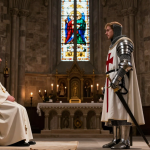
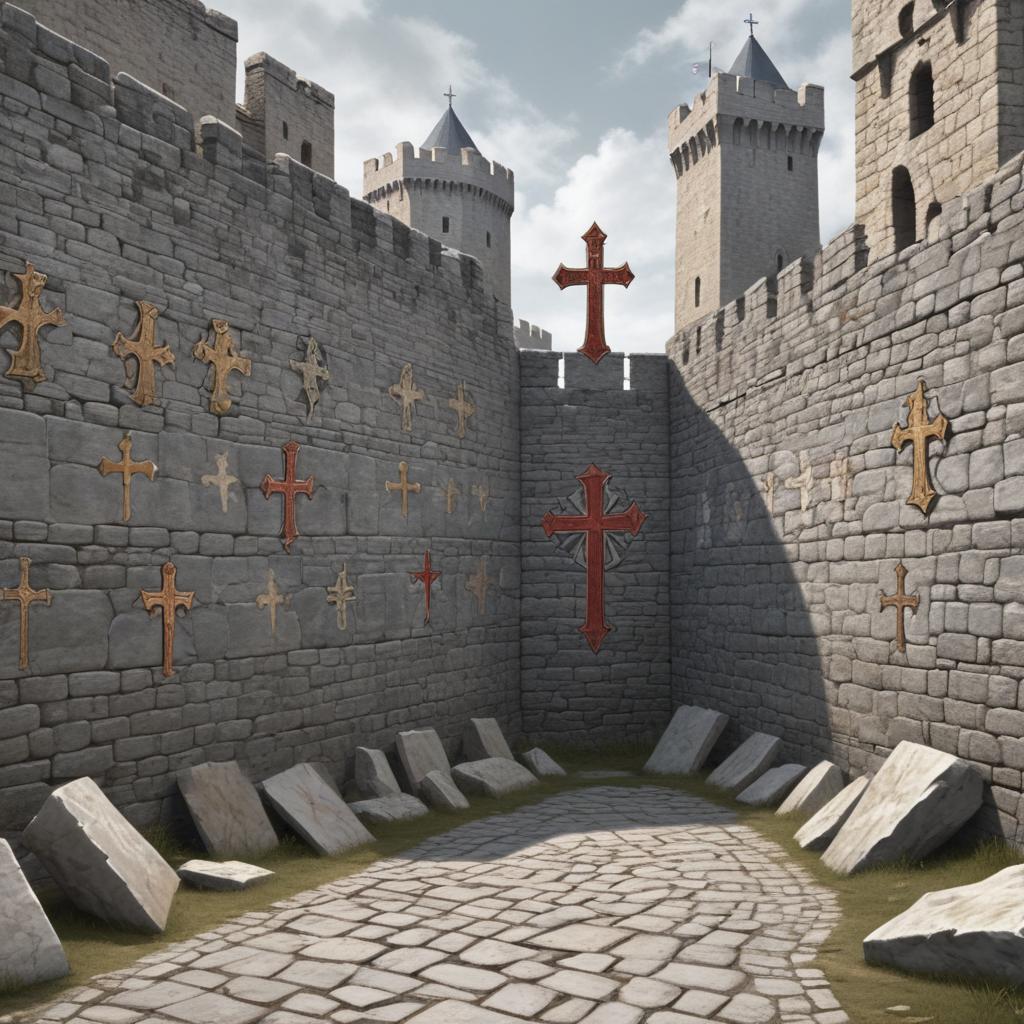
The origins of the Templar insignia trace back to the 12th century when the order was officially established to protect Christian pilgrims traveling to the Holy Land. The red cross, one of the most recognizable Knights Templar symbols, was worn prominently on their mantles and shields. This cross symbolized martyrdom and sacrifice, embodying the Knights’ dedication to their religious mission and their willingness to lay down their lives for their faith.
Beyond the red cross, the order employed other symbols such as the two knights on a single horse, which illustrated the ideals of poverty and brotherhood among the Templars. This symbol reflected their vows of chastity, obedience, and poverty, essential elements that defined their monastic-military lifestyle. Additionally, their seal and various heraldic symbols reinforced the authority and unity of the Knights Templar across Europe and the Holy Land.
These Knights Templar symbols are important because they provide a lens through which historians and enthusiasts can better understand the order’s complex identity. The visual insignia not only conveyed powerful religious and military messages but also helped to establish the Templars’ presence and reputation throughout medieval Christendom. The symbols have endured through the centuries, inspiring countless myths, legends, and contemporary interest in the order’s mysterious and storied past.
In summary, the Knights Templar symbols offer an invaluable overview of the Templar insignia, illuminating their historical origins and the deeply significant messages these emblems conveyed. Appreciating these symbols is essential to comprehending the full scope of the Knights Templar’s legacy and the enduring fascination with their order.
Historical Background of the Symbols
The Knights Templar, a prominent medieval Christian military order, developed their iconic symbols within a rich historical framework deeply intertwined with Templar history and the broader knights history of the Crusades. Originating in the early 12th century during the First Crusade, the Templars adopted symbols that were not just identifiers but also profound representations of their religious vows, military mission, and spiritual dedication.
The red cross, one of the most recognized Templar symbols, signified martyrdom and sacrifice, embodying the bravery and spirituality expected from the knights. This emblem evolved as the Templars gained prominence, becoming a powerful icon of their commitment to protect pilgrims traveling to the Holy Land and to fight in Crusader battles. Other symbols, such as the two knights on one horse, highlighted ideals of humility and brotherhood within the order.
Throughout the Crusades, the knights history shaped the evolution of these symbols, blending Christian iconography with the practical needs of battlefield identification and unity. The origins of Templar symbols are thus rooted in their dual role as monks and warriors, reflecting their unique position in medieval society. Understanding this historical context allows us to appreciate how these symbols became enduring emblems of the Templar legacy.
Importance of Symbols in Templar Identity
Symbols played a crucial role in shaping and expressing the Knights Templar’s identity. These emblems were far more than mere decorations; they were powerful representations of the Templar identity, deeply embedded in the organization’s core values and beliefs. Each symbol carried a specific meaning that communicated the order’s principles of faith, loyalty, courage, and sacrifice. Through such imagery, members of the Templar culture could recognize their shared purpose and commitment, fostering unity and cohesion within the ranks.
The distinct symbols helped portray the spiritual and martial duality of the Templars. For example, the famous red cross symbolized martyrdom and readiness for battle in the service of Christianity, reinforcing a collective identity centered on divine mission and warrior ethos. This symbol meaning extended beyond aesthetics, becoming a visual pledge of the knights’ vow and their dedication to protect pilgrims and holy sites. It underscored an ideal that every member upheld with honor and devotion.
Moreover, these symbols served as organizational identifiers, setting the Templars apart from other groups and signaling their elite status within medieval society. They were displayed on uniforms, banners, and armor, making the Templar culture visible and recognizable on battlefields and within political arenas. Hence, the enduring importance of symbols in the Templar identity went beyond mere representation—it was a language of belief and belonging that united knights in a shared legacy.
Common Knights Templar Symbols and Their Meanings
The Knights Templar are renowned not only for their historical significance but also for their rich use of symbolism. Common Templar symbols are deeply embedded in the order’s history and represent various spiritual, military, and mystical meanings. Understanding these symbols provides insight into the values and beliefs of the Templar knights and their enduring legacy in Templar iconography.
One of the most iconic and recognizable symbols is the red cross, often emblazoned on the white mantles worn by the knights. This cross represents martyrdom and sacrifice, symbolizing the knights’ readiness to lay down their lives for their faith. The red cross is also a powerful emblem of their steadfast commitment to the crusading cause and the defense of Christendom.
Another prevalent symbol is the two knights riding a single horse. This image portrays the ideals of poverty and brotherhood that were central to the Templar order. It serves as a reminder of the vows of humility and shared purpose, emphasizing that the Templars were united as a single body, supporting and trusting one another in their sacred mission.
The Templar seal often features this image along with inscriptions, encapsulating the fraternity’s cohesion and dedication. The dual riders symbolize not only poverty but also loyalty and mutual dependence, highlighting the tight-knit nature of the order.
The sword is another key piece of Templar iconography, symbolizing justice, military strength, and the protection of the innocent. Often illustrated alongside the cross, the sword underscores the knights’ dual role as monks and warriors, fighting divine battles while upholding spiritual discipline.
Additionally, the Templar’s distinctive helmet and shield designs carry symbolic meanings. The helmet, often designed simply, reflects humility and readiness for battle, while the shield represents defense and the protection of Christian pilgrims traveling to the Holy Land. Together, these elements form a powerful visual language that communicates the ideals of courage, faith, and chivalry.
In summary, these common Templar symbols— the red cross, the two knights on one horse, the sword, helmet, and shield— each contribute unique symbol meanings that define the Templar identity. Their rich iconography continues to captivate historians and enthusiasts alike, offering a window into a fascinating chapter of medieval and spiritual history.
The Red Cross
The red cross symbol is one of the most recognizable emblems associated with the Knights Templar. Known also as the Knights Templar cross or crusader cross, this symbol was more than just decoration; it held deep religious and cultural significance. The red cross was worn prominently on the white mantles of the Templar knights, symbolizing their commitment to the Christian faith and their role as holy warriors during the Crusades. It represented martyrdom, sacrifice, and a willingness to fight for the protection of pilgrims and the defense of the Holy Land.
The simplicity of the red cross design contrasted starkly with the plain white background, making it a powerful visual statement of purity and devotion. It served as a unifying insignia for the knights, fostering a strong sense of identity and brotherhood among the order. The red cross symbol also acted as a form of divine protection, believed to grant courage and spiritual strength in battle. Over time, the crusader cross became an enduring emblem not only of the Knights Templar but of Christian knighthood more broadly, encapsulating ideals of bravery, faith, and sacrifice that transcend its medieval origins.
Today, the red cross remains a potent symbol in historical and cultural contexts, evoking the legacy of the Knights Templar and their legendary role in history. Whether seen in art, literature, or on monuments, the Knights Templar cross continues to embody notions of sacred duty and the timeless struggle between good and evil.
The Knights Templar Seal
The Templar seal is one of the most iconic symbols associated with the Knights Templar, rich in meaning and historical significance. The centerpiece of the Knights Templar seal is the depiction of two knights riding a single horse, an image that immediately captures attention and invites interpretation. This unusual representation symbolizes the order’s initial poverty, humility, and brotherhood. Rather than showing individual wealth and might, the knights are united on one mount, emphasizing solidarity and shared purpose.
Beyond the imagery of the knights on horseback, the Templar seal features elements reinforcing their religious and military dedication. The emblem often includes a circular inscription around the image, bearing the Latin phrase “Sigillum Militum Xpisti,” which translates to “Seal of the Soldiers of Christ.” This inscription highlights the Templar’s dual role as devout monks and fierce warriors in the Crusades. The circular shape of the seal itself represents unity and eternity, echoing the order’s religious vows and their eternal commitment to their cause.
The templar insignia conveys a powerful message of sacrifice, brotherhood, and faith. The two knights on one horse also remind us of the order’s origins and the challenges they overcame. This emblem became a mark of honor and trustworthiness throughout Christendom, signaling the values and discipline that the Knights Templar embodied. Today, the Templar seal remains a compelling symbol, representing the mystique and legacy of this legendary medieval order.
The Beauseant Banner
The Beauseant banner, also known as the Templar flag, is one of the most iconic symbols associated with the Knights Templar. This distinct black and white banner served as the knights’ banner on the battlefield and held deep symbolic meaning for the order. The black and white colors of the Beauseant banner were more than just a striking design; they represented the duality of the Templar’s mission and values.
The black side of the Beauseant symbolized the knights’ readiness for war and their willingness to confront darkness and evil. It was a representation of discipline, secrecy, and the serious duties that came with being a member of this elite order. Conversely, the white side stood for purity, peace, and the knightly promise to protect pilgrims and uphold Christian virtues. Together, these two colors reflected the balance the Templars aimed to maintain between their warrior spirit and their sacred mission.
As the Templar flag, the Beauseant banner was more than just a marker for identification—it was an emblem of unity and strength for the knights. It inspired courage and reminded the knights of their solemn vows and the noble cause they served. The banner’s presence on the battlefield bolstered morale and communicated the order’s prestige and power.
In essence, the Beauseant banner encapsulated the very essence of the Knights Templar, making it a powerful and enduring symbol that continues to be recognized and revered to this day.
Modern Interpretations and Use of Templar Symbols
Today, modern Templar symbols continue to captivate and inspire, transcending their medieval origins to find new life in popular culture, literature, and various organizations. These symbols, once emblematic of the Knights Templar’s religious and military mission, have evolved into icons rich with layers of meaning and varied interpretations. Their invocation in contemporary contexts often reflects a blend of historical fascination and symbolic reinterpretation.
In popular culture, Templar symbols such as the red cross, the eight-pointed star, and the double-barred cross frequently appear in films, television series, and video games. These emblems are often associated with mystery, secret knowledge, and power, weaving an aura of intrigue around the Templars. The symbol interpretation here goes beyond their historical use, portraying them as gateways to hidden truths or mystical artifacts. This narrative has established a strong presence in the collective imagination, influencing how new generations perceive the Templars and their legacy.
Literature also plays a significant role in shaping contemporary use of Templar symbols. Numerous novels and graphic novels incorporate these emblems to build stories centered on secret orders, quests, and ancient conspiracies. Writers employ these symbols to evoke a sense of authenticity and depth, often exploring themes of courage, honor, and spiritual warfare. The symbols act as a bridge connecting readers to a romanticized past, preserving the enigmatic allure of the Templar tradition while allowing for creative reinterpretation.
Beyond entertainment, modern Templar symbols have been embraced by various fraternal organizations and societies worldwide. These groups often adopt the ancient Templar imagery to symbolize values such as chivalry, loyalty, and charity, aligning themselves with what they perceive as the ethical and moral ideals of the original order. The contemporary use of these symbols reinforces community identity and continuity, linking members to a storied heritage that transcends time. This symbolism supports rituals, ceremonies, and regalia, providing a tangible connection to the Templars’ storied history.
In summary, the modern Templar symbols carry multifaceted meanings that go well beyond their medieval origins. Whether in popular culture, literature, or organizational use, their symbol interpretation remains dynamic and evolving. This ongoing engagement underscores the enduring appeal of the Knights Templar’s iconography, serving as a powerful reminder of their historical impact and the human fascination with mystery, honor, and legend.
Templar Symbols in Popular Culture
The imagery and symbols of the Knights Templar have long captivated the imaginations of writers, filmmakers, and television producers, making them a staple in popular culture. From thrilling templar movies to gripping templar books, the iconic red cross, the mysterious knights, and their legendary secrets continue to inspire countless narratives.
In cinema, Templar symbols often serve as a visual shorthand for mystery, sacred duty, and covert power. Films like “Indiana Jones and the Last Crusade,” along with various adventure and thriller genres, weave the Templars’ insignia into their storytelling, heightening the sense of ancient conspiracy and heroic quests. This prevalence reflects the powerful hold that the order’s emblematic cross and armor have on audiences worldwide.
Books centered on the Knights Templar frequently delve deeper, exploring the historical and mythical aspects of the order. From historical fiction that brings Templar eras to life, to speculative novels blending fact and fantasy, templar books continue to expand the Templar lore. These literary works capitalize on the intrigue surrounding the symbols and the myths that have grown around them, enriching readers’ fascination with the order.
Television shows have also embraced the Templar legacy, integrating their symbols into plots involving secret societies, ancient rituals, and heroic crusades. The templar in media consistently represents a blend of mysticism and martial valor, resonating with audiences who find allure in the blend of history and legend.
Overall, the Knights Templar’s symbols remain omnipresent in popular culture, serving both as a link to the past and a springboard for modern storytelling across movies, books, and television.
Use of Symbols by Modern Organizations
Modern Templar groups and various fraternal organizations have embraced the rich heritage of the Knights Templar by adopting and adapting their iconic symbols. The powerful insignias originally used by the medieval Templars—such as the red cross, the double-barred cross, and the Templar seal—serve as a profound link to history and tradition for these contemporary groups. These symbols are not merely decorative but hold symbolic meanings that convey ideals such as honor, loyalty, protection, and faith.
Templar symbolism today is often incorporated into the regalia, badges, and ceremonial attire of these organizations. This adoption is a way to preserve the mystique and values associated with the original knights, while also tailoring the symbols to fit modern contexts and organizational goals. The use of such imagery fosters a sense of belonging and continuity among members, reinforcing shared principles and identity.
Symbol adoption by modern templar groups also extends beyond visual emblems. Many groups infuse their rituals, literature, and architecture with Templar symbolism, reflecting both respect for the past and adaptation to contemporary spiritual or social missions. This dynamic interplay ensures that the legacy of the Knights Templar remains vibrant and relevant, inspiring new generations through a blend of historic reverence and modern interpretation.

I’ve always been fascinated by how societies and organizations shape history and everyday life. Writing about the interplay between cultural movements and institutional structures lets me explore the stories that connect past and present. I love digging into archives and sharing insights that help readers understand our collective journey.