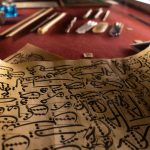

The medieval military orders operating in the Levant during the twelfth and thirteenth centuries maintained an advanced apparatus for gathering tactical secrets that rivaled any modern statecraft. Far from acting merely as heavy cavalry charges on the battlefield, these monastic knights functioned as an elite intelligence agency operating across hostile terrain. Historical analysis reveals that effective warfare in the Near East demanded profound geopolitical awareness, linguistic competence, and cultural fluency. The brethren recognized early on that survival depended upon knowing enemy movements weeks before any engagement occurred. By establishing covert listening posts and cultivating local informants, the order created Templar intelligence networks that systematically monitored rival factions.
Recruitment and Linguistic Integration in the Levant
Building a functional espionage wing required operatives who could blend seamlessly into the diverse populations of the Latin East. Many commanders recruited native Christians, converted Muslims, and Jewish merchants who spoke Arabic, Persian, and Turkish with native fluency. These individuals traveled freely between Crusader principalities and Islamic emirates under the guise of ordinary traders, pilgrims, or diplomats. Such agents operated with minimal supervision, relying on forged documents and secret passphrases known only to high-ranking preceptors. This human infrastructure provided the foundation for Templar intelligence networks across contested borderlands.
Language proficiency served as the primary tool for extracting actionable intelligence from captured adversaries or mercenary troops. Brethren stationed in frontier castles established dedicated translation bureaus to review intercepted correspondence and interrogate prisoners of war. They maintained meticulous records of regional tribal politics, factional disputes among various dynasties, and the personal ambitions of emirs. Understanding these internal divisions allowed the order to exploit rivalries rather than fighting every regional power simultaneously. The ability to read Arabic financial ledgers and diplomatic dispatches gave the military order a distinct tactical advantage.
Methods of Covert Communication and Data Relay
Transmitting sensitive military reports across hundreds of miles of hostile territory demanded secure and rapid communication channels. The order utilized an extensive network of fortified commandries, hilltop watchtowers, and carrier pigeon stations to move messages without interception. Riders changed mounts frequently at specific waypoints, matching the speed of the fastest courier systems of the era. Secret codes and substitution ciphers protected written documents if couriers happened to fall into enemy hands. This high-speed messaging apparatus ensured that grandmasters in Jerusalem received threat assessments long before rival commanders could react.
Information security remained a paramount concern within every chapter house across the Mediterranean basin. Senior commanders restricted access to strategic maps and regional reports to a very small circle of sworn officers. Messengers memorized critical portions of their dispatches to minimize the physical evidence they carried through dangerous mountain passes. When written orders were necessary, scribes used specialized inks and parchment types that revealed tampering immediately. Such rigorous protocols prevented critical tactical secrets from leaking to external factions.
Financial Espionage and Economic Surveillance
Military dominance required deep funding reserves, and the brethren utilized commercial espionage to monitor regional trade routes and banking activities. Monastic bankers gathered market data regarding grain prices, textile supplies, and precious metal flows from Damascus, Cairo, and Baghdad. Merchant shipping manifests passed through their administrative offices, revealing the movement of weapons and supplies destined for opposing forces. Controlling these financial information channels allowed the order to predict supply shortages and adjust their own logistics accordingly. Economic awareness proved just as vital as battlefield reconnaissance for maintaining long-term military campaigns.
For a deeper look into the order’s mysterious past, The Why Files breaks down their hidden history right here.

The order also monitored the financial health of rival mercenary companies and independent warlords operating in the disputed zones. By tracking loans issued through their growing banking network, they identified which emirs faced bankruptcy or severe cash flow crises. This intelligence enabled the brethren to buy off hostile commanders or disrupt enemy mercenary recruitment before campaigns commenced. Financial surveillance thus served as a quiet weapon that neutralized threats before a single sword left its scabbard. Understanding the ledger entries of an opponent often revealed strategic intentions far more accurately than scout reports.
Counterintelligence and Internal Security Operations
Protecting their own installations from enemy infiltration occupied a massive share of daily administrative labor within each fortress. Commandries instituted strict vetting processes for new recruits, visiting merchants, and allied mercenaries seeking shelter within castle walls. Internal investigators rooted out double agents planted by regional potentates to steal architectural plans of fortifications. Torture and interrogation of suspected spies occurred under strict legal frameworks defined by internal statutes to extract names of conspirators. Maintaining absolute internal security ensured that operational plans remained hidden from outside observers.
Counter-surveillance measures also included feeding false data into known enemy information channels to deceive opposing commanders. When the brethren prepared for a major offensive, they deliberately leaked misleading itineraries through compromised local informants. This tactical disinformation forced opposing forces to disperse their armies defensively, leaving key strongholds vulnerable to surprise attacks. Guarding against espionage while simultaneously weaponizing deception required a sophisticated understanding of human psychology. The internal security apparatus operated with ruthless efficiency to preserve the operational secrecy of the order.
Exploiting Factional Division Among Adversaries
The geopolitical landscape of the Crusader states featured a fractured array of competing dynasties that frequently fought each other. Intelligence officers mapped these internal rivalries meticulously, identifying which emirs distrusted their overlords more than the European arrivals. Diplomats backed by the order offered selective military alliances or neutrality pacts to specific Islamic rulers based on collected intelligence. These temporary truces neutralized immediate threats on one front while armies concentrated forces elsewhere. Exploiting these deep-seated political fractures prevented the unification of opposing military power under a single banner.

Information gathered by scouts allowed commanders to time their diplomatic overtures precisely when rival factions reached diplomatic impasses. If an emir faced internal rebellion, the military order might supply funds or intelligence to the rebels to distract that adversary. This pragmatic approach to regional politics shocked some contemporary chroniclers who expected rigid ideological hostility at all times. Survival in a hostile environment demanded cold calculations and flexible alliances forged through superior information management. The ability to read political weather patterns guided the foreign policy of the military order for generations.
Legacy of Medieval Reconnaissance and Statecraft
The operational methodologies developed by these monastic knights left a lasting blueprint for intelligence gathering in Western Europe. As members returned to European commandries, they brought back advanced techniques in cryptography, courier management, and geopolitical analysis. Monarchs across the continent began adopting similar administrative structures to manage their own growing kingdoms and administrative bureaucracies. The integration of commerce, diplomacy, and covert operations pioneered by the order anticipated modern state intelligence agencies. Their success proved that information systems determine the rise and fall of political entities just as much as brute force.
Modern historians continue to study surviving financial ledgers, diplomatic letters, and fortification designs to reconstruct this hidden world of medieval espionage. These primary sources reveal an organization that operated far beyond the simple pious warrior trope popularized in later romantic literature. Every castle wall and every trade route functioned as a node in a vast web of observation and control. The capacity to outmaneuver technologically superior or numerically greater adversaries stemmed directly from superior preparation and information dominance. Through careful observation and disciplined administration, the brethren shaped the history of the medieval world.

I’ve always been fascinated by how societies and organizations shape history and everyday life. Writing about the interplay between cultural movements and institutional structures lets me explore the stories that connect past and present. I love digging into archives and sharing insights that help readers understand our collective journey.