Knights Templar and Medieval society were reshaped by their role as a social and organizational force that transformed medieval Europe. From their founding in 1119 to their suppression in 1312, the Templars operated as a hybrid institution, blending monastic discipline with martial prowess. Their influence extended beyond the battlefield, embedding itself in the economic, legal, and cultural frameworks of the time. What set them apart was their ability to function as both a religious brotherhood and a proto-corporation, setting precedents that would echo through later medieval and early modern organizations.
The Templars as a Model of Medieval Corporate Governance
The Knights Templar introduced a level of administrative sophistication that was revolutionary for the 12th and 13th centuries. Their rule, attributed to Bernard of Clairvaux, established a hierarchical structure with clear chains of command, from the Grand Master down to local commanders. Each preceptory, or regional house, operated under a standardized set of regulations, ensuring consistency across Europe and the Holy Land. This system allowed the order to manage vast estates, trade networks, and financial operations with a degree of efficiency that secular rulers struggled to match. The Templars were among the first to employ double-entry bookkeeping, a practice that would later become foundational to modern accounting.
Their governance model also included mechanisms for accountability. The annual general chapter, where representatives from across the order gathered, functioned as a medieval board of directors. Decisions were made collectively, and misconduct was addressed through internal tribunals rather than external courts. This autonomy was both a strength and a liability, as it insulated the Templars from local feudal disputes but also made them vulnerable to accusations of secrecy. Their organizational blueprint influenced later orders like the Teutonic Knights and the Hospitallers, who adopted similar structures to manage their own sprawling operations.
Economic Innovation and the Templar Banking System
The Templars were pioneers in medieval finance, effectively creating one of the first international banking systems. Pilgrims traveling to the Holy Land needed a secure way to transport funds, and the order provided it. A pilgrim could deposit money at a Templar house in Europe and receive a letter of credit, which could then be exchanged for cash at a Templar outpost in Jerusalem or Acre. This system reduced the risk of theft and eliminated the need to carry large sums of coin. By the 13th century, the Templars were handling deposits for kings, nobles, and merchants, effectively acting as the medieval equivalent of a multinational bank.
Their financial influence extended to lending. The order loaned money to monarchs, including Philip IV of France, who later turned against them. They also managed royal treasuries, such as that of Henry III of England, who entrusted them with the Crown’s finances. Knights Templar and Medieval economy thrived as their ability to move capital across borders made them indispensable to medieval commerce. Their network of preceptories functioned like a medieval SWIFT system, facilitating trade between Europe and the Levant. This financial infrastructure outlasted the order itself, with many of their practices being absorbed into the banking systems of Italian city-states like Venice and Florence.
Legal Precedents and the Templars’ Juridical Autonomy
Knights Templar and Medieval law were exemplified by their unique legal status that set them apart from secular and ecclesiastical authorities. Their papal bulls, particularly Omne Datum Optimum (1139), granted them unprecedented autonomy. They were exempt from local taxes, answered only to the Pope, and could pass through territories without paying tolls. This legal shield allowed them to function as a state within a state, a concept that would later influence the legal frameworks of other religious orders and even early modern corporations. Their immunity from secular courts also meant they could adjudicate internal disputes without interference, a privilege that both protected and isolated them.
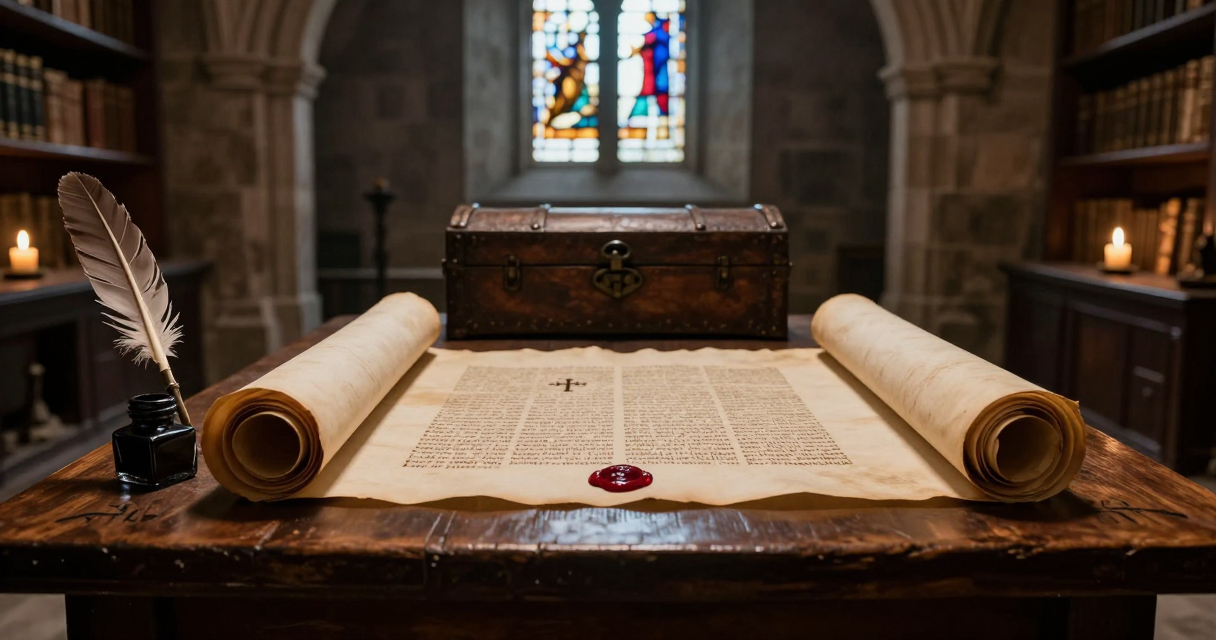
Their legal influence extended to the development of canon law. The Templars’ rule included detailed provisions on property rights, inheritance, and contractual obligations, which were later cited in ecclesiastical courts. Their system of trial by peers, where knights were judged by their fellow brothers, predated similar practices in secular legal systems. When the order was dissolved in 1312, their legal precedents did not disappear. Many of their privileges were transferred to the Hospitallers, and their juridical innovations continued to shape medieval legal thought long after their suppression.
The Templars’ Role in Shaping Medieval Chivalric Ideals
Knights Templar and Medieval warfare were epitomized by their embodiment of the chivalric ideal, blending martial skill with religious devotion. Their rule required members to take vows of poverty, chastity, and obedience, but it also demanded proficiency in combat. This dual identity influenced the broader concept of knighthood, shifting it from a purely military role to one that included spiritual and moral obligations. The Templars’ reputation for discipline and piety made them a model for other orders, and their example helped elevate the status of knights from mere warriors to defenders of the faith.
Their influence on chivalric literature was equally significant. The Moral Code of Knights Templar is evident in works like the Rule of the Templars and De Laude Novae Militiae, which framed them as ultimate Christian warriors. These texts circulated widely, shaping the ideals of later medieval romances and epics. The Templars’ emphasis on self-sacrifice and loyalty also found its way into the Arthurian legends, where knights like Galahad were portrayed as spiritual warriors in the Templar mold. Their legacy endured in the chivalric codes of the late Middle Ages, which increasingly emphasized moral conduct alongside martial prowess.
Architectural and Engineering Contributions
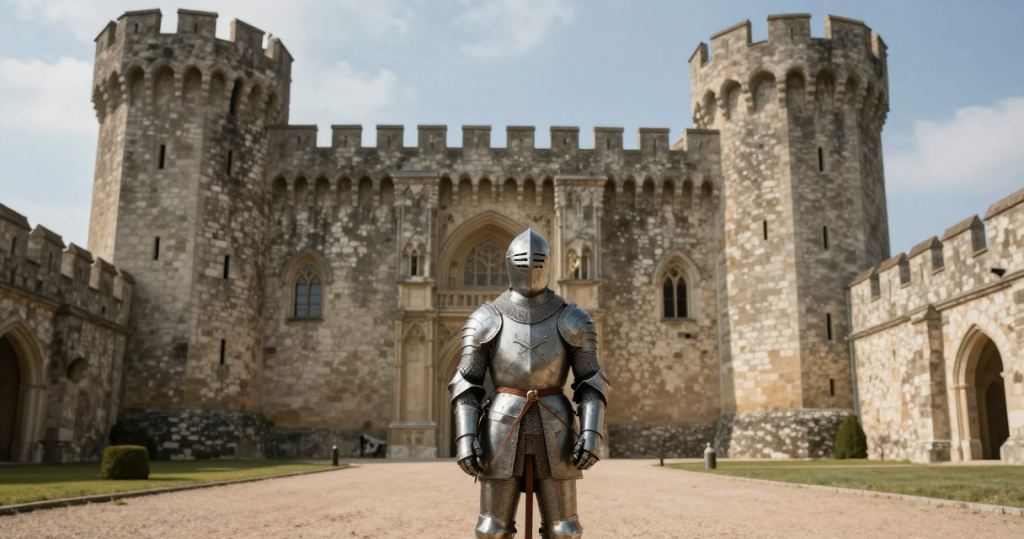
Knights Templar and Feudal society saw them not just as warriors and bankers, but also as builders. Their architectural projects reflected their dual identity as both monks and soldiers. Templar churches, such as the round churches in London and Cambridge, were designed to evoke the Church of the Holy Sepulchre in Jerusalem. The circular shape was symbolic, representing the unity of the Christian faith, but it also served a practical purpose. Round churches allowed for better acoustics and visibility, which were useful for both religious services and military planning. Their fortifications, like the Krak des Chevaliers in Syria, were among the most advanced of the medieval period, incorporating features like concentric walls and machicolations that would become standard in later castle design.
Their engineering expertise extended to infrastructure. The Templars built roads, bridges, and harbors to support their operations in the Holy Land and Europe. Their road network in the Kingdom of Jerusalem facilitated trade and pilgrimage, while their bridges, such as the one at Châtillon-sur-Loire in France, were engineering marvels of their time. These projects were not just military necessities; they also had a lasting impact on local economies. The Templars’ ability to mobilize resources for large-scale construction projects set a precedent for later medieval and Renaissance building programs, demonstrating how a religious order could drive technological and architectural innovation.
The Templars’ Influence on Medieval Trade and Urban Development
The Knights Templar played a pivotal role in the economic revival of medieval Europe, particularly in the development of trade routes and urban centers. Their network of preceptories acted as nodes in a vast commercial system, connecting Europe to the Levant. Templar houses in ports like La Rochelle and Marseille facilitated the movement of goods, from spices and silk to timber and grain. Their presence in these cities often spurred urban growth, as merchants and artisans settled near their compounds to take advantage of the security and infrastructure they provided. In some cases, Templar preceptories became the nuclei of new towns, such as Temple Newsam in England, which later developed into a thriving market center.

Their trade activities also had a cultural dimension. The Templars were among the first to introduce Eastern goods and technologies to Europe, including advances in agriculture, medicine, and metallurgy. Their connections with Muslim and Byzantine merchants exposed them to new ideas, which they then disseminated through their networks. For example, the Templars are credited with popularizing the use of the windmill in Europe, a technology they likely encountered in the Middle East. Their role as cultural intermediaries helped bridge the gap between East and West, fostering a period of intellectual and economic exchange that laid the groundwork for the Renaissance.
The Legacy of Templar Secrecy and Conspiracy Theories
The Knights Templar’s rapid rise and dramatic fall left an indelible mark on medieval culture, fueling centuries of speculation and conspiracy theories. Their secretive rituals, such as the initiation ceremonies described in later trials, became the stuff of legend. The order’s abrupt suppression in 1312, orchestrated by Philip IV of France with the complicity of Pope Clement V, only deepened the mystery. Accusations of heresy, blasphemy, and even idolatry were leveled against them, though modern scholars largely dismiss these charges as politically motivated. The Templars’ downfall was less about their alleged crimes and more about their wealth and influence, which made them a target for a cash-strapped monarchy.
Their legacy of secrecy persisted long after their dissolution. Rumors circulated that surviving Templars had fled to Scotland, where they allegedly helped Robert the Bruce secure victory at the Battle of Bannockburn in 1314. These stories, though unverified, contributed to the order’s mythic status. The Templars became a symbol of resistance against tyranny, inspiring later organizations like the Freemasons, who claimed descent from the order. Their influence on conspiracy culture is undeniable, with theories about their hidden knowledge and lost treasures persisting into the modern era. This fascination with the Templars reflects a broader medieval preoccupation with secrecy and power, where the line between fact and legend often blurred.

I’ve always been fascinated by how societies and organizations shape history and everyday life. Writing about the interplay between cultural movements and institutional structures lets me explore the stories that connect past and present. I love digging into archives and sharing insights that help readers understand our collective journey.