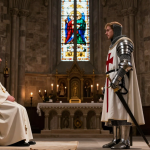

The Knights Templar remain one of history’s most enigmatic organizations, not because of what they left behind, but because of what they didn’t. Unlike monastic orders that filled libraries with theological treatises or royal courts that preserved every decree on vellum, the Templars operated with a deliberate opacity. Their records were functional, not commemorative. Inventories of arms, ledgers of loans, and charters of land grants survive, but personal correspondence, internal debates, or even a definitive rulebook from their early years are conspicuously absent. This scarcity has turned historical records into a battleground where scholars, conspiracy theorists, and modern Templar revivalist groups clash over interpretation. For an organization that once commanded fleets, fortresses, and the finances of kings, the silence in the archives is deafening.
The Templar Rule and Its Fragmentary Survival
The primary document governing the Templars, known as the Latin Rule, was drafted in 1129 at the Council of Troyes. Yet what survives is not a single, pristine manuscript but a patchwork of copies, each with variations that hint at regional adaptations. The original text, attributed to Bernard of Clairvaux and Hugues de Payens, outlined 72 clauses covering everything from the color of habits to the punishment for losing a horse in battle. Later additions, such as the French Retrais, expanded the rule to over 600 articles, reflecting the order’s growth into a multinational corporation. The most complete version, held in the Vatican Archives, is a 13th-century copy that includes marginalia in Occitan, suggesting it was used in southern France. These manuscripts were not meant for public consumption but for internal governance, which explains why so few copies exist. When the order was suppressed in 1312, many were destroyed or scattered, leaving modern researchers to piece together the rule from secondary sources like the chronicles of Matthew Paris or the papal bulls of Clement V.
The survival of the rule highlights the Templar administrative rigor that defined their discipline. Each preceptory, or local commandery, was required to keep a copy, but only a handful have surfaced. The version at the Bibliothèque Nationale de France, for instance, was discovered in the 19th century among the papers of a defunct monastery in Burgundy. It includes annotations in a 14th-century hand, possibly added by a Templar fleeing persecution. These marginal notes reveal how the rule was interpreted in practice. For example, the clause forbidding knights from hunting with birds was later amended to allow falconry if the birds were used for food, not sport. Such details underscore how the rule was not static but evolved alongside the order’s expanding role. Without these fragments, our understanding of Templar discipline would be limited to hostile accounts from chroniclers like William of Tyre, who dismissed them as “monks in armor” with little regard for their actual governance.
Financial Records as Windows into Templar Operations
The Templars were the medieval world’s first international bankers, and their financial records offer the clearest glimpse into their organizational structure. The most significant surviving ledger, the “Cartulaire de l’Ordre du Temple,” compiled in the 12th century, lists over 9,000 transactions across Europe and the Holy Land. These entries include loans to kings, such as Philip IV of France, who borrowed 500,000 livres tournois to fund his wars, and rents collected from tenant farmers in England. The ledger’s precision is striking. Each entry specifies the date, amount, and purpose of the transaction, along with the names of the Templar officers involved. For example, a 1180 entry records a loan of 1,200 bezants to the Kingdom of Jerusalem, secured by the crown jewels of King Baldwin IV. Such documents prove the Templars were not merely warriors but sophisticated financial managers who understood collateral, interest, and risk.
The systematic destruction of Templar financial records played a key role in the events leading to the Trial of the Knights Templar. After the order’s suppression, Philip IV’s agents seized and burned many ledgers to erase evidence of his debts. However, some survived because they were held in regional commanderies outside France. The “Templar Roll of 1185,” discovered in the 19th century in a Spanish archive, details the order’s holdings in Aragon. It lists 17 commanderies, each with its own income from mills, vineyards, and tolls. The roll also names local officials, such as the “Preceptor of Zaragoza,” who oversaw these assets. These records reveal how the Templars decentralized their operations, allowing regional commanders autonomy while maintaining central oversight. The absence of similar documents in other regions has led some historians to speculate that the Templars deliberately destroyed records to protect their clients’ privacy. If true, this would explain why so few personal accounts of their banking services survive, despite their reputation as the most trusted financial institution of the Middle Ages.
Papal Bulls and the Politics of Documentation
The relationship between the Templars and the papacy was defined by a series of papal bulls, which served as both endorsements and constraints on the order’s activities. The most famous, “Omne Datum Optimum” issued by Pope Innocent II in 1139, granted the Templars unprecedented privileges. It exempted them from local taxes, allowed them to appoint their own priests, and placed them under direct papal authority, bypassing bishops and kings. This bull was not merely a symbolic gesture but a legal framework that shaped the order’s growth. Copies were distributed to every Templar preceptory, and its provisions were cited in disputes for centuries. For instance, when the Archbishop of Canterbury attempted to tax Templar properties in England in 1250, the order successfully appealed to Rome, citing “Omne Datum Optimum” as precedent.
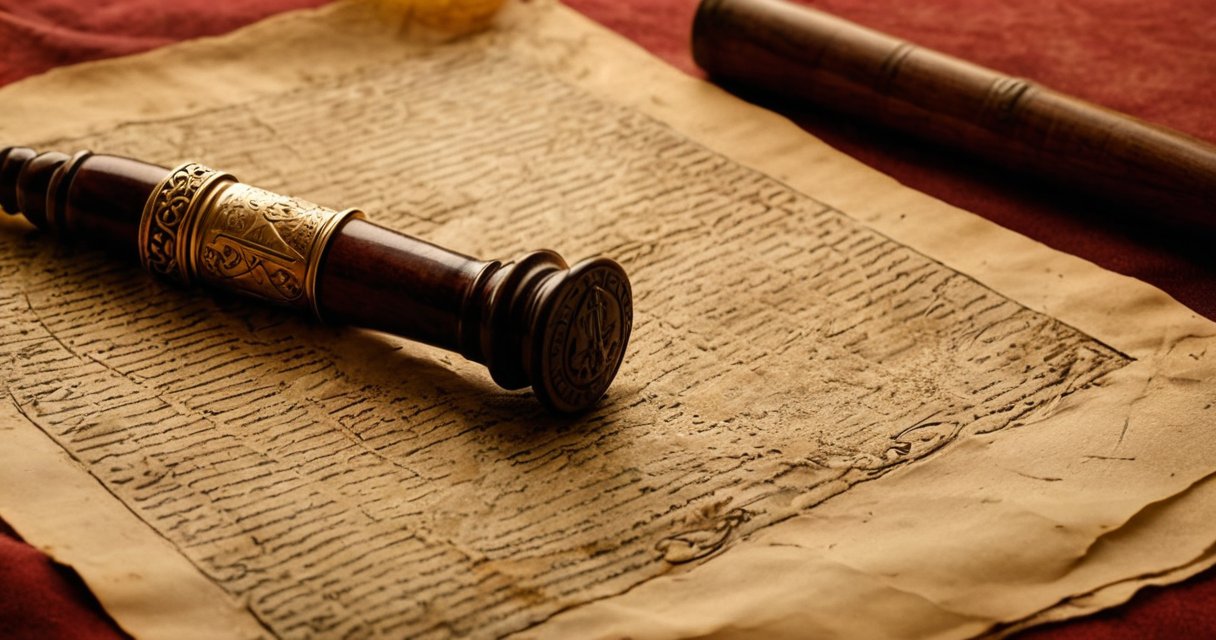
The bulls also reveal the papacy’s shifting attitudes toward the Templars. By the late 13th century, as the order’s wealth and influence grew, papal documents became more critical. “Vox in Excelso,” issued by Clement V in 1312, formally dissolved the Templars, accusing them of heresy and corruption. The bull’s language is revealing. It cites “numerous and weighty” accusations but provides no specific evidence, relying instead on confessions extracted under torture. The original document, now in the Vatican Secret Archives, includes marginal notes in a later hand questioning the validity of these confessions. This ambiguity has fueled debates about whether the bull was a genuine condemnation or a political tool to appease Philip IV. The Templars themselves left no written rebuttal, but their actions speak volumes. In 2001, a group claiming descent from the order filed a lawsuit against the Vatican, demanding access to suppressed documents. While the case was dismissed, it highlighted how papal records remain a contested resource, with modern Templar organizations using them to challenge the official narrative of the order’s downfall.
Chronicles and the Problem of Hostile Witnesses
The Templars left no internal chronicles, forcing historians to rely on external accounts that are often biased or incomplete. The most detailed, “The History of the Deeds Done Beyond the Sea” by William of Tyre, was written in the 1180s by a cleric who never met a Templar. William’s portrayal is ambivalent. He praises their bravery at the Battle of Hattin in 1187 but criticizes their arrogance, noting how they refused to share spoils with other crusaders. His account is valuable for its specificity. He describes Templar battle tactics, such as their use of a “flying column” to harass Saladin’s supply lines, and their role in negotiating ransoms for captured nobles. Yet his reliance on secondhand sources introduces errors. For example, he claims the order was founded in 1118, a date now disputed by scholars who argue it was closer to 1120, based on charters from the Kingdom of Jerusalem.
Other chroniclers were outright hostile. Matthew Paris, a 13th-century English monk, depicted the Templars as greedy and corrupt, accusing them of hoarding wealth while crusader states collapsed. His “Chronica Majora” includes a famous illustration of a Templar knight riding a horse laden with gold, a caricature that ignores the order’s financial support for the Holy Land. These accounts were not neutral observations but propaganda shaped by the political climate. After the fall of Jerusalem in 1244, the Templars were scapegoated for the crusades’ failures, and chroniclers like Paris reflected this narrative. The problem is compounded by the loss of Muslim sources. While Saladin’s secretary, Imad ad-Din, wrote extensively about the Templars, his works were not translated into Latin until the 19th century. This gap in the historical record means that much of what we know about the Templars comes from their enemies, leaving modern historians to sift through exaggerations and omissions. The challenge is not just reconstructing events but understanding the motives behind the accounts that survive.
Modern Archival Discoveries and Their Impact
The 20th century saw a surge in Templar-related archival discoveries, many of which reshaped our understanding of the order. In 1972, a cache of documents was found in the ruins of the Templar preceptory at Tomar, Portugal. Among them was a 1280 inventory listing the order’s assets in the region, including a “secret chamber” beneath the church. This discovery confirmed long-standing rumors about Templar hidden archives, though no such chamber has been found. More significant was the 1990s rediscovery of the “Chinon Parchment” in the Vatican Archives. This 1308 document, overlooked for centuries, records the interrogations of Templar leaders by papal commissioners. Unlike the confessions extracted under torture, these accounts were given under oath and without duress. The Grand Master, Jacques de Molay, admitted to minor infractions, such as spitting on the cross during initiation rites, but denied heresy. The parchment’s existence undermines the official narrative of the Templars’ guilt, suggesting that Clement V initially intended to absolve the order before bowing to pressure from Philip IV.
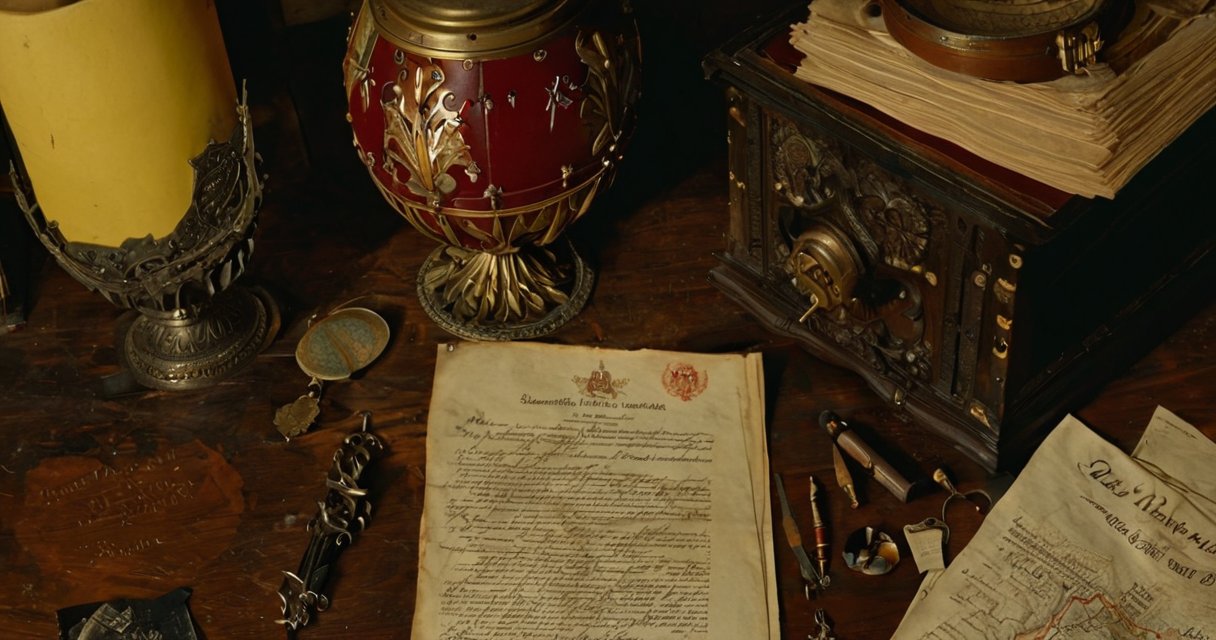
These discoveries have not been without controversy. In 2011, a team of historians led by Barbara Frale published a study of the Chinon Parchment, arguing that it proves the Templars were victims of a political purge. Their findings were met with skepticism from scholars who pointed out that the parchment’s authenticity had been questioned in the past. The debate highlights the challenges of interpreting fragmentary records. Even when new documents emerge, they often raise more questions than they answer. For example, a 2019 find in a Scottish archive revealed a 1314 letter from a Templar knight to a local noble, discussing the order’s assets in Scotland. The letter, written in cipher, has yet to be fully decoded, leaving historians to speculate about its contents. Such discoveries keep the Templars relevant, not as relics of the past but as an ongoing puzzle for researchers. The fact that new documents continue to surface suggests that the order’s history is far from settled, and that the most significant records may still lie hidden in forgotten archives.
The Role of Modern Templar Organizations in Preserving Records
Today, organizations like the Sovereign Military Order of the Temple of Jerusalem and the Scottish Knights Templar claim to be the spiritual heirs of the medieval order. Their approach to historical records is a mix of preservation and advocacy. The Scottish Knights Templar, for instance, maintain an archive of documents related to the order’s alleged survival in Scotland after 1312. These include 17th-century charters linking the order to the Stuart monarchy and 19th-century correspondence between Templar revivalists. While these records are not medieval, they provide insight into how the Templar legacy has been constructed over time. The organization also funds research into primary sources, such as the 2018 digitization of Templar charters held in the National Library of Scotland. This project made over 200 documents accessible online, including a 1290 grant of land to the order in Fife, complete with the seals of local nobles.
The tension between historical accuracy and modern identity is evident in how these organizations handle records. Some groups, like the Ordo Supremus Militaris Templi Hierosolymitani, have been accused of fabricating documents to bolster their claims of continuity. In 2007, a “Templar rulebook” surfaced in a private collection, purporting to be a 14th-century copy. Forensic analysis revealed it was a 19th-century forgery, likely created to lend legitimacy to a modern order. Such incidents underscore the challenges of navigating Templar history, where the line between preservation and mythmaking is often blurred. The Scottish Knights Templar, however, take a more measured approach. Their website publishes translations of medieval documents alongside critical essays, acknowledging the gaps in the historical record. This transparency is crucial for an organization that operates in the shadow of conspiracy theories. By grounding their identity in verifiable sources, they not only honor the Templars’ legacy but also contribute to the broader study of medieval history, ensuring that the order’s story remains a subject of scholarly debate rather than speculative fiction.

I’ve always been fascinated by how societies and organizations shape history and everyday life. Writing about the interplay between cultural movements and institutional structures lets me explore the stories that connect past and present. I love digging into archives and sharing insights that help readers understand our collective journey.