Historical Background of the Knights Templar
The history of the Knights Templar is steeped in mystery and legend, yet firmly rooted in the turbulent era of the medieval knights. Founded in the early 12th century, specifically in 1119, the Knights Templar was established by a small group of knights led by Hugh de Payens. These knights formed a unique military order with the primary purpose of protecting Christian pilgrims traveling to the Holy Land during the Crusades. Their origins are closely tied to the aftermath of the First Crusade, a pivotal series of religious wars aimed at reclaiming Jerusalem and surrounding territories from Muslim control.
The Templar origins lie in an era when the Holy Land was fraught with danger for Western travelers. The order’s founding mission was not just martial but also spiritual — to safeguard pilgrims and act as a symbol of Christian devotion. Recognized soon after by the Catholic Church with the endorsement of Pope Innocent II, the Knights Templar quickly gained prominence as one of the most formidable and disciplined groups of medieval knights, bound by a strict code of conduct and religious vows.
Their role in the Crusades was vital, as they served both on the battlefield and in securing critical routes and fortifications throughout the Levant. The Knights Templar became known for their combat skills, courage, and unwavering loyalty to their cause. They not only fought in key battles but also managed an extensive network of castles, fortresses, and financial operations, which helped sustain the Crusader states. Their influence extended far beyond the battlefield, shaping the political and economic landscapes of medieval Europe and the Near East.
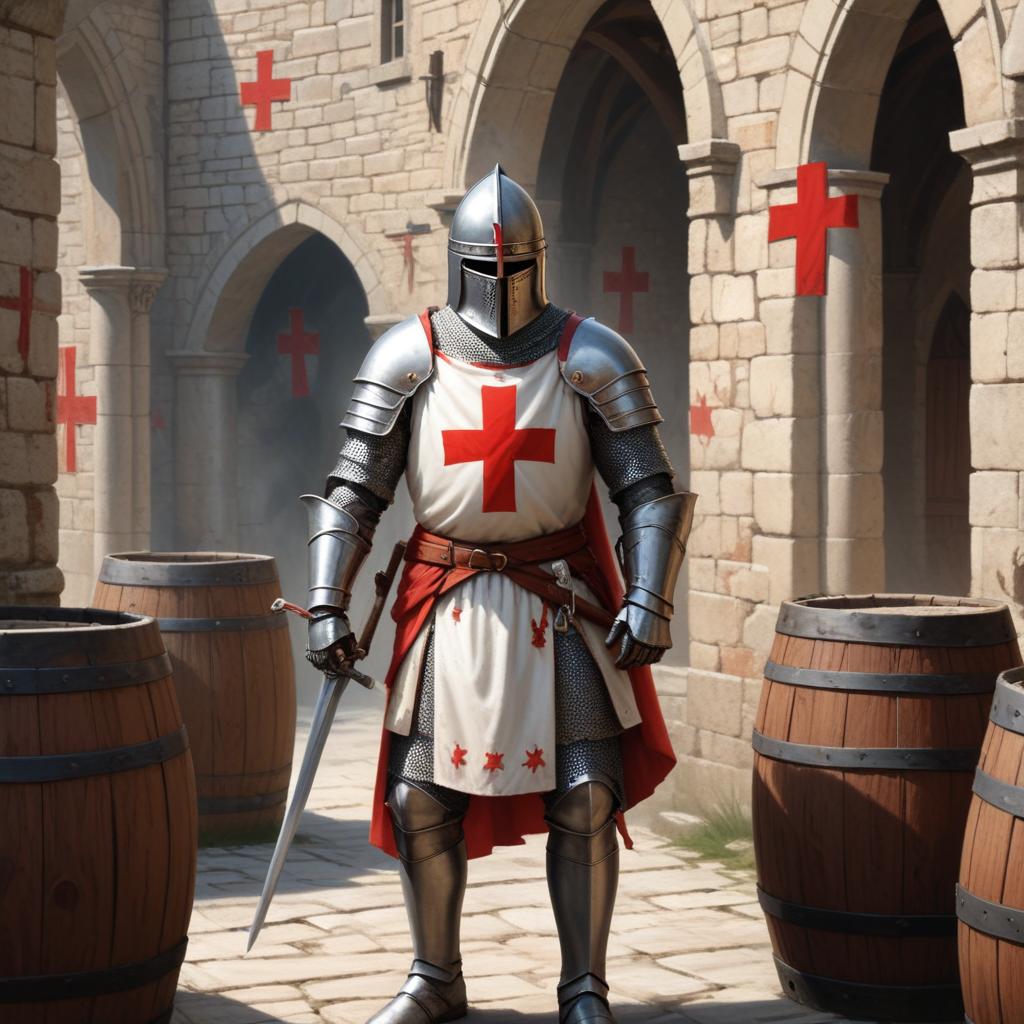
One of the most recognizable symbols associated with the Knights Templar is the red cross. This emblem was not merely decorative; it represented martyrdom, sacrifice, and the spiritual mission of the knights. The red cross, sewn onto their white mantles, became a powerful visual statement of their dedication to the Christian cause and their willingness to fight to the death in the name of their faith. Over time, this symbol has become synonymous with the Templars themselves, evoking images of chivalry, mystery, and medieval valor throughout history.
Founding and Mission
The Templar founding traces back to the early 12th century, when a group of crusader knights sought to protect Christian pilgrims traveling to the Holy Land. These knights established a distinct military order known officially as the Poor Fellow-Soldiers of Christ and of the Temple of Solomon, or simply the Knights Templar. Their initial mission was to safeguard pilgrims from bandits and hostile forces along the perilous routes to Jerusalem and other sacred sites.
As the Order grew in prominence, it evolved beyond its original protective role into a highly organized military and religious institution. The Knights Templar combined strict monastic discipline with skilled combat training, becoming formidable crusader knights dedicated not only to guarding pilgrims but also to defending the Crusader states against Muslim forces. Their red cross emblem became a symbol of their unwavering devotion and military prowess.
Over time, the Templars amassed significant wealth and influence, operating fortresses, managing extensive estates, and even developing early banking practices. Despite their secular power, they remained deeply committed to their religious vows, blending spirituality with martial duty in a unique way. This dual purpose as both a religious order and a military force distinguished them from other medieval groups, solidifying their legacy in history as one of the most renowned military orders of the Crusades.
Symbolism of the Red Cross
The red cross meaning for the Knights Templar extends deeply into both religious symbolism and martial identity. The Templar cross, emblazoned boldly in red, was much more than a mere emblem; it represented their vow to defend Christianity and the Holy Land. The vibrant red color symbolized the blood of Christ and the martyrdom that Templars were willing to endure for their sacred mission. This emblem was a constant reminder of their devotion and readiness to sacrifice.
The knights emblem adorned their garments prominently, often seen on the white mantles worn over their armor. The stark contrast of the red cross on the pure white background illustrated the concepts of purity, sacrifice, and spiritual warfare. On flags and banners, the Templar cross served as a rallying standard in battles and ceremonies, inspiring courage and unity among the warriors. Its presence was a powerful declaration of the order’s divine purpose and earthly authority.
Ultimately, the red cross was integral to their identity — connecting each knight to a larger spiritual cause and marking them as members of a unique brotherhood. It symbolized not only their religious dedication but also their collective strength and honor as defenders of their faith.
Design and Variations of the Red Cross
The design of the red cross worn by the Knights Templar is one of the most iconic symbols associated with this medieval military order. While the fundamental concept remained consistent — a red cross emblazoned on a white mantle — there were notable variations in its design and depiction influenced by different regions and historical periods. These variations offer rich insights into heraldry as well as the cultural and artistic contexts in which the Templars operated.
The most classic design of the red cross is the “cross pattee,” a style where the arms of the cross broaden out at the ends. This design was prominently used during the height of the Templar Order in the 12th and 13th centuries and became a defining element of Templar heraldry. The shape was both distinctive and symbolic, representing martyrdom, sacrifice, and the Christian faith. It was meticulously embroidered or sewn onto the white woolen mantles worn by the knights, making it instantly recognizable across the battlefields of the Crusades.
Regional variations of the red cross design also emerged over time. In the Levant, where artistic influences were diverse due to the multicultural environment, Templar crosses occasionally featured subtle stylistic flourishes, such as slightly curved arms or more ornate tips. In Western Europe, especially in France and England, the red cross often adhered more strictly to the traditional pattee style, reflecting the European heraldic standards that governed knightly orders.
Beyond the cross pattee, there were also variations like the plain Latin cross and the Greek cross, which occasionally appeared in Templar imagery or on badges and seals used by different Templar commanders or preceptories. These variations were less common but highlight the flexibility and adaptation of the basic red cross emblem within the order’s expansive network.
The artistic depictions of the red cross also evolved according to the medium. Manuscripts and illuminated texts from the medieval period show the red cross with vibrant coloration and intricate detailing, often set against richly decorated backgrounds. In stone carvings and architectural elements, the cross was rendered more simply but with strong symbolic presence, emphasizing strength and protection. Heraldic shields and banners frequently displayed the red cross in bold contrast, making it an effective and enduring symbol of identity for the Templars.
In summary, while the core design of the red cross remained a unifying symbol for the Knights Templar, its various artistic and regional variations demonstrate the rich tapestry of heraldry and cultural symbolism embedded in this emblem. Whether in the bold cross pattee of European knights or the stylized forms seen in the Crusader states, the red cross design continues to captivate as a powerful representation of the Templar legacy.
Types of Crosses Used
The Knights Templar are primarily associated with the cross pattée, a distinctive style of cross characterized by arms that are narrow at the center and flare out toward the ends. This cross type became a central element of the Templar insignia, symbolizing their spiritual mission and martial prowess. The cross pattée was not only prominent on their banners and shields but also featured in their seals and various heraldic representations.
Beyond the cross pattée, the Templars employed several other heraldic variations that held symbolic significance. These included the plain Latin cross, the cross potent, and the Maltese cross, each with unique structural traits and meanings. These different cross types helped distinguish chapters, ranks, or specific roles within the order, further emphasizing the rich visual language of the Templar insignia. The use of various cross designs highlights the importance the order placed on religious symbolism and identity.
Each cross type carried deep spiritual connotations, connecting the knights to Christendom and their role as protectors of pilgrims and holy sites. The cross pattée remains the most recognizable emblem of the Knights Templar and continues to be associated with their legacy in popular culture and historical studies. Understanding these cross types enriches our appreciation of the Templar insignia and its enduring symbolism.
Cross on Garments and Banners
The iconic red cross of the Knights Templar was prominently displayed on their garments, armor, and battle flags, serving as a powerful symbol of their faith and unity throughout history. Templar garments were typically white tunics adorned with a distinctive red cross, often sewn onto the left shoulder or chest area. This placement ensured the cross was highly visible, symbolizing the wearer’s devotion to Christianity and the sacred mission of the order. The contrast between the stark white fabric and bold red cross made the Templar knights instantly recognizable during both religious ceremonies and military campaigns.
On armor, the red cross was often painted or engraved onto shields, surcoats, and sometimes helmets. This not only served as a spiritual emblem but also as a means of identification on the battlefield. The prominent display of the cross on knights’ flags was equally important, particularly in battle where visibility was key. Templar cross banners were renowned for their striking simplicity, typically featuring a large red cross on a white background. These banners rallied troops and asserted the presence of the order amidst the chaos of combat.
The use of knights flags with the red cross extended beyond the battlefield, symbolizing the Templars’ commitment to protection and their holy crusades. The consistent presence of the red cross on garments, armor, and banners throughout the centuries helped cement the image of the Knights Templar as formidable warriors and dedicated guardians of Christendom.
Legacy and Modern Interpretations
The red cross of the Knights Templar has left an indelible mark on history, but its influence extends far beyond the medieval era. The templar legacy continues to resonate in modern symbolism, organizations, and popular culture. This iconic emblem, once worn as a badge of honor by the Templar knights themselves, has been appropriated and adapted to convey meanings of protection, sacrifice, and charity in various contemporary contexts.
One of the most notable modern uses of the red cross is in numerous charitable and humanitarian organizations. The symbol evokes the selfless dedication of the Templars in their mission to aid the vulnerable during the Crusades and is thus seen as a powerful icon for care and service. For instance, the Red Cross humanitarian movement, while distinct in origin, shares the color and symbolism of aid while drawing indirect inspiration from the historic knights’ values. This modern use of the red cross signifies hope and relief in disaster-stricken areas, creating a tangible link between medieval chivalry and contemporary philanthropy.
In addition to charity, the Templar red cross has been embraced by several fraternal groups and societies that cherish the notion of brotherhood and nobility. These organizations often adopt the emblem to reflect the virtues of loyalty, courage, and spiritual commitment, mirroring those upheld by the original knights. The cross becomes a unifying symbol, fostering a sense of identity and tradition among members who look to the Knights Templar as an inspirational model for leadership and community engagement.
Popular culture, too, has played a significant role in perpetuating the knights symbolism today. From literature and films to video games and graphic novels, the image of the red cross worn by valiant knights has become synonymous with mystery, honor, and hidden knowledge. These portrayals, while often romanticized, keep the memory of the Templar legacy alive and relevant to modern audiences, blending historical intrigue with mythic allure.
Overall, the red cross of the Knights Templar transcends its original martial and religious significance, evolving into a multifaceted emblem that continues to inspire charitable endeavors, fraternal bonds, and cultural storytelling. Its enduring presence in diverse modern frameworks is a testament to the timeless nature of the templar legacy and the powerful resonance of their symbolic red cross.
Influence on Contemporary Orders
The red cross symbol of the Knights Templar has enduring significance, influencing modern knighthood and various contemporary chivalric orders. Many of these groups, inspired by the valor and dedication of the original Templars, adopt the red cross as a powerful emblem of their heritage and mission. This symbol serves as a link across centuries, representing ideals of bravery, sacrifice, and service that resonate in today’s world.
In addition to knighthood organizations, humanitarian groups inspired by the Templar tradition prominently feature the red cross symbolism. This emblem is often associated with charity, healing, and protection, reflecting the Templars’ original role as warrior monks who also cared for pilgrims and the sick. Modern humanitarian orders leverage this imagery to convey their commitment to aid and relief efforts, bridging historical legacy with contemporary social impact.
The templar influence on these groups is evident not only in their symbols but also in their values and organizational structures. The red cross is more than a mark; it embodies a code of conduct and dedication to justice and compassion. Through the continued adoption of this emblem, contemporary orders keep alive the spirit of the Knights Templar, adapting ancient symbols to modern contexts while honoring centuries-old traditions.
Cultural Representations and Media
The red cross of the Knights Templar holds a powerful place in cultural representations, frequently appearing as a symbol of mystery, bravery, and sacred duty in various forms of media. In films, the Templar’s iconic red cross is often used to signify their role as holy warriors, embodying ideals of chivalry and steadfastness. Popular movies about the Crusades or medieval history tend to highlight the red cross prominently, reinforcing the image of the Templar as a noble and secretive order.
Literature has also embraced the red cross symbolism, weaving tales that explore the deeper mystique surrounding the Knights Templar. Novels and historical fiction often use the symbol as a focal point for stories of adventure and hidden knowledge, drawing readers into the enduring myths associated with the order. This portrayal helps cement the cross as a marker of the Templars’ spiritual and martial legacy in popular culture.
In the world of video games, the red cross becomes an emblem players associate with elite medieval warriors and secretive knighthood. Many games centered on knights and crusades incorporate the imagery to evoke a sense of authenticity and to tap into the legends that make the Knights Templar so fascinating. Through interactive media, the red cross has maintained its place as a symbol of courage, faith, and enigma, contributing greatly to the popular culture knights phenomenon.

I’ve always been fascinated by how societies and organizations shape history and everyday life. Writing about the interplay between cultural movements and institutional structures lets me explore the stories that connect past and present. I love digging into archives and sharing insights that help readers understand our collective journey.