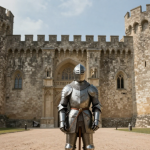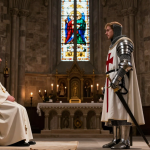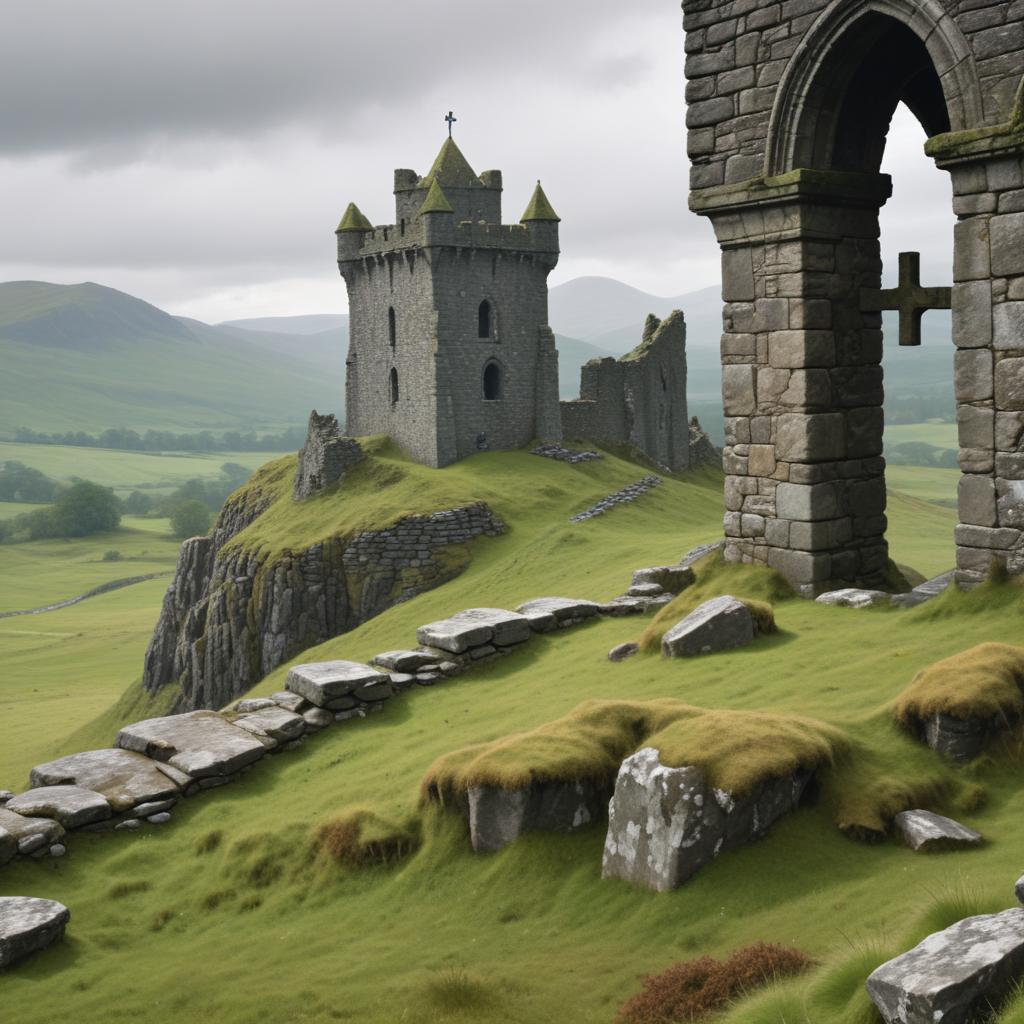
Moreover, these Scottish myths frequently link the Templars to secret societies, suggesting that remnants of the order’s beliefs and rituals survived through covert organizations in Scotland. Some posit that the Freemasons, who have a significant historical presence in Scottish culture, inherited many of the Templar traditions, preserving their legacy under a veil of secrecy. This assertion is fueled by symbols and architectural motifs found in Scottish castles and lodges, reminiscent of Templar iconography.
The alleged Templar treasure, combined with tales of secret meetings and esoteric rites, has woven a rich tapestry of folklore around Scotland’s connection to the Knights Templar. Local stories speak of mysterious underground chambers and hidden tunnels that once housed Templar activities—places now shrouded in legend and rarely accessible. These myths blend historical fact with imaginative storytelling, keeping the fascination alive for those intrigued by Scotland’s enigmatic past.
In conclusion, the Scots hold a unique place in Templar folklore, with legends of hidden treasures and secret societies infusing Scottish history with a profound sense of mystery. While many of these stories remain unverifiable, they continue to inspire curiosity and exploration, ensuring that the bond between Scottish myths and Templar legends endures into the modern era.
The Rosslyn Chapel Connection
Rosslyn Chapel, located in the Scottish Borders, has long been linked to the Knights Templar through a mixture of architectural symbolism and historical speculation. Built in the mid-15th century, this Scottish landmark is renowned for its intricate stone carvings, many of which are believed to contain hidden meanings associated with the Templars. The chapel’s enigmatic designs include depictions of knights, mythical creatures, and symbolic patterns that some historians argue reveal secrets passed down from the Templar order.
One of the key theories connecting Rosslyn Chapel to the Templars is the idea that the chapel serves as a repository for Templar secrets, possibly including sacred relics and knowledge. While concrete historical evidence linking the chapel directly to the Templars is scarce, the chapel’s proximity to former Templar properties in Scotland has fueled speculation. Architectural elements such as the ornate carvings of acorns and vines have been interpreted as symbolic representations of the Order’s spiritual and earthly quests.
The chapel’s mysterious ambiance and rich symbolism continue to attract researchers and tourists fascinated by the Templar legend. Whether or not Rosslyn Chapel holds actual Templar secrets, it stands as a majestic Scottish landmark that epitomizes the enduring allure of the Knights Templar within Scottish history and culture.
Templar Treasure and the Scottish Crown Jewels
The legend of the Templar treasure has long fascinated historians and treasure hunters alike, with many theories suggesting that remnants of this elusive wealth find sanctuary in Scotland. According to various claims, the Knights Templar, fleeing persecution, may have secreted away vast treasures including gold, sacred relics, and documents that hold untold mysteries. These theories often point to Scotland as a plausible refuge due to the country’s historical ties with the Templars and its reputation for sheltering the order’s remnants.
One intriguing aspect of these claims involves the Scottish Crown Jewels, also known as the Honours of Scotland. Some researchers propose that elements of this royal regalia might have connections to the Templar treasure, either through direct acquisition or via symbolic artifacts passed down through Scottish nobility. The mystery deepens with artifacts such as the Stone of Scone, which some argue could be linked to Templar heritage or signify their influence within Scottish royal traditions.
While concrete evidence remains elusive, the allure of hidden Templar treasure intertwined with the Scottish Crown Jewels captivates the imagination. These mystery artifacts fuel speculation not only about the fate of the Templars’ riches but also about Scotland’s role in preserving fragments of this clandestine history. As exploration and research continue, the enigmatic connection between Templar treasure and Scotland’s royal artifacts remains a compelling chapter in the legend of the Knights Templar.
Modern Influence and Legacy of the Knights Templar in Scotland
The legacy of the Knights Templar continues to resonate strongly in modern Scotland, weaving through cultural symbolism, secretive fraternities, and vibrant tourism. This enduring influence is particularly evident within the world of Freemasonry, where Templar symbolism and ideals have been incorporated into rituals and teachings. Scottish Freemasonry, known for its rich traditions and allegorical ceremonies, often includes references to the Templars, emphasizing virtues like honor, loyalty, and chivalry. This connection has helped sustain the mystique and historical significance of the Templars in contemporary society.
Beyond the world of Freemasonry, the Templar legacy manifests vividly in Scotland’s cultural fabric. The imagery and stories of the Knights Templar have inspired numerous literary works, films, and artworks, enriching Scotland’s artistic heritage. These cultural references fuel public fascination and contribute to a shared sense of historical identity. Whether through novels recounting Templar quests or local legends linking ancient sites to the knights, the presence of Templar symbolism remains a potent part of Scotland’s modern narrative.
Tourism in Scotland also thrives on the Templar connection. Historic sites associated with the Knights Templar attract visitors from around the world eager to explore castles, churches, and ruins believed to have ties to the order. Guided tours, museums, and exhibitions dedicated to the Templar era provide immersive experiences that blend education with intrigue. This aspect of heritage tourism significantly contributes to local economies and helps preserve important cultural landmarks while keeping the Templar story alive for future generations.
In essence, the Templar legacy in modern Scotland is multifaceted, combining esoteric traditions, cultural homage, and active preservation through tourism. The symbols and stories of the Knights Templar continue to inspire fascination and respect, underscoring their lasting impact on Scotland’s historical consciousness and contemporary cultural landscape.
Freemasonry and Templar Traditions in Scotland
Scottish Freemasonry is deeply intertwined with the legacy and mystique of the Knights Templar, drawing upon Templar rituals and symbolism that have been preserved and adapted through centuries. The connection is especially visible in the ritualistic practices within Scottish lodges, where elements reminiscent of Templar ceremonies are incorporated to enhance the initiatory experience and convey moral allegories rooted in the medieval order’s values.
Symbolism plays a crucial role in articulating this historical lineage. Scottish Freemasonry employs symbols such as the red cross, the double-headed eagle, and the Templar sword—each carrying layered meanings related to chivalry, fidelity, and spiritual protection. These icons are not merely decorative but serve as mnemonic devices that link modern Freemasons to the storied traditions of the Knights Templar, positing an unbroken chain of ideals and virtues.
Moreover, many Scottish Masonic rites claim a direct historical lineage to the Templars, asserting that after the dissolution of the medieval order, surviving knights found refuge and continuation within Scottish lodges. While these claims are debated among historians, they remain a foundational narrative for many members, fostering a sense of continuity and identity. This blending of myth and history continues to shape the symbolic language and ceremonial frameworks of Scottish Freemasonry, preserving the legacy of the Knights Templar in contemporary ritualistic practice.
Tourism and Cultural Heritage Sites Related to the Templars
Scotland is home to several key heritage sites linked to the Knights Templar, which attract a growing number of tourists interested in Templar tourism Scotland. These historic sites, ranging from ancient chapels to castles once associated with the Templars, play a vital role in preserving cultural heritage. Notable locations such as the Rosslyn Chapel, Temple Church in Edinburgh, and the ruins at Balantrodoch draw visitors fascinated by the mysteries and history of the Templar order.
The impact of Templar-related tourism on local economies is significant. Regions hosting these sites benefit from increased visitor spending in accommodations, dining, and local shops, stimulating economic growth and job creation. This tourism niche also encourages investment in infrastructure and services, enhancing the overall visitor experience. Consequently, the influx of tourists helps sustain community livelihoods while reinforcing the importance of cultural heritage conservation.
Cultural heritage preservation efforts connected to Templar sites ensure that Scotland’s rich medieval history remains accessible for future generations. Restoration projects and guided tours educate the public about the Templar legacy and promote appreciation of Scottish history. In this way, Templar tourism Scotland serves not only as a source of economic benefit but also as a powerful tool for cultural education and heritage protection across the nation.
Historical Background of the Knights Templar in Scotland
The Knights Templar Scotland holds a significant place in the annals of medieval history, intertwining the tales of chivalry, religion, and politics. The Knights Templar, originally founded in the early 12th century, emerged during the Crusades with the mission to protect Christian pilgrims traveling to the Holy Land. This monastic military order was established around 1119 and quickly became one of the most powerful and wealthy organizations across Europe. Rooted deeply in religious ideals, the knights combined martial prowess with spiritual devotion, living under strict codes akin to monastic life.
As the Templar history unfolds, their expansion was rapid and strategic. Their presence eventually extended to Scotland, a land of rich medieval orders with complex political and religious dynamics. Scotland during the medieval period was characterized by its own struggles for sovereignty and religious identity, often caught between influences from England and the broader European Church. The arrival of the Knights Templar Scotland introduced a new force that resonated both with the local nobility and the church because of their reputed discipline, martial skill, and religious zeal.
The political context in Scotland during the time of the Templars was marked by intermittent conflicts and efforts to consolidate power under kings who sought to strengthen their rule. The Scottish Crown viewed the Templars favorably, recognizing their potential as both military allies and custodians of significant land and wealth. The Templars established several preceptories and were granted lands and privileges, reflecting their embedded role within Scottish society. This association with medieval orders in Scotland not only underscored the international influence of the Knights Templar but also highlighted the intricate relationship between the Church and the state.
Religious fervor was at the heart of the Knights Templar’s mission, and their Scottish chapters operated under the overarching authority of the Catholic Church while also navigating local ecclesiastical structures. Their presence in Scotland contributed to the spiritual landscape, supporting religious institutions and sometimes acting as intermediaries in matters of faith and governance. The Knights Templar Scotland thus emerges as a fascinating chapter in medieval history that reflects broader themes of faith, power, and identity within the Scottish medieval orders.
The Role of the Templars in Scottish Society
The Knights Templar held a significant and multifaceted position within medieval Scotland, influencing various aspects of society. Their role in Scottish nobility was substantial, as many Templars were drawn from noble families or gained noble status through their service. This connection fortified their influence over local power structures, allowing them to act as intermediaries between the monarchy and regional lords, enhancing their social standing and political leverage.
Militarily, the Templar society role was crucial in defending Scotland’s interests during times of conflict, especially during the Wars of Scottish Independence. They were skilled warriors and tacticians, often providing military support and strategic defense for the kingdom. Their fortified castles and commanderies served as military bastions, securing key territories and protecting trade routes.
Economically, the Knights Templar were influential landowners and financial agents. They managed extensive agricultural estates that contributed to local economies and developed innovative banking practices that supported Scottish nobility and commerce. Their economic activities reinforced their power in medieval Scotland, enabling them to fund both military campaigns and social welfare projects, thus embedding themselves deeply into Scottish society.
Overall, the Templars’ integration within social, military, and economic frameworks of Scotland helped shape the country’s medieval power dynamics, making them a pivotal force in the era’s local and national affairs.
Templar Landholdings and Estates in Scotland
The Knights Templar held extensive landholdings and estates across Scotland during the medieval period, playing a significant role in the territorial landscape of the time. These Templar estates in Scotland were strategically located, often near important routes, castles, and religious sites. Their land ownership was not only a source of wealth but also a demonstration of influence and power within the region.
Key Templar holdings included estates in regions such as Midlothian, Perthshire, and the Borders, where their presence helped establish a network of control that bolstered Scottish defenses and facilitated the movement of resources and personnel. Notable properties, like the lands around Temple in Edinburgh, became centers of Templar activity and administration, showcasing their ability to manage and protect vast territories.
The significance of these landholdings extended beyond mere property ownership; the Templars used their estates as leverage for political and military influence. Their control over these medieval properties allowed them to support Scottish lords, contribute to the defense against external threats, and engage in trade and agriculture that enhanced the local economy. This integration of land ownership with strategic objectives underscored the Templars’ impact on Scottish territorial control during the Middle Ages.
Overall, the Templar estates in Scotland formed a vital part of the medieval power structure, demonstrating how land ownership was intricately tied to both spiritual missions and territorial ambitions, shaping the historical landscape of Scotland.
Legends and Myths Linking Scotland to the Knights Templar
The intertwining of Scottish history with Templar legends has long captivated historians and enthusiasts alike. Among the most enduring Scottish myths are those that suggest the Knights Templar found refuge within the rugged highlands and built secret strongholds far from the eyes of their enemies. These stories paint Scotland as a hidden sanctuary for one of the most mysterious military orders in history.
For a deeper dive into these fascinating mysteries, Philip Dean covers the secrets of the Templars on his channel, and you can watch it right here.
One of the central themes in these Templar legends is the claim of hidden treasures buried deep within Scottish soil. It is said that during the persecution of the Templars in the 14th century, many invaluable items — gold, sacred relics, and ancient manuscripts — were secreted away by Templar knights who escaped to Scotland. This treasure, wrapped in mystery and lore, has sparked countless treasure hunts and speculation over the centuries, though no definitive discovery has been made.

I’ve always been fascinated by how societies and organizations shape history and everyday life. Writing about the interplay between cultural movements and institutional structures lets me explore the stories that connect past and present. I love digging into archives and sharing insights that help readers understand our collective journey.