Overview of Knights Templar Leadership
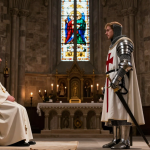
The Knights Templar was one of the most influential medieval orders, renowned for its combination of military prowess and religious dedication. Founded in the early 12th century, this organization played a critical role during the Crusades, providing not only combat strength but also spiritual guidance. Central to their success was a well-defined leadership structure that maintained order, discipline, and effective command across diverse regions and battlefields.
The leadership hierarchy of the Knights Templar was pivotal in shaping their operational effectiveness. Unlike many other groups of the era, the Templars developed a sophisticated hierarchy that allowed for clear lines of authority and responsibility. This leadership structure ensured that members were accountable to superiors who were experienced both in warfare and religious matters, blending the dual nature of the order as both monks and knights.
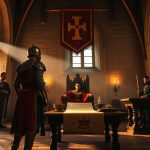
At the top of this hierarchy stood the Grand Master, the supreme leader responsible for the overall strategy and governance of the order. Beneath the Grand Master were various ranks such as the Seneschal, Marshal, and Commanders, each overseeing specific aspects of the organization, from logistics and military operations to financial affairs. This division of leadership helped the Knights Templar maintain discipline and effectiveness in complex and often chaotic medieval contexts.
Understanding the Knights Templar leadership structure offers a unique insight into how medieval orders operated successfully over large territories and diverse cultural landscapes. Their hierarchy was not only a mechanism for command on the battlefield but also a spiritual framework that reinforced their religious mission. This dual leadership approach made the Knights Templar a formidable force in medieval history, whose legacy in military and religious leadership continues to be studied and admired.
Origins and Purpose of the Hierarchy
The hierarchy origins of the Knights Templar leadership were deeply rooted in the need for a structured and disciplined organization. Established during the Crusades, the order recognized that a clear chain of command was essential to maintain order among its members, facilitate strategic decision-making, and efficiently manage their widespread operations across various territories. The primary purpose of the Templar leadership hierarchy was to ensure cohesion and unity, which was vital given the dual nature of the order as both a military and religious institution.
The Templar leadership purpose extended beyond mere supervision; it aimed at enforcing discipline, coordinating military campaigns, and overseeing administrative duties such as financial management and property control. Each level in the hierarchy had distinct responsibilities, which contributed to the overall organizational goals, including the protection of pilgrims, defense of the Holy Land, and accumulation of resources to sustain their mission. This hierarchical system promoted accountability and allowed the order to function effectively despite the challenges of operating in multiple regions.
In essence, the establishment of the leadership hierarchy was a strategic move to align the knights’ spiritual dedication with their military objectives. The hierarchical structure enabled the Knights Templar to pursue their organizational goals with discipline and resolve, ensuring the order’s longevity and success during a turbulent historical period.
Key Leadership Roles in the Knights Templar
The leadership structure of the Knights Templar was organized with clearly defined roles, each carrying distinct responsibilities and authority. At the pinnacle of this hierarchy stood the Grand Master, followed by other crucial figures such as the Marshal and the Preceptors, who managed different aspects of the order’s operations and governance.
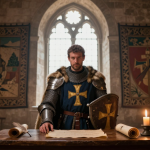
The Grand Master was the supreme leader of the Templar order, holding the highest authority in both military and administrative matters. This position was not only prestigious but also carried immense responsibility. The Grand Master oversaw all Templar activities, led the organization in battles, and represented the order in political and diplomatic affairs. His decisions were final, and he was considered the spiritual and strategic guide for the entire order.
Directly beneath the Grand Master was the Marshal, a key leader responsible for the military aspects of the Templar order. The Marshal’s duties included organizing troops, training knights for combat, and ensuring the order’s defenses were robust. During wartime, the Marshal took charge of battlefield strategy and troop deployment. His role was vital in maintaining the Templars’ reputation as formidable warriors and skilled strategists.
Preceptors, also known as Commanders in some regions, were leaders entrusted with managing individual Templar estates or preceptories. These leaders controlled the economic resources, local military forces, and administrative operations within their areas. Preceptors ensured that the estates provided adequate support to the order’s broader mission, including financial backing and recruitment of new members. They reported directly to the Grand Master and played a significant role in the decentralized management of this widespread organization.
Together, these Templar leaders maintained a balance of power and efficiency within the Knights Templar. The Grand Master provided overarching direction and authority, the Marshal ensured military preparedness, and the Preceptors managed territorial and economic resources. This structured leadership hierarchy was crucial to the order’s ability to operate effectively across multiple countries and endure through turbulent historical periods.
The Grand Master
The Grand Master held the highest rank within the Knights Templar and served as the supreme commander of the order. As the leader of all knights templar, the Grand Master bore the immense responsibility of overseeing every aspect of the organization, from military campaigns to administrative affairs. This pivotal role required not only exceptional leadership skills but also a deep commitment to the order’s spiritual and martial ideals.
The selection of the Grand Master was a solemn and highly confidential process. He was elected by the order’s senior knights through a secretive voting procedure conducted within the General Chapter, the governing council of the Templars. Candidates for the position were usually drawn from the most experienced and respected members who had demonstrated steadfast loyalty and strategic acumen. Once chosen, the Grand Master held office for life, symbolizing continuity and stability within the order.
Among the Grand Master’s primary duties was commanding the military forces during crusades and battles, directing strategic operations, and ensuring the safety and discipline of the knights templar. Additionally, he managed the order’s vast economic resources, including land holdings, fortresses, and financial assets. As the spiritual head, the Grand Master also upheld the religious commitments of the Templars, guiding their adherence to the strict codes of conduct and monastic vows. Ultimately, the Grand Master was both a revered leader and the vital axis around which the entire order revolved.
Other Principal Officers
In the leadership hierarchy of the Knights Templar, several key officers played vital roles beyond the Grand Master and other primary commanders. Among these, the Marshal and the Preceptor stood out as essential contributors to the order’s military and administrative effectiveness.
The Marshal was chiefly responsible for the command and organization of the Templar forces during battle. Acting as the order’s chief military officer, the Marshal oversaw the training of knights, managed logistics related to weaponry and supplies, and coordinated troop movements on the battlefield. Their strategic expertise and leadership ensured the Templar knights could perform effectively during campaigns, protecting the order’s interests and advancing their missions with discipline and precision.
The Preceptor, on the other hand, had a more administrative and regional authority. Typically assigned to specific commanderies or regions, the Preceptor managed the assets and affairs of the order’s estates in their area. They were responsible for both spiritual and temporal oversight, ensuring that the knights and brethren abided by the Templar rules and maintained the order’s properties and financial resources efficiently.
Advisor roles also emerged from these positions, as both the Marshal and Preceptor frequently consulted with the Grand Master and the council of the order. Their firsthand experience in military and estate management provided invaluable insights for strategic decision-making, reinforcing the strength and governance of the Knights Templar leadership structure.
Organizational Structure and Chain of Command
On the Our Strange Past channel, they cover the complete chain of command of the Knights Templar, which you can watch right here.
The Templar chain of command was a well-defined organizational structure that ensured efficient leadership and discipline within the order. At the top of the command hierarchy stood the Grand Master, who held supreme authority over all Templar activities worldwide. The Grand Master was responsible for strategic decisions, international coordination, and maintaining the spiritual and military integrity of the order.
Directly below the Grand Master was the Senior Council, consisting of key officers and advisors who assisted in governing the order. This council played a crucial role in planning campaigns, managing resources, and regulating internal matters. Their collective decisions were vital for the smooth operation of the diverse network that the Templars commanded.
The organizational structure then branched into regional leadership, where territory was divided into provinces or “priories,” each overseen by a Prior. The Prior acted as the regional commander responsible for upholding the order’s regulations, overseeing local knights, and managing estates and financial affairs within their jurisdiction. The efficiency of the Templar chain of command heavily relied on these Priors to execute the Grand Master’s directives at the local level.
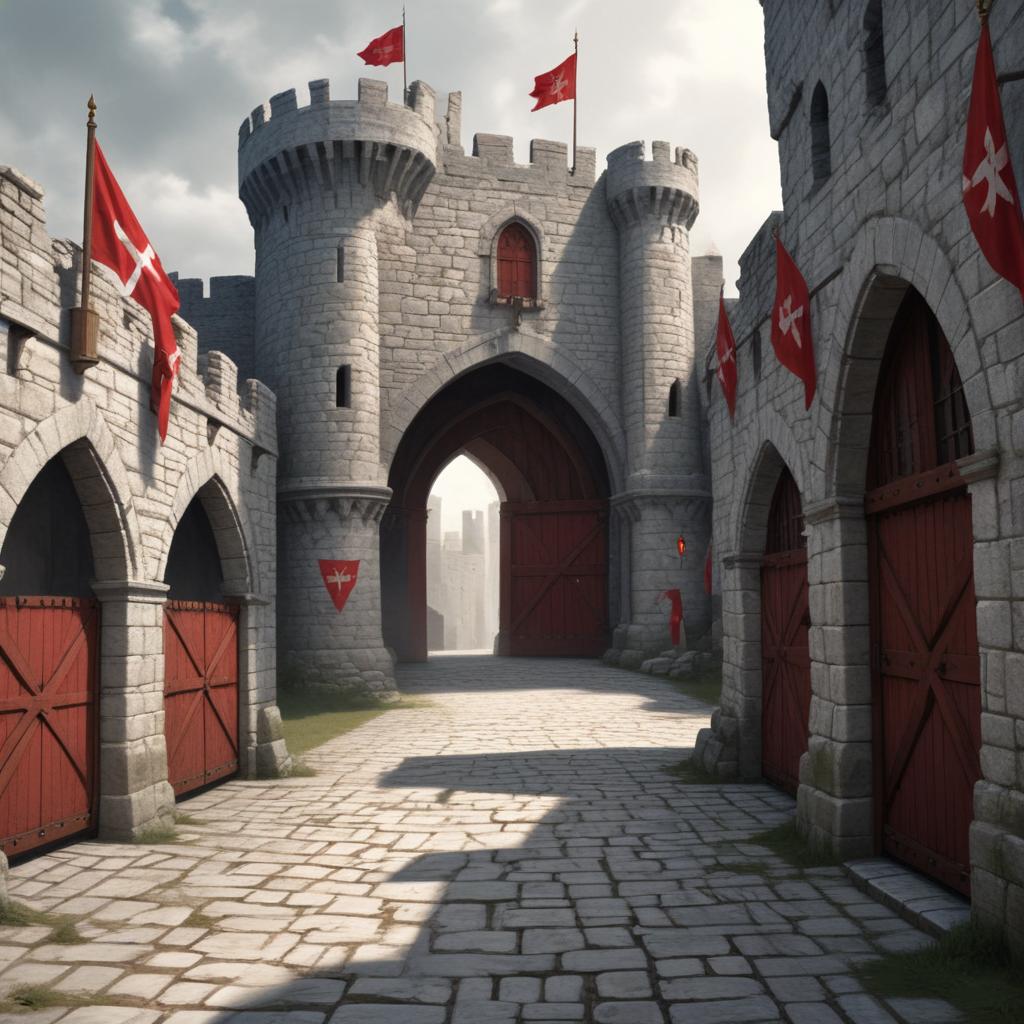
Folowing this, the order was further divided into smaller units led by Commanders, who managed individual castles, fortresses, or commanderies. Commanders supervised knights and sergeants, ensuring discipline, training, and readiness for military operations. They also coordinated local defense and handled administrative duties, providing a vital link between regional and local realms of control.
The command hierarchy was designed to maintain a strong presence and quick responsiveness across all levels. The clear chain of command—from the Grand Master down to regional Priors and local Commanders—helped maintain unity, order, and efficiency. This organizational structure not only facilitated their military campaigns but also strengthened their economic and political influence throughout medieval Europe and beyond.
Regional Commanders and Responsibilities
Regional commanders within the Knights Templar held significant authority and were pivotal in maintaining the order’s structure across various territories. Their role was to manage local leadership and ensure the smooth operation of the order’s activities within their designated geographical areas. By exercising territorial control, these commanders acted as the primary link between the central leadership and the individual knights stationed in their regions.
Each regional commander was responsible for enforcing the rules and directives issued by the higher ranks of the order while adapting them to the specific needs and circumstances of their territory. This often included overseeing the security of local Templar holdings, managing resources, and coordinating military efforts during times of conflict. Their leadership was crucial for maintaining discipline and unity among the knights under their supervision.
Moreover, regional commanders played a diplomatic role, engaging with local rulers and other influential figures to negotiate alliances, secure support, and enhance the order’s influence within their jurisdiction. Their ability to exercise effective regional control ensured that the Knights Templar remained a cohesive and formidable force across diverse and far-reaching lands.
Council and Decision-Making Processes
Within the Knights Templar leadership hierarchy, councils played a vital role in governance and decision making. These assemblies consisted of senior members who convened regularly to deliberate on essential matters affecting the order. The council’s primary function was to ensure coherent leadership decisions that aligned with the order’s values, strategic goals, and discipline standards.
The council served as a forum for collaborative decision making, allowing Templar leaders to discuss complex issues extensively before reaching consensus. This process enabled the order to maintain unity and order by balancing the perspectives of various high-ranking knights. Decisions made by the council influenced everything from military campaigns to administrative policies, reflecting the collective wisdom of the order’s trusted leaders.
Maintaining discipline within the hierarchy was another crucial aspect of the council’s role. It oversaw the enforcement of rules and codes of conduct, addressing internal conflicts and ensuring members adhered to their vows and responsibilities. Through its authoritative guidance, the council upheld the Templar governance structure, fostering a disciplined and orderly environment crucial for the order’s success and survival.
Ultimately, the council was the cornerstone of Templar governance, embodying the prudent decision making and strict discipline that defined the order. Its existence exemplified how collective leadership and structured assemblies could effectively maintain the strength and integrity of a complex medieval military and religious order.

I’ve always been fascinated by how societies and organizations shape history and everyday life. Writing about the interplay between cultural movements and institutional structures lets me explore the stories that connect past and present. I love digging into archives and sharing insights that help readers understand our collective journey.