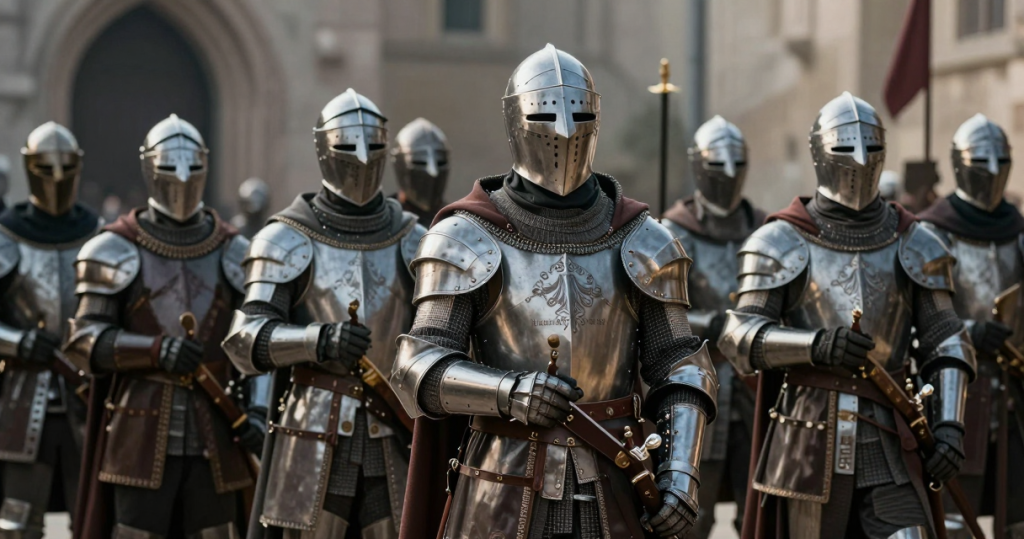
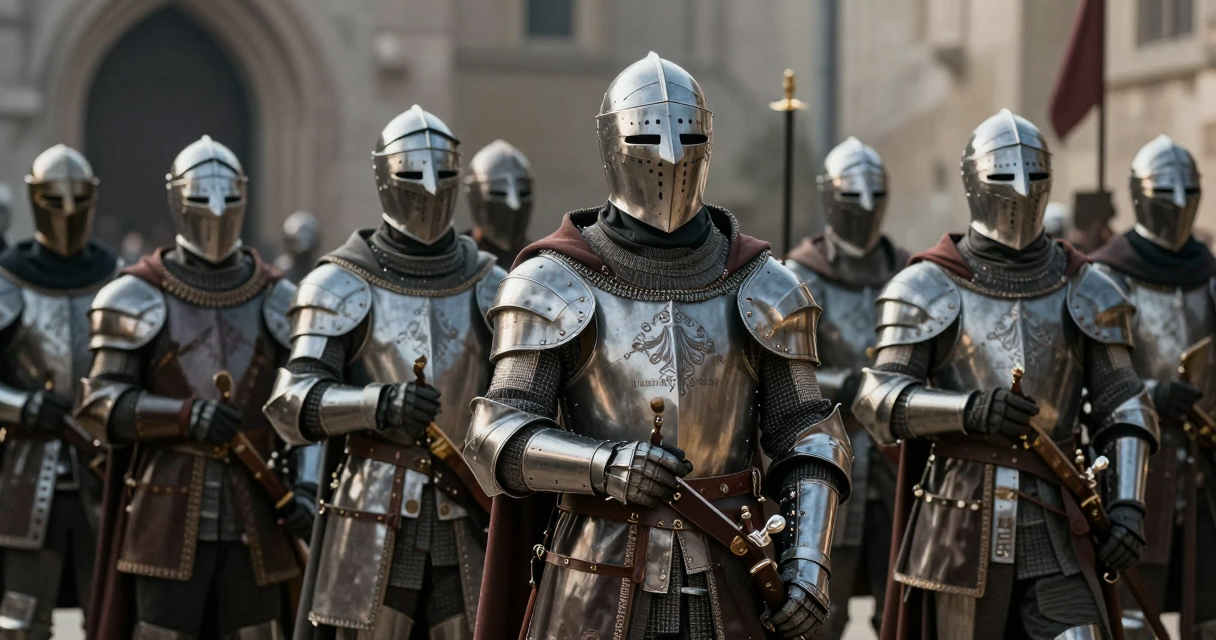
The Knights Templar, officially known as the Poor Fellow-Soldiers of Christ and of the Temple of Solomon, emerged in the early 12th century during the Crusades. This monastic military order became renowned not only for their role in the religious wars but also for their strict code of honor and chivalry. The principles that guided these knights shaped their identity and influenced European society, forming a legacy that continues to captivate historians and enthusiasts alike. This article explores the code of honor upheld by the Knights Templar, examining its historical context, significance, and lasting impact on modern organizations and societies.
The Origins of the Knights Templar
The Knights Templar were founded in 1119 by Hugues de Payens and eight other knights, initially aimed at protecting Christian pilgrims traveling to the Holy Land. Their mission quickly evolved as they began to acquire wealth and land, leading to their establishment as a powerful military and financial institution. The Templars adopted a monastic lifestyle, combining the vows of poverty, chastity, and obedience with the martial skills necessary for warfare. This unique blend of religious devotion and military prowess set the stage for a distinctive code of honor that emphasized both spiritual and physical discipline.
Initially, the Knights Templar operated under the auspices of the Catholic Church, gaining official recognition from Pope Honorius II in 1129. This endorsement led to the establishment of the Templars’ unique status, allowing them to operate independently of local authorities. Their rapid growth in influence was accompanied by a strict adherence to a code of conduct that defined their actions both on and off the battlefield, reflecting their commitment to their mission and their faith.
The Code of Chivalry
The Knights Templar were instrumental in shaping the concept of chivalry during the Middle Ages. The code of chivalry was a set of unwritten rules governing the behavior of knights, emphasizing virtues such as bravery, loyalty, honor, and respect for women and the church. For the Templars, this code was not merely a guideline but a sacred commitment that dictated their interactions with others and their approach to warfare. They were expected to embody the ideals of knighthood, which included protecting the innocent and serving their faith with unwavering dedication.
Central to the Templar code was the idea of loyalty, both to God and to their fellow knights. This loyalty extended beyond personal relationships and was a reflection of their collective duty to protect Christendom. The Templars were known for their unwavering courage in battle, often facing overwhelming odds with a steadfast resolve that became legendary. Their code demanded that they fight not for personal glory but for the greater good, reinforcing the importance of humility and service.
Spiritual and Moral Obligations
In addition to their martial responsibilities, the Knights Templar were bound by a spiritual code that required them to maintain a strong connection with their faith. Daily prayers and religious observances were integral to their lives, reinforcing their commitment to God. The Templars believed that their military endeavors were divinely sanctioned, and this belief fueled their determination in battle. Their spiritual obligations also included acts of charity, as they were expected to care for the poor and support the church, reflecting the Christian values at the core of their mission.
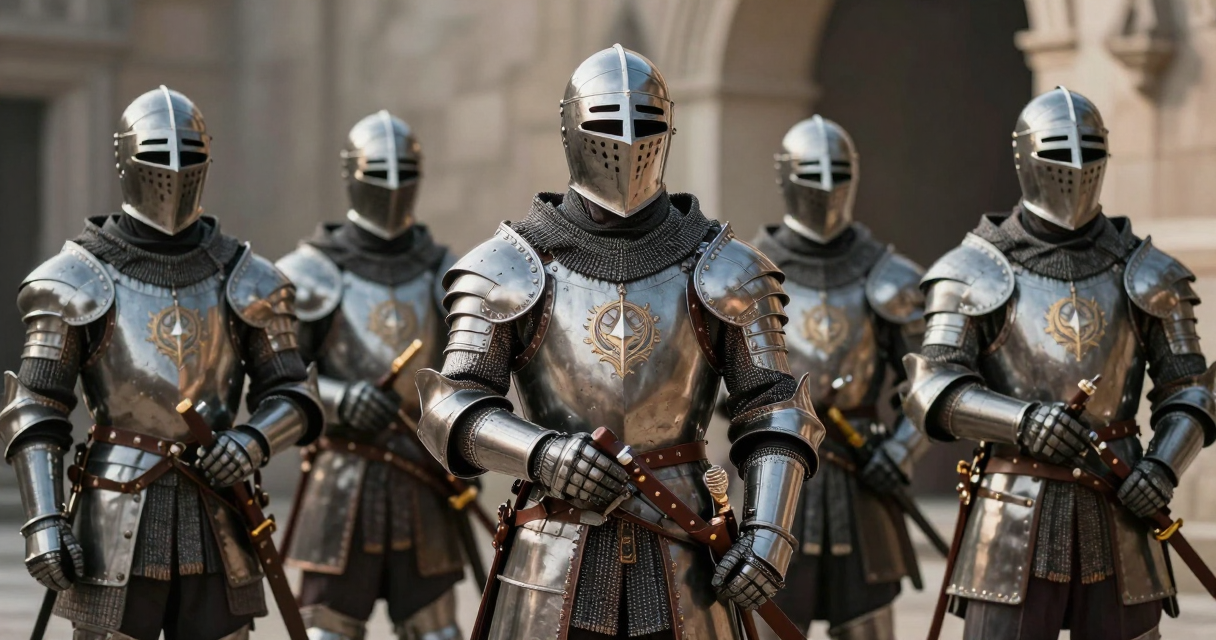
The Templar’s moral code also emphasized the importance of justice and fairness. They were expected to conduct themselves honorably in all dealings, whether in war or in peace. This commitment to ethical behavior not only enhanced their reputation but also fostered a sense of community among the knights. The Templars’ dedication to their spiritual and moral obligations set them apart from other military orders of the time, establishing a model that influenced future generations of knights and soldiers.
The Trials and Tribulations
Throughout their history, the Knights Templar faced numerous challenges that tested their code of honor. The fall of the Crusader states in the late 13th century marked a significant turning point for the order. As the military successes dwindled, the Templars became targets of suspicion and envy. Their wealth and influence made them vulnerable to political machinations, culminating in their dramatic downfall in the early 14th century.
The arrest of Templar leaders in 1307 by King Philip IV of France, under charges of heresy and corruption, was a pivotal moment in their history. The subsequent trials, characterized by forced confessions and brutal torture, sought to dismantle the order and seize their assets. Despite the turmoil, many Templars remained loyal to their code, facing persecution with dignity and steadfastness. Their commitment to honor, even in the face of adversity, is remembered as a defining characteristic of the Knights Templar.
The Legacy of the Knights Templar
The legacy of the Knights Templar extends far beyond their military endeavors and tragic demise. Their code of honor, rooted in principles of chivalry, loyalty, and spirituality, has influenced countless organizations throughout history. The ideals of the Templars resonate in modern concepts of honor and duty, inspiring contemporary groups that seek to embody similar values. Many fraternal organizations and chivalric orders today draw upon the Templar tradition, emphasizing the importance of ethical conduct and service to others.
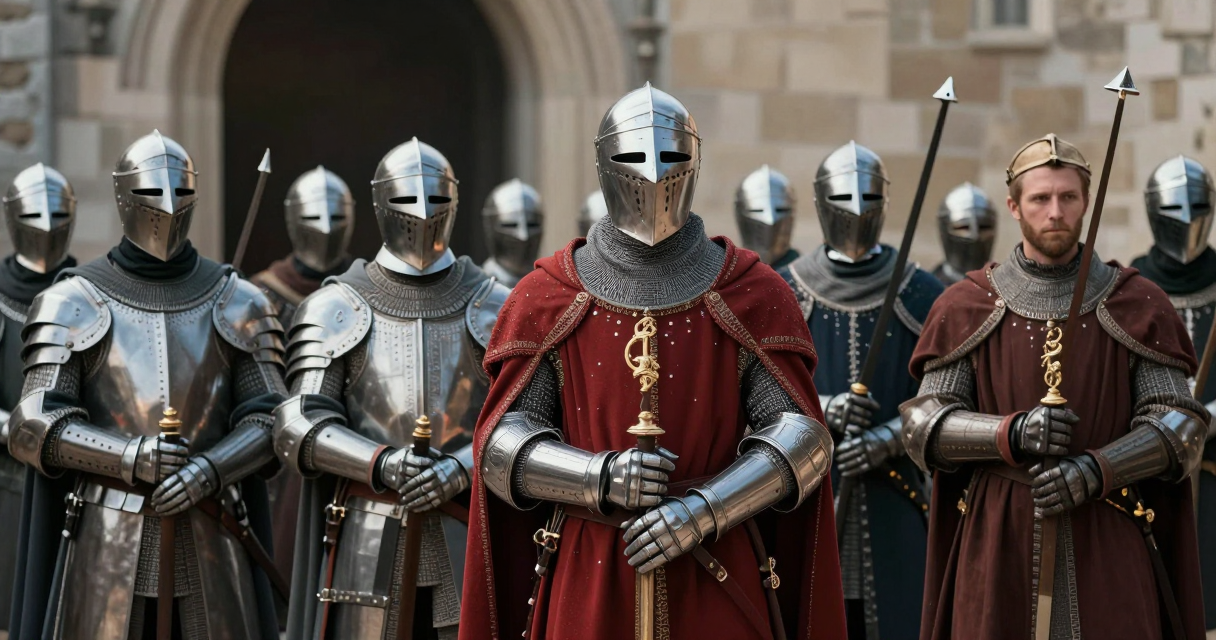
Moreover, the romanticized image of the Templars in literature, film, and popular culture continues to captivate the imagination. Their story has inspired countless narratives, portraying them as noble warriors fighting for justice and righteousness. This enduring fascination reflects society’s ongoing quest for ideals of honor and virtue, making the Knights Templar a symbol of chivalric values that persist across centuries.
Modern Interpretations of the Templar Code
In recent years, there has been a resurgence of interest in the Knights Templar and their code of honor. Various organizations, including modern chivalric orders and fraternal societies, have sought to revive the principles that guided the Templars. These groups emphasize community service, ethical leadership, and the promotion of justice, echoing the Templar commitment to uphold their values in contemporary society.
Furthermore, the Knights Templar have become a source of inspiration for individuals seeking to navigate the complexities of modern life with integrity and purpose. Many people look to the Templar code as a framework for personal development, striving to embody the virtues of courage, loyalty, and service in their daily lives. This modern interpretation of the Templar legacy illustrates the timeless relevance of their principles, demonstrating how the code of honor can guide individuals in their pursuit of a meaningful and ethical existence.

I’ve always been fascinated by how societies and organizations shape history and everyday life. Writing about the interplay between cultural movements and institutional structures lets me explore the stories that connect past and present. I love digging into archives and sharing insights that help readers understand our collective journey.