The Knights Templar, a medieval Christian military order founded in the early 12th century, have long been shrouded in mystery and intrigue. Their role in the Crusades and their subsequent rise to power made them influential figures in medieval society, particularly among the noble families of Europe. Understanding the connection between the Knights Templar and these noble families reveals much about the social, political, and economic dynamics of the time. This article explores the intricate relationships between the Templars and the aristocracy, their shared interests, and the lasting impact of these connections on European history.
The Formation of the Knights Templar
The Knights Templar were established around 1119, initially tasked with protecting Christian pilgrims traveling to the Holy Land. Founded by Hugues de Payens and a small group of knights, the order quickly gained recognition for their military prowess and unwavering commitment to their cause. By the mid-12th century, the Templars had expanded their influence significantly, acquiring vast tracts of land and wealth through donations from noble families eager to support their mission. This early relationship fostered a symbiotic bond, where the Templars provided military protection while the nobility gained prestige and spiritual merit through their association with the order.
The Templars’ establishment as a religious order allowed them to attract support from various noble families across Europe. Many aristocrats saw the Templars as a means to secure their legacy, often bequeathing land and resources to the order upon their death. This practice not only enhanced the Templars’ wealth and power but also reinforced the social status of the families involved, as their contributions were viewed as acts of piety and devotion to the Christian faith.
Noble Families and Their Contributions
The bond between the Knights Templar and feudal society was rooted in mutual benefit, far beyond mere transactions. Prominent families such as the de Montforts, the Plantagenets, and the de Lusignans were among those who generously supported the Templars, granting them land, money, and political influence. The de Montfort family, for instance, was instrumental in the Templars’ expansion in England, offering both military support and financial resources to bolster their operations.
The Role of Templar Land Holdings
Land ownership was a critical factor in the power dynamics of medieval Europe, and the Knights Templar were among the largest landholders of their time. Through donations and strategic acquisitions, the Templars amassed extensive estates across Europe, particularly in France, England, and the Iberian Peninsula. These properties not only generated significant revenue for the order but also served as a base for their military operations during the Crusades.
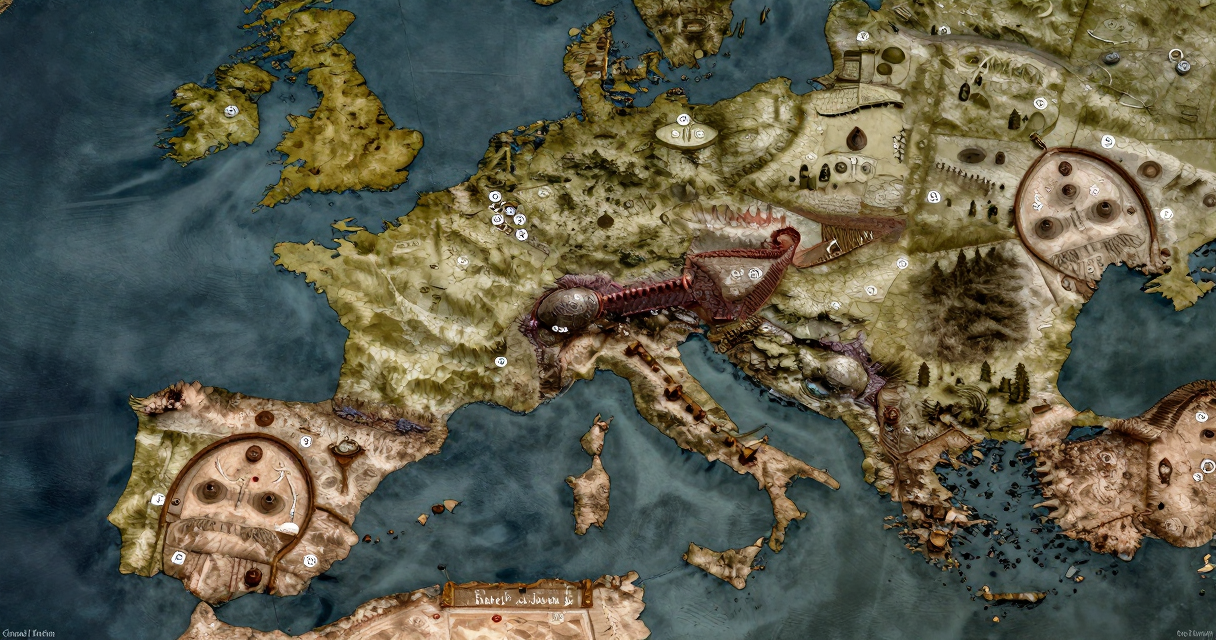
The vast land holdings of the Templars created a network of influence that intertwined with the aristocracy. Noble families often found themselves in a position where they relied on the Templars for military support and protection of their interests. In return, the Templars benefited from the nobility’s resources and connections, allowing them to maintain their status and power. This relationship was particularly evident during the Crusades, where Templar estates served as logistical hubs for noble families participating in military campaigns.
The Templars’ Influence on Noble Politics
The Knights Templar played a significant role in the political landscape of medieval Europe, often acting as advisors and mediators for noble families. Their vast networks and connections allowed them to influence political decisions, particularly regarding matters related to the Crusades and the defense of Christendom. Noble families frequently sought the counsel of Templar leaders, recognizing their expertise in military strategy and their understanding of the complex political dynamics at play.
The Decline of the Knights Templar and Its Impact on Noble Families
The decline of the Knights Templar began in the early 14th century, culminating in their suppression by King Philip IV of France in 1307. This event marked a significant turning point for both the order and the noble families associated with them. Many noble families who had previously supported the Templars found themselves in precarious positions, as their connections to the order became a liability. Accusations of heresy and corruption leveled against the Templars tarnished the reputations of those who had aligned themselves with the order.
The Legacy of the Knights Templar in Noble Lineages
Despite their dissolution, the legacy of the Knights Templar endured within the noble families of Europe. Many aristocratic lineages continued to honor their connections to the order, often incorporating Templar symbols and ideals into their family crests and traditions. The values of chivalry, loyalty, and dedication to faith espoused by the Templars became integral to the identity of these noble families, influencing their actions and decisions for generations.

I’ve always been fascinated by how societies and organizations shape history and everyday life. Writing about the interplay between cultural movements and institutional structures lets me explore the stories that connect past and present. I love digging into archives and sharing insights that help readers understand our collective journey.