Historical Overview of the Knights Templar in Europe
The Knights Templar history begins in the early 12th century, amidst the fervor of the Crusades that swept across medieval Europe. Founded around 1119 by a small group of knights led by Hugues de Payens, the order’s original purpose was to protect Christian pilgrims traveling to the Holy Land. Their inception was modest, but it quickly gained momentum, driven by the urgent need for security and the religious zeal of the era.
During the height of medieval Europe, the Knights Templar rose rapidly in both wealth and influence. Their prominent role in the Crusades—military campaigns sanctioned by the Church to reclaim Jerusalem and other sacred sites—cemented their reputation as fierce and disciplined warriors. Beyond the battlefield, the Templars developed a network of fortifications and commanderies throughout Europe and the Levant, enhancing their strategic importance.
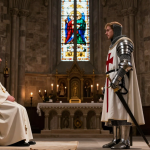
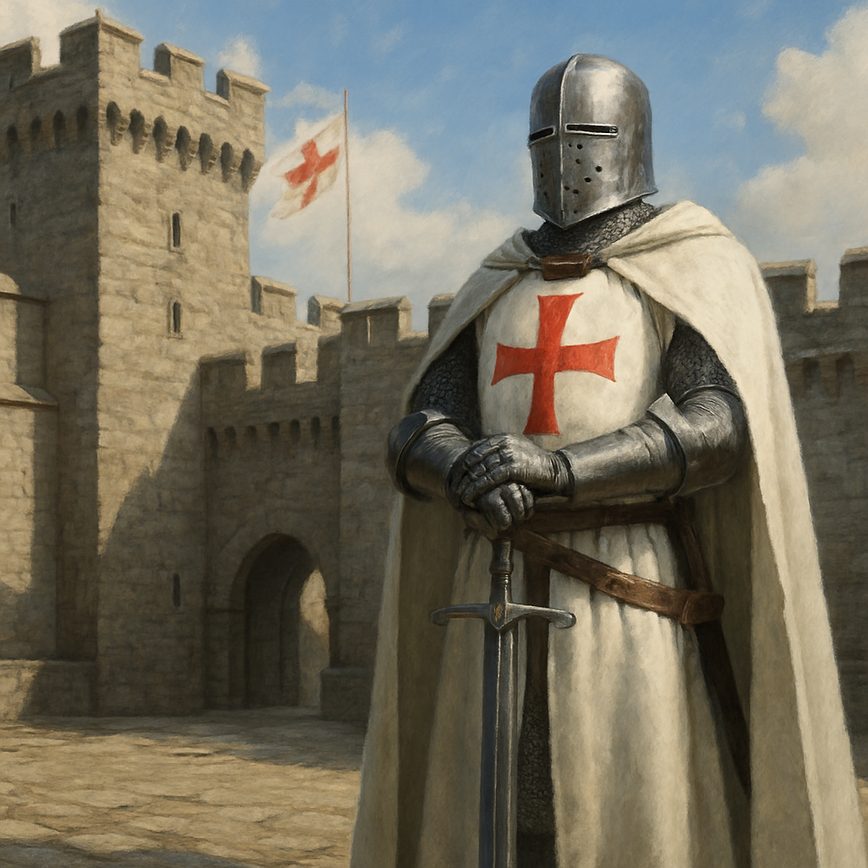
The Templar origins are closely linked to the complex interplay between religious conviction and political power. The order took monastic vows of poverty, chastity, and obedience, balancing their identity as monks and soldiers. Their distinctive white mantles adorned with a red cross became symbols of their commitment and valor. Over time, their influence extended beyond the Holy Land as they became powerful landowners, financiers, and advisors to monarchs across Europe.
Relationship with European monarchies was pivotal to their success. Kings and queens often granted the Knights Templar extensive privileges, including tax exemptions and autonomy from local laws, in exchange for military assistance and financial services. The Templars’ adeptness at banking, including safeguarding valuables and offering loans, allowed them to act as early financiers, lending funds to nobility and monarchs alike, which increased their political leverage.
Through their military engagements, economic activities, and close ties with European rulers, the Knights Templar embodied a unique synthesis of religious fervor and pragmatic influence. Their legacy in medieval Europe is marked by both their crucial role in the Crusades and their impact on the social and political fabric of the time, leaving an enduring imprint on history that continues to captivate scholars and enthusiasts alike.
Foundation and Early Growth
The foundation of the Knights Templar dates back to the early 12th century, rooted in the turbulent period of the Crusades. The order was established around 1119 by a small group of knights led by Hugh de Payens, a French nobleman. Their initial purpose was to protect Christian pilgrims traveling to the Holy Land, which had become a perilous journey due to frequent attacks by bandits and hostile forces. This mission marked the beginning of the Templar foundation as a religious and military organization.
The early history of the Knights Templar is closely tied to their unique role as warrior monks, combining monastic vows with martial responsibilities. Their establishment was soon recognized and supported by the Church, notably gaining the backing of Bernard of Clairvaux. This endorsement helped formalize their status and attract more members dedicated to their cause. The order’s distinctive white mantles adorned with a red cross symbolized their commitment to both faith and chivalry.
During the initial years, the Knights Templar focused on securing key routes and fortifying strategic locations. Their disciplined structure and unwavering dedication quickly elevated their prominence throughout Europe and the Crusader states. The Templar foundation and early growth period laid the groundwork for what would become one of the most powerful and influential knightly orders in medieval history, shaping the legacy of the Knights establishment for centuries to come.
Role in the Crusades
The Knights Templar played a pivotal role in the Crusades, combining military prowess, religious dedication, and political influence in the struggle to secure and maintain Christian control over the Holy Land. As an elite order of warrior monks, their military role was crucial in numerous battles and fortifications throughout the Crusader states. They were highly trained knights who not only fought on the front lines but also managed strategic castles and strongholds, serving as a backbone in the defense against Muslim forces.
Beyond their military contributions, the Templar Crusades bore a deeply religious significance. The order was founded to protect Christian pilgrims traveling to sacred sites in Jerusalem and other key locations in the Holy Land. Their mission was deeply intertwined with the spiritual goal of reclaiming and safeguarding Christian holy places, reinforcing their status as both soldiers and monks under the Church’s direct authority.
Politically, the Knights Templar wielded considerable influence. They acted as trusted advisors to kings and nobles involved in the Crusades, and their extensive network of financial resources and fortresses allowed them to impact decisions affecting the region’s stability. Their presence helped shape the geopolitical landscape of the Crusader states, balancing both martial and diplomatic duties. Ultimately, the legacy of the Templar Crusades remains integral to the history of the Crusades and the enduring mystique of the Holy Land.
Relations with European Monarchies
The Knights Templar maintained complex relations with European monarchies, marked by both strong alliances and occasional conflicts. Throughout the Crusades, the Templar royal support was crucial in securing funding, military assistance, and political backing from various European kings. Monarchs valued the Templars not only as elite warriors but also as a powerful and loyal ally in advancing their own territorial and religious goals. This cooperation often translated into formal political alliances where Templars served as trusted advisors and military commanders under the banners of kings and princes.
However, the relationship was not without tension. Some European royal families viewed the autonomous power and wealth accumulated by the Templars with suspicion, leading to political strife. The balance between mutual benefit and rivalry played out differently depending on the region and the reigning monarch’s disposition. While in some kingdoms Templars enjoyed privileges and exemptions granted by kings, in others they faced restrictions or outright hostility due to fears of their influence overshadowing the crown’s authority.
Despite these challenges, the Knights Templar’s alliances with European kings significantly shaped medieval political landscapes. Their involvement in diplomatic and military affairs underscored the importance of trusted alliances in maintaining power. The legacy of Templar royal support is evident in their lasting impact on European political dynamics, highlighting a delicate balance between cooperation and conflict that defined their role within medieval governance.
Architectural and Cultural Legacy of the Knights Templar
The Knights Templar left a profound architectural and cultural legacy throughout Europe that continues to captivate historians and enthusiasts alike. Known for their distinctive Templar architecture, the order constructed numerous castles, fortresses, and commanderies that not only served military and administrative functions but also showcased innovative medieval building techniques. These structures, often strategically located, exemplify the combination of defensive robustness and symbolic design which characterized much of medieval castle construction.
Templar castles such as the imposing Château de Chinon in France and the robust fortress of Tomar in Portugal highlight the order’s architectural ingenuity. These castles were typically marked by thick walls, rounded arches, and compact layouts, designed to withstand sieges and provide secure centers of power. Many commanderies – the administrative hubs of the Templars – dotted the European landscape and facilitated the order’s activities across various regions, reflecting a standardized yet practical approach to institutional architecture during the medieval period.
Aside from their physical structures, the Knights Templar exerted a significant cultural influence that shaped European heritage beyond military contexts. Their presence contributed to the diffusion of ideas and customs across the continent, linking diverse regions through a network of fellowships and shared religious-military ideals. The Templars’ reputation for discipline, piety, and dedication left an imprint on medieval culture, inspiring literature, art, and folklore that still resonate today.
The architectural feats of the Templars also reflect their role in the broader cultural and historical developments of medieval Europe. Their castles and commanderies often became centers of local economic activity and social life, integrating the Templars into the fabric of European society. The legacy of Templar architecture is therefore not only of military and religious significance but also a testament to their enduring impact on European cultural heritage, symbolizing a fusion of practicality, spirituality, and artistic expression during the Middle Ages.
Templar Castles and Fortifications
| Castle/Fortress | Design Features | Strategic Importance | Preservation Status |
|---|---|---|---|
| Château Pèlerin (Atlit, Israel) | Massive walls, concentric defense, water cisterns | Coastal defense and control of key trade routes | Partially preserved ruins open to visitors |
| Tomar Castle (Portugal) | Romanesque and Gothic architecture with a keep and fortified walls | Stronghold for Templar operations in Iberia | Well-preserved; now a historical monument and museum |
| Villeselve Commandery (France) | Square fortress with chapel, living quarters, and defensive towers | Regional administrative center and defense point | Preserved with some restoration works |
| Temple Church (London, England) | Round nave, symbolic military-religious design | Spiritual center and base near City of London | Well-maintained and active place of worship |
The Templar fortresses across Europe were built with advanced castle architecture, emphasizing robust military design to withstand sieges and control strategic points. Their designs combined functionality and symbolism, often incorporating chapels within fortifications to represent their dual role as warriors and monks. These castles not only served as defensive bastions but also as administrative and logistic hubs, showcasing the order’s influence across the continent. Preservation status varies, but many have been restored and remain important historical and tourist sites, offering insight into medieval military engineering and Templar legacy.
Symbols and Cultural Influence
The Knights Templar left a profound symbolic legacy, most notably through their distinctive cross emblem, which has endured as a powerful symbol of mysticism and chivalry. The red cross worn on their white mantles became synonymous with the order’s dedication, sacrifice, and perceived divine protection. This emblem not only represented their commitment during the Crusades but also embedded itself deeply into European cultural consciousness.
Beyond their emblem, Templar symbols have influenced European folklore and popular imagination, weaving into tales of secret knowledge, hidden treasures, and mystical powers. The order’s reputed connection to esoteric wisdom and their dramatic downfall captivated storytellers and historians alike, sparking myths that blend historical fact with legend. These narratives often feature themes of mystery and occultism, reinforcing the cultural impact of Templar symbols in shaping perceptions of European mysticism.
Culturally, the Knights Templar have inspired numerous artistic and literary works across Europe, symbolizing both the heroic knight and the enigmatic guardian of sacred secrets. Their symbolism transcends time, influencing everything from medieval art and architecture to modern literature and film, where Templar legends continue to evoke intrigue and fascination. This enduring fascination highlights how deeply Templar symbols and their cultural impact are embedded in the collective European folklore.
The Decline and Enduring Mystique of the Knights Templar
The downfall of the Knights Templar remains one of the most intriguing chapters in medieval history. The once-powerful military order faced a sudden and dramatic collapse primarily due to a mix of political maneuvering, financial envy, and allegations aimed at their secretive nature. King Philip IV of France, deeply indebted to the Templars, orchestrated their abrupt arrest on October 13, 1307, under charges ranging from heresy and blasphemy to corruption and moral depravity during the infamous trials that followed.
These accusations, though largely believed to have been fabricated, provided the necessary pretext for King Philip to seize the Templars’ vast wealth and land holdings. The trial and subsequent dissolution of the order in 1312 by Pope Clement V marked the official end of their powerful institution. However, the rapid and secretive nature of their eradication only fueled speculation and enduring myths about their supposed hidden knowledge and clandestine activities, rather than a straightforward downfall caused by political suppression and financial greed.
Despite their disbandment, the legacy of the Knights Templar continued to captivate imaginations across centuries. Myths surrounding the order’s supposed guardianship of sacred relics, secret rites, and treasure troves became deeply embedded in popular culture. Such legends have been perpetuated in literature, film, and conspiracy theories, blending historical facts with layers of fictional embellishment that blur the line between reality and myth.
Modern fascination with the Knights Templar stems not only from their medieval military prowess and mysterious end but also from their symbolic presence in various fraternal organizations and esoteric traditions today. Their story has been transformed into a cultural touchstone for themes of loyalty, secrecy, and intrigue, keeping their memory alive far beyond their historical demise. Consequently, the Templar downfall transcends mere historical event status—it has evolved into a timeless narrative that continues to inspire curiosity and debate.
Arrest, Trials, and Dissolution
The dramatic downfall of the Knights Templar began in the early 14th century with the infamous Templar arrest on October 13, 1307. King Philip IV of France, deeply in debt to the order and eager to consolidate power, orchestrated a coordinated roundup of Templar members across his realm. Under his influence, Pope Clement V reluctantly sanctioned the suppression of the order, marking a turning point in Templar history.
Following their arrest, the Templars were subjected to extensive trials often marred by torture and forced confessions. The charges against them ranged from heresy and blasphemy to financial corruption and secret rituals, many of which remain disputed by historians. Despite their influential position and widespread support, the trials steadily eroded the order’s standing, culminating in a series of denunciations that weakened their defenses both politically and spiritually.
In 1312, under intense pressure from King Philip IV and facing widespread condemnation, Pope Clement V officially dissolved the Knights Templar at the Council of Vienne. The order’s vast assets and properties were mostly transferred to the Knights Hospitaller, while many former Templars were imprisoned or executed. The suppression ended a powerful chapter of medieval history, but tales of the Templars’ legacy and mystery continue to captivate the imagination to this day.
Legend and Modern Legacy
The Knights Templar continue to capture the imagination through a wealth of Templar legends and popular myths that have persisted over centuries. These stories often paint the Templars as keepers of profound secrets, including lost treasures and hidden knowledge, sparking numerous conspiracy theories that weave them into the fabric of secret societies. Such theories propose that the Templars survived their official persecution to influence modern events covertly.
In modern culture, the Knights Templar have been prominently featured in books, movies, and video games, helping to maintain and expand their mystique. Fictional accounts frequently blend historical facts with adventurous fiction, portraying the Templars as noble warriors and guardians of esoteric wisdom. Popular works like Dan Brown’s novels have cemented their place in contemporary storytelling, intertwining Templar myths with puzzles and ancient mysteries.
Moreover, several contemporary organizations claim lineage or inspiration from the original Knights Templar, fueling ongoing interest in secret societies. These groups often use Templar symbols and rituals, enhancing the aura of mystery surrounding the order. The enduring fascination with the Knights Templar demonstrates how their legacy extends beyond history into the realms of legend and cultural identity.

I’ve always been fascinated by how societies and organizations shape history and everyday life. Writing about the interplay between cultural movements and institutional structures lets me explore the stories that connect past and present. I love digging into archives and sharing insights that help readers understand our collective journey.