The Knights Templar, an organization founded during the Crusades, is steeped in rich history, traditions, and rituals that continue to fascinate historians and enthusiasts alike. Established in the early 12th century, this medieval order was created to protect Christian pilgrims traveling to the Holy Land. As the Templars grew in power and wealth, they developed a complex set of customs and practices that reflected their unique identity and mission. This article explores the various traditions and rituals of the Knights Templar, shedding light on their significance in the context of society, organization, and history.
The Founding Principles of the Knights Templar
The Knights Templar were established in 1119, founded by Hugues de Payens and a small group of knights. Their primary mission was to ensure the safety of pilgrims traveling to Jerusalem. This noble cause was underpinned by a strict code of conduct and a commitment to the Christian faith. The Templars adopted the Rule of St. Augustine, emphasizing poverty, chastity, and obedience. These principles guided their daily lives and shaped their interactions both within the order and with the broader society. The combination of military prowess and monastic discipline allowed the Templars to create a unique identity that blended spirituality with martial duty.
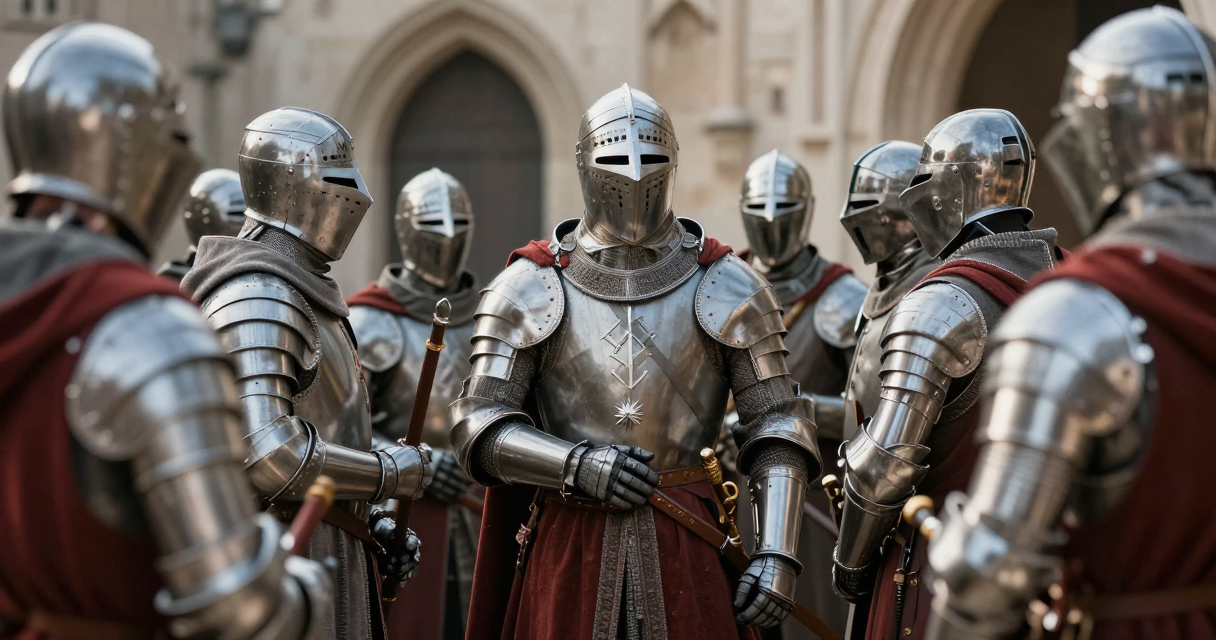
The Templar motto, “Non nobis, Domine, non nobis, sed nomini tuo da gloriam” translates to “Not to us, Lord, not to us, but to your name give glory.” This phrase encapsulated their dedication to serving God and the Church, reinforcing their role as protectors of Christendom. The Templars’ commitment to their founding principles not only established their reputation but also set the stage for the rituals and traditions that would follow.
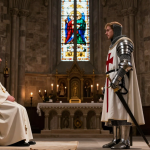
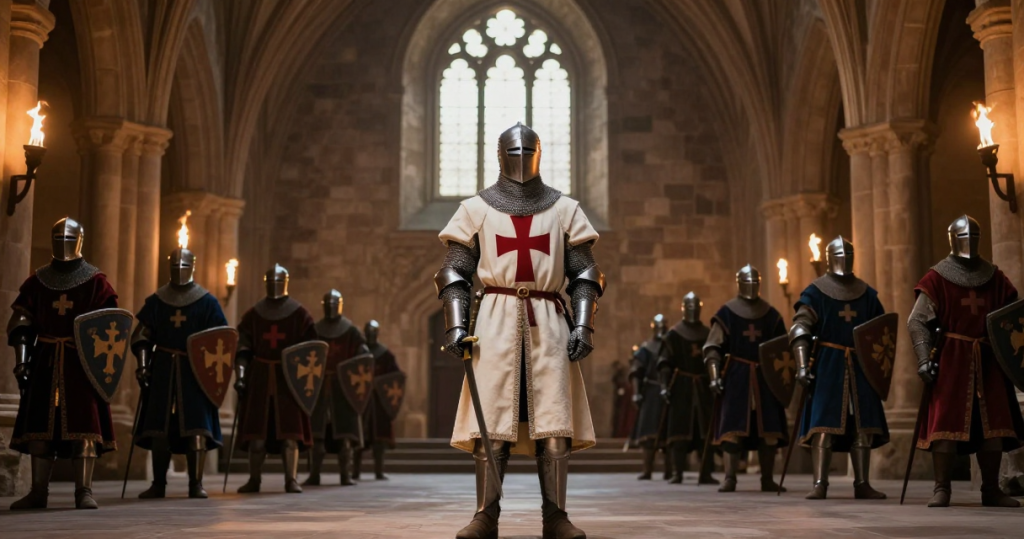
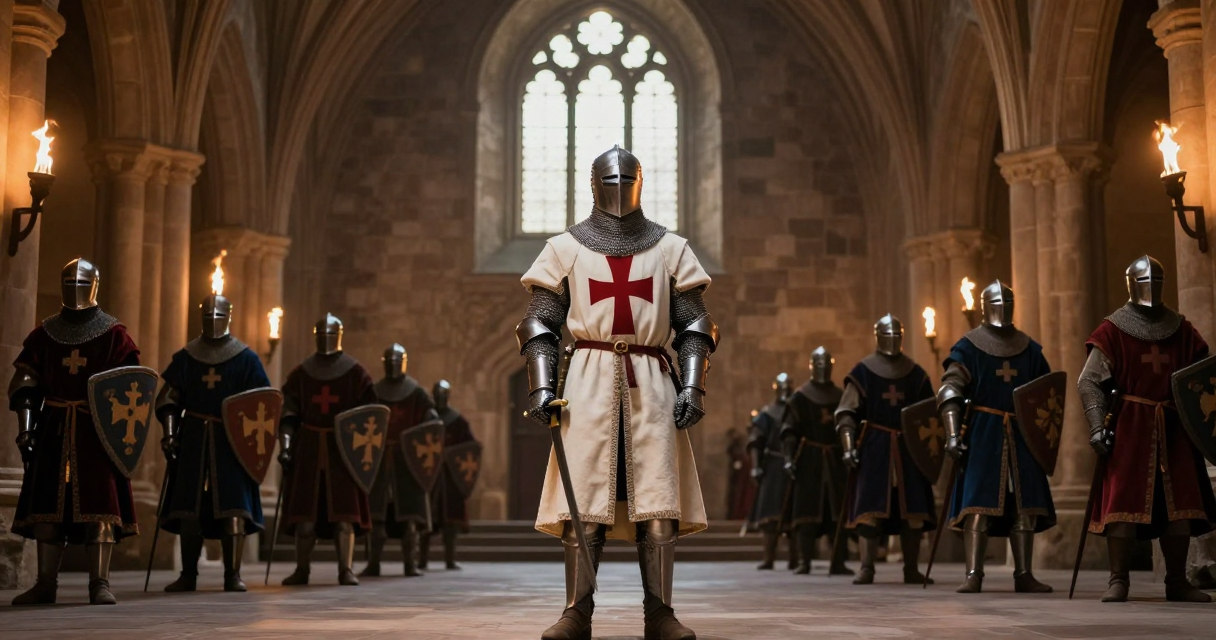
Initiation into the Knights Templar was a significant event, steeped in symbolism and tradition. New members underwent a rigorous process that began with a period of probation, during which they demonstrated their commitment to the order’s values. The actual initiation ceremony involved a series of rituals designed to instill a sense of brotherhood and shared purpose among the knights. These rituals often included the donning of the Templar mantle, a white cloak with a red cross, symbolizing their readiness to fight for the faith.
The ceremony typically took place in a chapel, where the initiate would take vows of poverty, chastity, and obedience. The ritual included the presentation of the sword, signifying the knight’s readiness to defend the faith. This act was not merely symbolic; it reinforced the idea that each knight was a soldier of Christ, tasked with a divine mission. The initiation rituals helped create a strong bond among members, fostering loyalty and commitment to the order’s objectives.
Chapters, or local Templar communities, often featured a chapel that served as the spiritual heart of the organization. These chapels were not just places of worship but also centers for communal life and decision-making. The architecture of Templar chapels reflected their values, often incorporating elements of both military fortifications and monastic simplicity. This duality symbolized the Templars’ unique identity as warrior monks.
Daily rituals in the chapel included prayers and masses, reinforcing the Templar’s commitment to their faith. Special ceremonies, such as the Feast of the Assumption or the Feast of St. John the Baptist, were celebrated with great fervor, often accompanied by communal meals. These gatherings fostered a strong sense of community, emphasizing the importance of brotherhood among the knights. The chapel served as a constant reminder of their spiritual mission, grounding the Templars in their religious and organizational principles.
The Knights Templar employed various symbols that conveyed their beliefs and mission. One of the most recognizable symbols is the red cross, which adorned their mantles and flags. This emblem represented the knights’ commitment to Christ and their role as defenders of the faith. The cross also symbolized sacrifice, reflecting the Templars’ willingness to lay down their lives in service to God.
Another significant symbol was the Templar seal, which depicted two knights riding on a single horse. This image illustrated the order’s values of humility and camaraderie, as well as the ideal of shared sacrifice in the pursuit of their goals. The seal was used to authenticate documents and convey the authority of the order. Each symbol carried deep meaning, reinforcing the values and traditions that defined the Knights Templar.
The Templar Code of Conduct was a comprehensive set of rules that governed the behavior of knights both on and off the battlefield. This code emphasized virtues such as bravery, loyalty, and discipline, which were essential for maintaining the integrity of the order. Violations of the code were taken seriously, often resulting in severe penalties, including expulsion from the order. This strict adherence to conduct ensured that the Templars maintained a reputation for honor and valor.
Moreover, the code included provisions for the treatment of prisoners and the conduct of warfare, reflecting the Templars’ belief in righteous combat. They were expected to fight only for just causes and to protect the innocent, which distinguished them from other military orders of the time. The code served as a moral compass, guiding the knights in their interactions with both allies and adversaries, and reinforcing their commitment to their mission.
The Knights Templar celebrated various festivals and feasts throughout the year, which served both spiritual and social purposes. These events were opportunities for the knights to come together, reaffirm their bonds, and celebrate their faith. Major feasts included Christmas, Easter, and the Feast of St. John the Baptist, among others. During these celebrations, the Templars would participate in communal prayers, processions, and festive meals, fostering a sense of unity and shared purpose.
The feasts also played a role in reinforcing the hierarchical structure of the order. Elders and higher-ranking knights often presided over these events, offering blessings and guidance. The communal aspect of the feasts allowed for the sharing of stories, experiences, and teachings, enriching the spiritual lives of the members and ensuring that the values of the order were passed down through generations. These traditions helped maintain a vibrant community, even as the order faced external challenges.
The traditions and rituals of the Knights Templar have left a lasting impact on both history and modern organizations. Their emphasis on brotherhood, commitment to a cause, and moral conduct continues to resonate today. Many modern fraternal organizations draw inspiration from Templar practices, incorporating elements of initiation, symbolism, and communal gatherings into their own rituals. The allure of the Templars endures, fueled by their legendary status and the mysteries surrounding their legacy.
Furthermore, the Templars’ story has been woven into the fabric of popular culture, often romanticized in literature and film. This ongoing fascination underscores the enduring relevance of Templar traditions and the values they embodied. As new generations explore the history of the Knights Templar, the rituals that shaped their identity continue to inspire curiosity and admiration, ensuring that their legacy remains a significant part of our shared history.

I’ve always been fascinated by how societies and organizations shape history and everyday life. Writing about the interplay between cultural movements and institutional structures lets me explore the stories that connect past and present. I love digging into archives and sharing insights that help readers understand our collective journey.