The Knights Templar, a medieval Christian military order, played a significant role in the religious and political landscape of Europe during the Crusades. Established in the early 12th century, the Templars were originally tasked with protecting pilgrims traveling to the Holy Land. However, their mission evolved, and they became a powerful force intertwined with the fabric of medieval Christianity. The order’s influence extended beyond military endeavors, impacting economic systems, religious practices, and even the political dynamics of the time. Understanding the Knights Templar is essential for grasping the complexities of medieval Christianity and its enduring legacy in modern society.
The Foundation of the Knights Templar
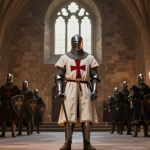
The Knights Templar was founded around 1119 by Hugues de Payens and a small group of knights. Their initial purpose was to ensure the safety of Christian pilgrims journeying to Jerusalem after the First Crusade. In 1129, the order received official recognition from the Church at the Council of Troyes, which allowed them to adopt a monastic rule similar to that of the Cistercians. This dual identity as both knights and monks set the Templars apart from other military orders, allowing them to combine martial prowess with spiritual devotion. Their distinctive white mantles adorned with a red cross became symbols of their commitment to both faith and warfare.
The Templars quickly gained popularity among European nobility, who donated substantial resources to support their cause. This influx of wealth enabled the order to establish fortifications across the Holy Land and Europe, including prominent castles like the Krak des Chevaliers. The Templars not only became a formidable military presence but also developed a sophisticated banking system that facilitated the transfer of funds across vast distances. Their financial acumen allowed them to amass significant wealth, which would later contribute to their downfall.
The Role of the Knights Templar in the Crusades
The Knights Templar were pivotal in the Crusades, participating in numerous battles and sieges. Their involvement began with the Second Crusade (1147-1149), where they fought valiantly for the defense of the Christian territories in the East. The Templars were known for their disciplined combat tactics and unwavering dedication to their cause. They often served as the vanguard in battles, exemplifying their martial skills and religious fervor. Their most notable engagement was at the Battle of Hattin in 1187, where they faced Saladin’s forces. Despite their bravery, the Templars suffered a devastating defeat, leading to the loss of Jerusalem.
The Spiritual Dimension of the Knights Templar
While the Knights Templar are often remembered for their military exploits, their spiritual life was equally significant. Templar members adhered to a strict code of conduct that emphasized piety, humility, and devotion to God. They participated in daily prayers, meditation, and communal worship, reflecting their commitment to a monastic lifestyle. The order’s spiritual practices were a source of strength and motivation, fueling their dedication to the Crusades and the defense of Christendom.
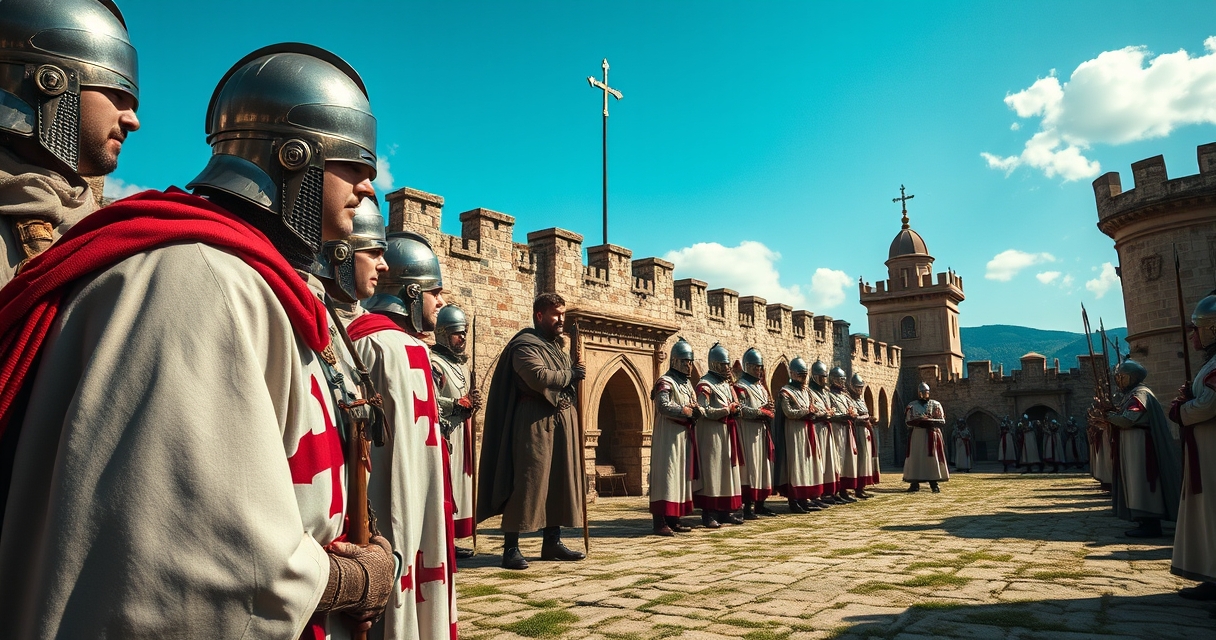
Moreover, the Templars were instrumental in promoting the concept of chivalry, intertwining martial valor with Christian ethics. They viewed themselves as soldiers of Christ, fighting not only for earthly territory but also for the salvation of souls. This spiritual mission resonated with many contemporary Christians, further enhancing the Templars’ reputation and attracting recruits to their cause. Their unique blend of martial and spiritual ideals left a lasting impact on the development of medieval Christianity and the broader chivalric culture.
The Economic Power of the Knights Templar
The Knights Templar became one of the wealthiest and most powerful organizations in medieval Europe, largely due to their innovative banking practices. Their financial system allowed them to offer services such as loans, deposits, and money transfers, which were revolutionary for the time. Templars established a network of commanderies across Europe, where they accumulated resources and facilitated trade. This economic prowess not only supported their military endeavors but also contributed to the broader economic development of Europe during the Middle Ages.
As the Templars grew in wealth, they also became increasingly influential in political matters. Monarchs sought their support and protection, often entrusting them with significant financial resources. This relationship between the Templars and European rulers created a complex web of alliances and dependencies that would later play a critical role in their downfall. Many viewed the Templars as a threat due to their growing power, leading to political machinations that ultimately culminated in their suppression in the early 14th century.
The Decline and Suppression of the Knights Templar
The decline of the Knights Templar began in the early 14th century, marked by a series of events that led to their arrest and dissolution. In 1307, King Philip IV of France, heavily indebted to the order, orchestrated a campaign against them. On Friday, October 13, 1307, many Templars were arrested, tortured, and accused of heresy, blasphemy, and other crimes. This infamous event gave rise to the notion of Friday the 13th as an unlucky day, rooted in the fear and superstition surrounding the Templars’ downfall.
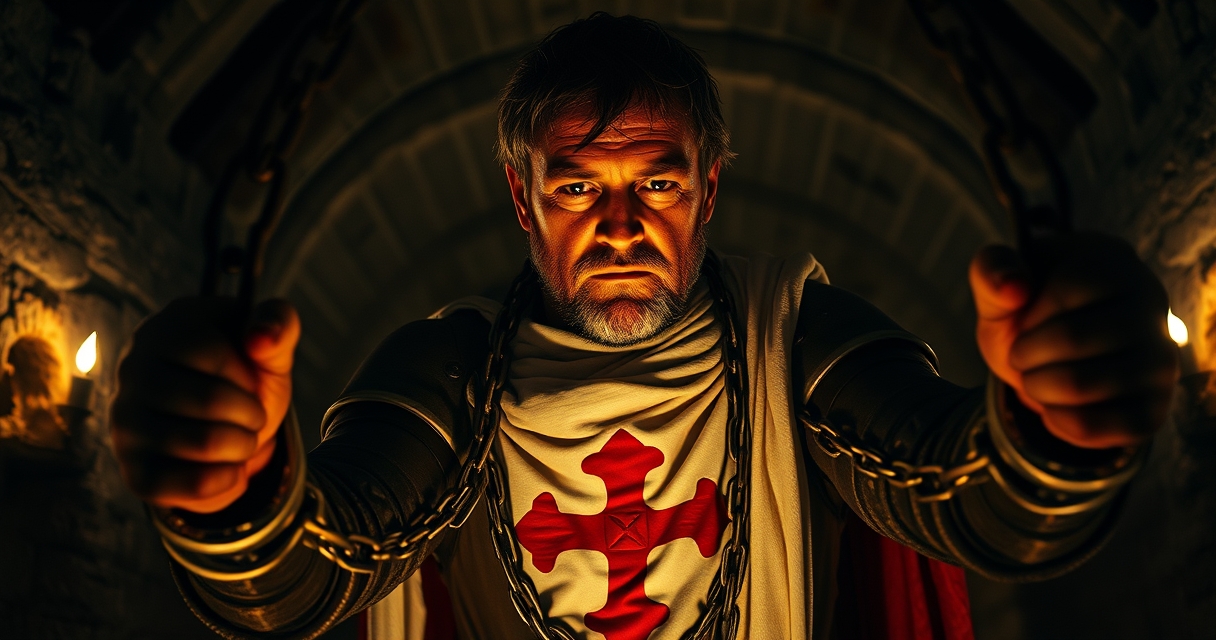
Under pressure from King Philip, Pope Clement V issued a papal bull in 1312 that formally dissolved the order. Many Templars were executed or imprisoned, while their vast wealth and properties were redistributed to other orders, particularly the Knights Hospitaller. This dramatic turn of events not only marked the end of the Templars as a military order but also reflected the complex interplay of power, religion, and politics in medieval Europe. The legacy of the Knights Templar continued to resonate through history, spawning countless myths and conspiracy theories that persist to this day.
The Legacy of the Knights Templar in Modern Christianity
The legacy of the Knights Templar remains influential in contemporary society, particularly within the context of Christianity and historical organizations. Their story has been romanticized in literature, film, and popular culture, often portraying them as noble warriors fighting for a just cause. This enduring fascination has led to the emergence of various modern groups that claim Templar lineage or principles, often blending historical fact with myth.
In addition to cultural representations, the Templars’ emphasis on chivalry and service has inspired many Christian organizations and movements. Their commitment to charitable works and protection of the weak resonates with modern Christian values, making their historical narrative relevant in today’s discussions about faith and duty. As a symbol of devotion and sacrifice, the Knights Templar continue to capture the imagination of those interested in the intersection of history, spirituality, and the enduring quest for meaning within the Christian tradition.

I’ve always been fascinated by how societies and organizations shape history and everyday life. Writing about the interplay between cultural movements and institutional structures lets me explore the stories that connect past and present. I love digging into archives and sharing insights that help readers understand our collective journey.