

The Knights Templar, a medieval order known for their military prowess and unique role in the Crusades, also developed sophisticated communication systems that facilitated their operations across Europe and the Holy Land. Understanding these systems sheds light on how the Templars maintained their influence, coordinated their military campaigns, and ensured the safety of their members. This article explores various aspects of the Knights Templar communication methods, including their use of symbols, messengers, and secure locations for communication.
Symbolism and Secret Codes
One of the most intriguing aspects of the Knights Templar communication systems was their use of symbolism and secret codes. The Templars employed a complex system of symbols that often conveyed messages discreetly. For instance, their iconic cross symbol not only represented their Christian faith but also served as a means of identification among members. Beyond this, the Templars utilized a variety of hand signals and gestures during meetings to communicate without attracting unwanted attention. These symbols were crucial for maintaining secrecy, especially in an era when enemies were always on the lookout for any intelligence that could compromise their operations.
Moreover, the Templars are believed to have developed a form of coded language that was known only to the order. This language would have allowed them to exchange sensitive information securely. Such codes were likely complex, incorporating elements from Latin, Hebrew, and other languages, making it difficult for outsiders to decipher their meanings. This practice of using coded messages was essential not only for military strategy but also for the protection of their financial dealings, which were a significant aspect of their power during the medieval period.
Use of Messengers
To ensure effective communication over long distances, the Knights Templar relied heavily on a network of messengers. These couriers were often members of the order or trusted allies who understood the importance of discretion and speed. The Templars established specific routes for their messengers, allowing them to travel safely through hostile territories. This network was crucial for conveying orders, gathering intelligence, and maintaining contact with various Templar lodges spread across Europe and the Levant.
The messengers were well-trained in the art of travel and communication. They often carried sealed letters that were marked with the Templar seal, indicating authenticity. This system not only helped in the swift transmission of messages but also provided a level of security, as the seal could be easily recognized by other Templars. In times of war, the ability to communicate rapidly could determine the success or failure of military operations, making the role of these messengers vital to the order’s effectiveness.
Strategic Communication Locations
The Knights Templar strategically established communication hubs throughout their territories. These locations were often situated in castles, fortresses, and commanderies that served as safe havens for Templar members and their messages. The design of these structures was not merely for defense; they were also equipped with facilities for the storage and transmission of information. Commanderies functioned as administrative centers where records were kept, and messages could be dispatched effectively.
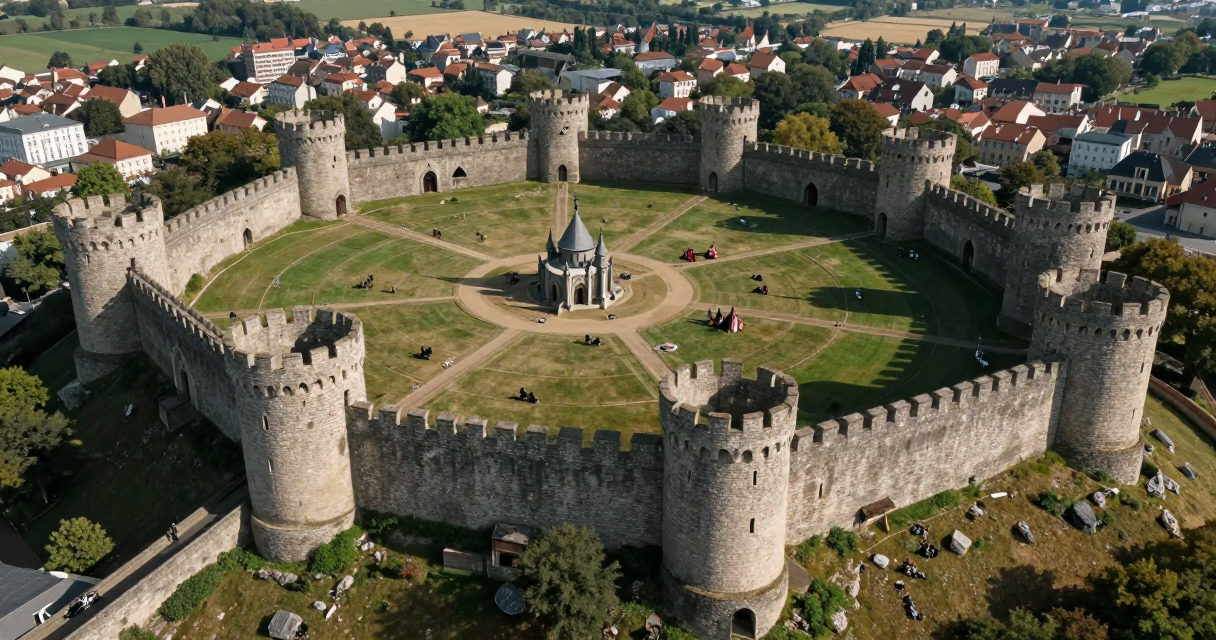
In addition to providing physical security, these locations allowed for the assembly of Templar leaders to discuss strategy and coordinate efforts. The presence of a secure communication hub was essential for planning military campaigns and responding to threats. The Templars understood that maintaining control over their communication channels was critical to their survival and success, especially amidst the political and military turmoil of the medieval period.
Written Correspondence
Written correspondence played a significant role in the communication systems of the Knights Templar. The order utilized parchment and wax tablets to record messages, decisions, and reports. This written documentation was crucial for maintaining a historical record of the Templar activities and decisions. Letters were often composed in Latin, the lingua franca of the educated elite at the time, ensuring that they could be understood by various audiences across Europe.
These written communications were meticulously crafted, often beginning with formal salutations and concluding with signatures that included the Templar seal. The use of written correspondence allowed for a more permanent record of communications than oral messages, which could be misinterpreted or forgotten. Additionally, these letters could be archived for future reference, providing a valuable resource for the organization as it navigated the complexities of medieval politics and warfare.
Intelligence Gathering and Espionage
The Knights Templar also engaged in intelligence gathering and espionage as part of their communication strategy. Understanding the movements of enemies and the political climate was crucial for the order’s survival. They maintained networks of informants who provided valuable information about rival factions, military movements, and other pertinent developments. These informants were often embedded within enemy territories, allowing the Templars to gain insights that could be pivotal in their military campaigns.
Additionally, the Templars were known to employ spies who could infiltrate hostile groups. This practice was not uncommon among military organizations of the time, but the Templars took it a step further by establishing a structured approach to intelligence gathering. The information collected was then communicated back to Templar leaders using the established communication systems, ensuring that strategic decisions were based on the most accurate and timely information available.
Challenges to Communication
Despite their advanced communication systems, the Knights Templar faced numerous challenges in maintaining effective communication. The political landscape of medieval Europe was fraught with rivalries and conflicts, which often made travel dangerous. Messengers could be intercepted, and letters could be captured by enemies, leading to the exposure of sensitive information. This risk necessitated constant innovation and adaptation in their communication methods.

Moreover, the Templars had to navigate the complexities of language and culture across the diverse regions where they operated. Different dialects, local customs, and varying levels of literacy among their members posed additional challenges. To mitigate these issues, the Templars often relied on bilingual members who could facilitate communication and ensure that messages were accurately conveyed. This adaptability was crucial for the order’s longevity and effectiveness in a volatile environment.
The Legacy of Templar Communication Systems
The communication systems developed by the Knights Templar left a lasting legacy that influenced future military and religious organizations. Their innovative use of symbols, messengers, and written communication set a standard for secure and effective information exchange. Many of these practices were adopted and refined by subsequent orders and military leaders, highlighting the Templars’ role as pioneers in communication strategies.
Today, the study of Templar communication systems offers valuable insights into how organizations can navigate complex environments and maintain operational integrity. By understanding the methods employed by the Templars, modern organizations can glean lessons on the importance of secure communication, the role of intelligence gathering, and the need for adaptability in the face of challenges. The Knights Templar remain a fascinating subject of study, not only for their military achievements but also for their innovative approaches to communication in a time of uncertainty.

I’ve always been fascinated by how societies and organizations shape history and everyday life. Writing about the interplay between cultural movements and institutional structures lets me explore the stories that connect past and present. I love digging into archives and sharing insights that help readers understand our collective journey.