Historical Background of the Knights Templar in Scotland
The Knights Templar, known for their legendary role in the Crusades, have a fascinating and often mysterious history in Scotland. The origins of the Knights Templar in Scotland are closely tied to their broader European activities, but the Scottish chapter holds unique significance within the medieval Scotland landscape. The Templar timeline in Scotland is marked by their arrival in the early 12th century, a period when Scotland was undergoing important political and social changes.
Their arrival in Scotland is believed to have been facilitated by the close alliances and familial ties between Scottish and French nobility, as the Templars originated from France. The Knights Templar quickly established a presence, acquiring lands and building key infrastructures such as chapels and preceptories. These properties were not just military outposts but also served as centers of economic activity and spiritual life. The Templar influence contributed to the medieval Scotland economy, particularly in areas of agriculture and trade.
Throughout medieval Scotland, the Knights Templar gained both respect and suspicion. They were known as skilled warriors, wealthy landholders, and financial innovators, pioneering early banking practices. The Templar timeline also intersects with significant Scottish historical events, including their alleged involvement in then-secretive political dealings and conflicts, which some historians believe culminated in their dramatic suppression in the early 14th century. Their lands and possessions were eventually transferred primarily to the Knights Hospitaller, another influential military order.
In Scotland, the legacy of the Knights Templar extends beyond their medieval presence, inspiring folklore, legends, and modern historical investigation. The Knights Templar history in Scotland remains a compelling chapter in the study of medieval Scotland, shedding light on the complex interplay of religion, politics, and military power during that era. Today, remnants of their existence can be found in architectural ruins and place names, enchanting historians and visitors alike.
Early Presence and Establishment
The Knights Templar’s early presence in Scotland is marked by their strategic establishment of several key settlements and lands. These Templar settlements served as both military strongholds and centers of economic influence, laying the groundwork for the Order’s enduring legacy within early Scotland Templar history. Among the earliest known Templar lands were estates granted to the Order by Scottish nobility, which helped in securing their foothold and enabling them to support their religious and military functions.
Significant historical sites tied to the Templars in Scotland include locations such as the Temple lands in Edinburgh and various other holdings spread across the country. These sites were not only residential or military outposts but also functioned as hubs for the administration of Templar affairs and their philanthropic efforts. The remnants of these historical sites remain crucial to understanding how the Templar influence spread during the medieval period.
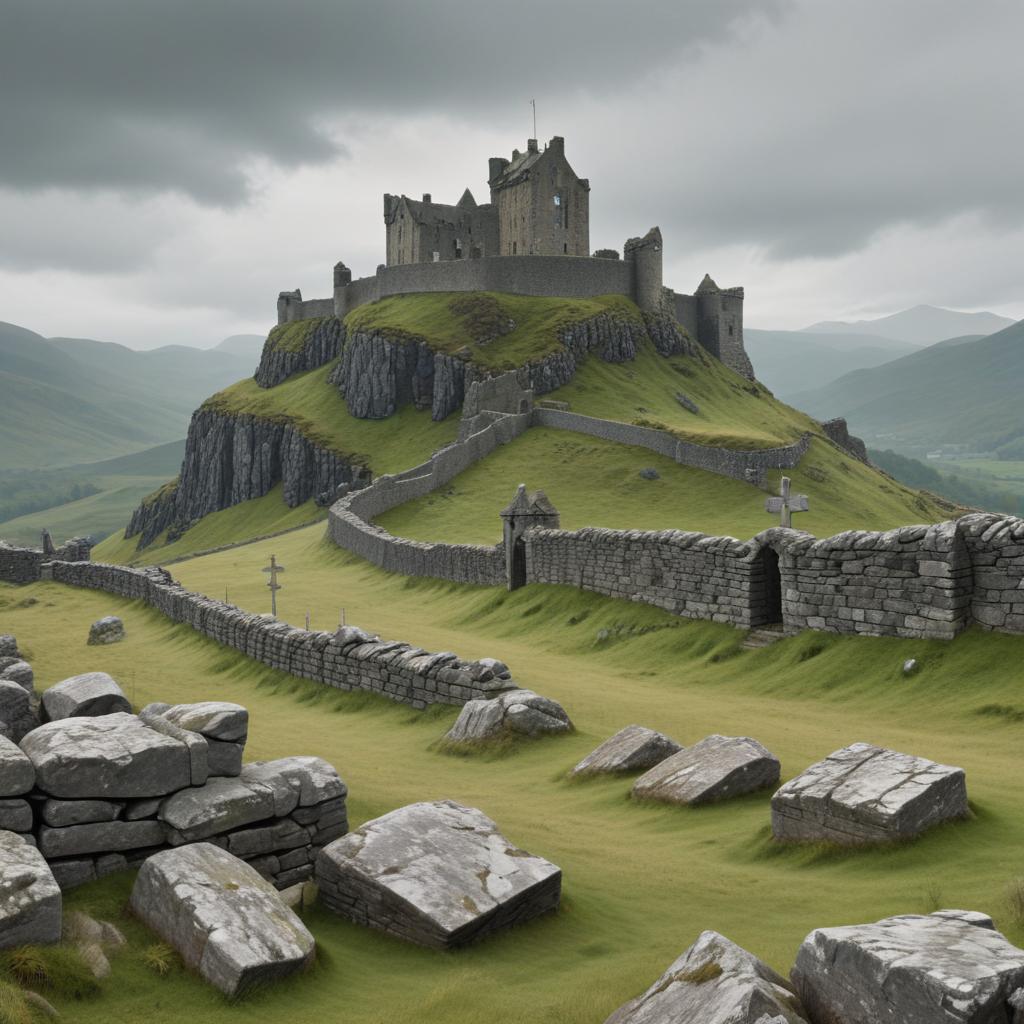
The early Scotland Templar settlements reflect a period of rapid growth and consolidation for the Order, showcasing their importance within Scottish society and politics. Their lands were often characterized by distinctive architectural features and strategic positioning, testifying to the importance of the Knights Templar’s role in protecting and managing their territories. Today, these locations continue to attract scholarly attention and interest from those exploring the rich tapestry of Scottish medieval history.
Role in Scottish Society and Politics
The Knights Templar held significant influence in medieval Scottish politics, shaping the social and political landscape in profound ways. Their presence introduced a new dynamic of knights influence that extended beyond military endeavors to matters of governance and societal organization. As trusted warriors and financiers, the Templars forged strong relationships with the Scottish monarchy, often acting as advisors and allies to kings seeking to consolidate power during turbulent times.
The Templar influence in Scottish society was not limited to their martial prowess; they became key players in land ownership and economic development. The order acquired vast estates, which bolstered their wealth and allowed them to support charitable works and religious institutions. This economic power translated into political leverage, enabling them to participate actively in medieval politics and local governance.
Moreover, the Knights Templar served as intermediaries between Scotland and other European powers, using their extensive networks to facilitate diplomatic relations. Their loyalty to the crown was balanced with their role as protectors of Christian interests, which sometimes placed them at the heart of political intrigue. Their alliances with Scottish monarchs helped to legitimize royal authority and secure national independence during key historical moments.
In summary, the Templar influence in Scotland was multifaceted, affecting society, politics, and the monarchy alike. Their unique position as warrior monks allowed them to wield power that was military, economic, and political, making them indispensable in the development of medieval Scottish statehood and governance.
Templar Legacy and Mythology in Scotland
The Knights Templar have long been enveloped in a shroud of mystique and legend, particularly within Scottish culture where their impact extends beyond mere historical record into the realm of folklore and myth. Scottish legends often intertwine Templar myths with local lore, creating a rich tapestry of stories that contribute to the enduring fascination with these medieval warrior monks. The legacy of the Templars in Scotland is not only preserved in historical sites but also lives on through these captivating tales.
One of the most persistent Scottish legends suggests that the Knights Templar found refuge in Scotland after their order was suppressed elsewhere in Europe. It is said they brought with them sacred relics and secret knowledge, which have since become the subject of countless historical myths. These stories often highlight the supposed protection offered by Scottish kings to the Templars, intertwining the fate of the nation with that of the order. This connection is believed to have helped preserve Templar traditions and symbolism in Scotland far longer than in other parts of the world.
Templar myths in Scotland frequently feature mystical elements, including hidden treasures and cryptic symbols carved into ancient architecture. These mythical aspects have inspired generations of historians, writers, and treasure hunters to delve deeper into Scotland’s medieval past. Such myths serve to reinforce the idea of the Templars as guardians of secret knowledge and protectors of a spiritual legacy that transcends time and place.
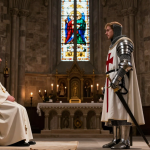
The lasting Templar legacy in Scotland is also reflected in the cultural fabric through symbolism found in Scottish art, architecture, and society. The imagery associated with the Templars—such as the iconic red cross—appears in many historical Scottish sites, solidifying the enigmatic presence of the order in the nation’s collective memory. This symbolic legacy fuels ongoing interest and debate about the true extent of the Templars’ influence in shaping Scottish identity and heritage.
In essence, Scottish folklore has embraced the Knights Templar not only as historical figures but as legendary icons whose myths continue to captivate imaginations. The fusion of historical facts with fantastical tales ensures that the Templar legacy remains a vibrant and intriguing chapter in Scotland’s cultural story, illustrating how historical myths can transcend history and become an integral part of national identity.
Famous Legends Associated with the Templars
The Knights Templar have long been enveloped in a cloud of mystery and fascination, giving rise to countless Templar legends that continue to captivate the imagination. In Scottish folklore, the Templars are often associated with mystical myths that suggest they possessed secret knowledge and hidden treasures. One of the most enduring legends is that the Templars buried vast caches of gold and sacred relics somewhere in Scotland, sparking countless treasure hunts over the centuries. These treasures are thought to be guarded by secret societies, elusive groups believed to have descended from the original Templar knights, preserving their knowledge and protecting their secrets.
Among the most popular Knights Templar stories is the tale of the Rosslyn Chapel near Edinburgh, a site rumored to contain cryptic symbols linked to the Templars and possibly housing artifacts of great spiritual significance. The idea that the chapel serves as a secret repository or meeting place for these clandestine groups has inspired a rich body of lore and speculation. These mystical myths blend historical facts with imaginative fiction, enhancing the Templars’ enigmatic status in Scottish history and elevating their legacy beyond mere warriors to figures of mystery and intrigue.
Overall, the Templar legends in Scotland weave a compelling narrative of hidden knowledge, secret societies, and timeless treasures. Their stories continue to fuel the curiosity of historians, treasure hunters, and enthusiasts of the mystical, ensuring that the Knights Templar remain a captivating element of Scottish folklore.
Influence on Scottish Architecture and Sites
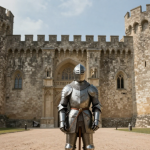
The Knights Templar left a distinctive mark on Scottish architecture, with numerous sites and buildings reflecting their influence. Templar architecture is characterized by fortifications, chapels, and castles that served both religious and military purposes. In Scotland, many medieval buildings exhibit these features, showcasing sturdy stone construction, rounded arches, and defensive elements typical of Templar design.
Several Scottish castles are believed to have been built or influenced by the Templars. These castles often feature strategic locations, thick walls, and battlements, highlighting the dual role of the Templars as monks and warriors. The design principles used by the Templars in these sites not only enhanced defense capabilities but also inspired local builders and architects.
Among notable Templar sites, Rosslyn Chapel stands out for its intricate architecture and symbolic carvings, which many associate with the Templar legacy. The chapel’s unique blend of Gothic and Templar motifs has contributed to its fame, impacting the heritage and architectural narrative of Scotland.
Overall, the Templar influence on Scottish castles and other medieval buildings is a testament to their lasting impact on the country’s architectural heritage. These sites continue to draw interest for their historical significance and distinctive design elements, representing a fusion of spiritual purpose and military strength.
Modern Research and Interpretations
Recent Templar research has significantly expanded our understanding of the Knights Templar in Scotland, moving beyond medieval myths to embrace a more nuanced historical perspective. Modern interpretations focus on a combination of archival discoveries, archaeological excavations, and scholarly analysis, all of which contribute to a richer picture of the Templar presence in Scottish history.
Archaeological discoveries in Scotland have been instrumental in substantiating the Templar footprint. Excavations at former Templar sites such as the ruins at Temple, Midlothian and Balantrodoch have unearthed artifacts and structural remains that provide tangible evidence of their activities. These findings include distinctive Templar seals, architectural features matching known Templar styles, and even remnants of their fortifications. Such discoveries corroborate historical accounts, offering new avenues for understanding how the Templars were organized and operated within Scotland.
Historical studies in recent decades have benefited from the digitization and reevaluation of medieval documents previously inaccessible or misunderstood. Scholars have revisited trial records, land charters, and ecclesiastical correspondence, unveiling detailed narratives about the Templars’ social and economic roles in Scottish society. This research highlights their involvement not only as a military order but also as influential landholders and financiers, shaping regional politics and economics in the Middle Ages.
Modern interpretations also delve into the symbolic and cultural legacy of the Knights Templar in Scotland. Researchers examine how myths and legends were constructed post-dissolution, influencing heritage tourism and popular culture. By distinguishing myth from fact, contemporary historians seek to present a balanced view of the Templars’ complex legacy. They emphasize the cross-disciplinary approach that combines history, archaeology, and folklore studies to fully appreciate the multifaceted impact of the Templars on Scotland.
In summary, the ongoing Templar research in Scotland not only reinforces the historical significance of the order but also challenges older assumptions. Through the integration of modern archaeological methods and critical historical inquiry, scholarly interpretations continue to evolve, enriching our understanding of Templar Scotland and its enduring mystery.
Archaeological Discoveries
Archaeological excavations in Scotland have uncovered a wealth of ancient artifacts and historical findings that attest to the presence and influence of the Knights Templar in the region. These discoveries provide valuable insights into the daily lives, religious practices, and strategic operations of the Templar order during the medieval period.
Key archaeology Templar sites, such as the remains of commanderies and chapels, have been excavated, revealing construction styles consistent with Templar architecture found elsewhere in Europe. Excavations in places like Rosslyn Chapel and Temple sites around Perth have uncovered relics ranging from stone carvings and seals to weapons and coinage, all pointing to an organized and well-established Templar community.
Among the most significant historical findings are the fragments of engraved stones and crosses bearing Templar symbols, which underline their spiritual and martial roles. Additionally, burial sites unearthed during digs have yielded skeletal remains with medieval armaments, suggesting the presence of Templar knights. These archaeological records not only confirm the geographical spread of the order but also enhance our understanding of their interactions with local Scottish clans and their involvement in the socio-political landscape.
Overall, the excavations in Scotland enrich the narrative of the Knights Templar beyond myth and legend, anchoring their legacy in tangible, archaeological evidence that continues to inspire further research into their enigmatic history.
Contemporary Views and Debates
Modern perspectives on the Knights Templar’s role in Scotland are diverse and often heated within academic debate. Scholars examine the Templar theories with a critical eye, navigating through historical controversies to separate myth from documented history. While popular culture frequently dramatizes the Templars’ influence, academic discussion tends to focus on verifiable evidence of their presence and activities in Scotland during the medieval period.
One major point of contention concerns the extent of the Templars’ integration into Scottish society and their supposed involvement in events like the Wars of Scottish Independence. Some historians argue that the Templars held strategic land and wielded considerable influence, citing surviving charters and architectural evidence. Conversely, others question the reliability of these sources, suggesting that much of the popular narrative is influenced by later romanticized accounts.
The debate also extends to the post-dissolution fate of the Templars in Scotland, with various theories proposing that the order survived through secretive means or merged with other groups. These hypotheses remain controversial, as concrete proof is scarce, leaving room for ongoing academic discussion and reinterpretation. Overall, contemporary views emphasize a balanced approach that values critical analysis while acknowledging the enduring fascination with the Templars’ Scottish legacy.

I’ve always been fascinated by how societies and organizations shape history and everyday life. Writing about the interplay between cultural movements and institutional structures lets me explore the stories that connect past and present. I love digging into archives and sharing insights that help readers understand our collective journey.