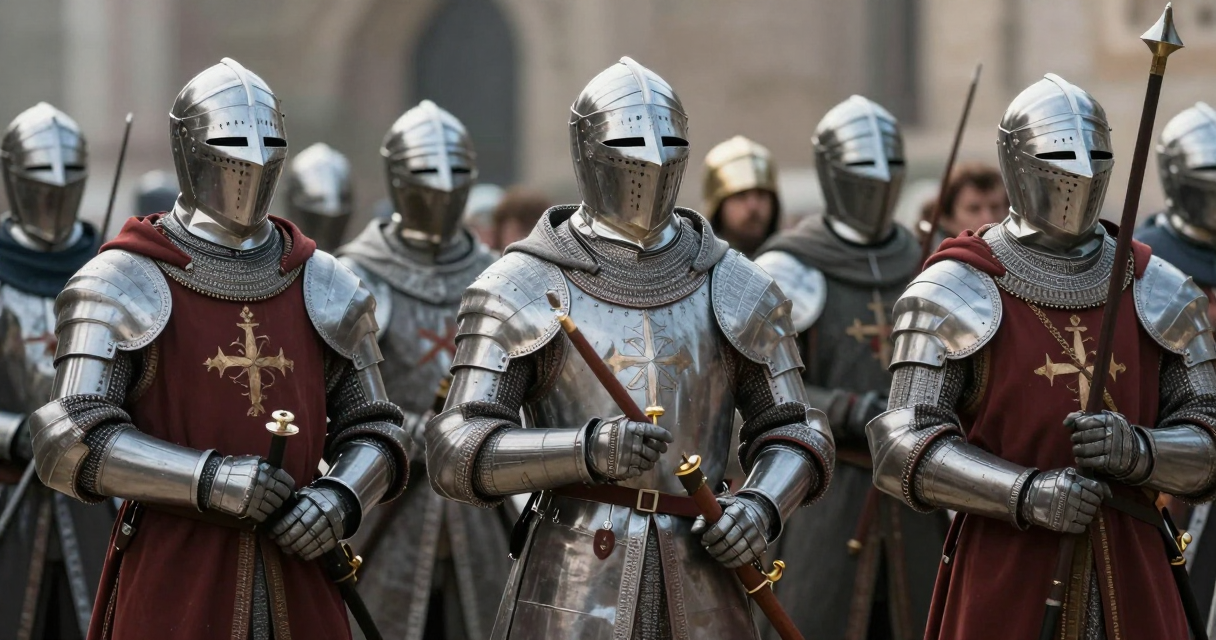
The Knights Templar, a medieval Christian military order, has long fascinated historians and enthusiasts alike due to its rich history and significant influence in medieval society. Central to the Templars’ operations was their unique governance structure, particularly the decision-making processes that guided their actions. This article explores how the Knights Templar Council operated, the intricacies of decision-making within the organization, and the implications of those decisions on their legacy and operations.
The Formation of the Knights Templar Council
The Knights Templar was established in 1119 after the First Crusade, initially to protect pilgrims traveling to the Holy Land. As the order expanded, so did its need for structured governance. The Council was formed to oversee the order’s various activities, including military operations, financial dealings, and religious commitments. The first significant gathering of the Council occurred in 1129 at the Council of Troyes, where the Templars received formal recognition from the Church. This meeting established foundational rules and guidelines that would govern the order.
The Council comprised high-ranking members known as the Grand Master, who led the order, along with other senior knights and clerics. Their collective expertise allowed the Council to make informed decisions that aligned with both military objectives and spiritual missions. The Council was not just a governing body; it was a symbol of unity and purpose, ensuring that all decisions reflected the values of the Templar order.
Decision-Making Hierarchy
The decision-making process within the Knights Templar was hierarchical yet collaborative. The Grand Master held supreme authority, but he relied on the insights and counsel of the Council members. This structure facilitated a balance between centralized leadership and collective input. Important decisions, particularly those involving military campaigns or financial investments, required extensive discussion and consensus among Council members.
Influence of External Factors on Decision-Making
External factors significantly influenced the Knights Templar’s decision-making processes. Political climates, alliances, and threats from rival factions shaped the Council’s strategies. For example, the relationship between the Templars and the Papacy was crucial. The Pope’s support provided legitimacy to the order, and his directives often guided Council decisions, especially regarding military campaigns or doctrinal matters.
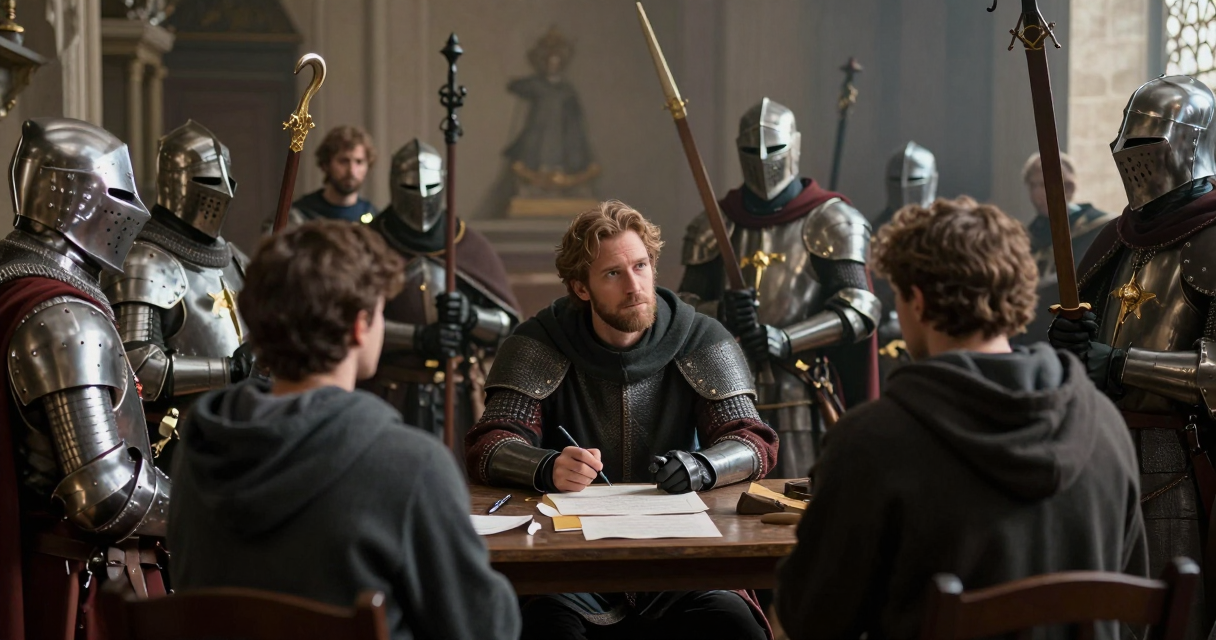
Furthermore, the Templars had to navigate complex relationships with local rulers and other military orders. Decisions regarding alliances or confrontations were often influenced by these dynamics. The Council’s ability to assess external pressures and adapt its strategies accordingly was vital for maintaining the order’s influence and safeguarding its interests.
Financial Decisions and Resource Allocation
Financial governance was a critical aspect of the Knights Templar’s operations, and the Council played a pivotal role in decision-making regarding resource allocation. The Templars became wealthy through donations, land acquisitions, and banking activities, which necessitated careful management. Council meetings frequently addressed financial matters, including the construction of fortifications, the maintenance of castles, and the funding of military expeditions.
Decisions about investments were made with a long-term vision. For instance, the Templars invested in agricultural estates and trade routes, which not only generated income but also supported the order’s logistical needs during campaigns. This financial foresight allowed the Templars to remain financially independent and sustain their military operations over decades.
Military Strategy and Tactical Decisions
The Knights Templar were renowned for their military prowess, and the Council’s role in formulating strategies was crucial. Tactical decisions were often the result of in-depth discussions that considered the strengths and weaknesses of their forces, as well as the enemy’s capabilities. The Council would analyze past battles, assess battlefield conditions, and integrate feedback from knights who had firsthand experience in combat.
One notable example is the Battle of Hattin in 1187, where Templar leadership faced a critical decision regarding engagement. The Council’s decision to confront Saladin’s forces, despite being heavily outnumbered, reflected their commitment to defend the Holy Land. This battle ultimately led to significant losses for the Templars, illustrating the high stakes involved in their military decision-making processes.
Religious Considerations in Decision-Making
The Knights Templar were not only a military order but also a religious institution. Their decisions were heavily influenced by spiritual considerations and the need to uphold their vows. The Council’s discussions often included theological debates, especially when decisions could impact the order’s religious standing or its relationship with the Church.
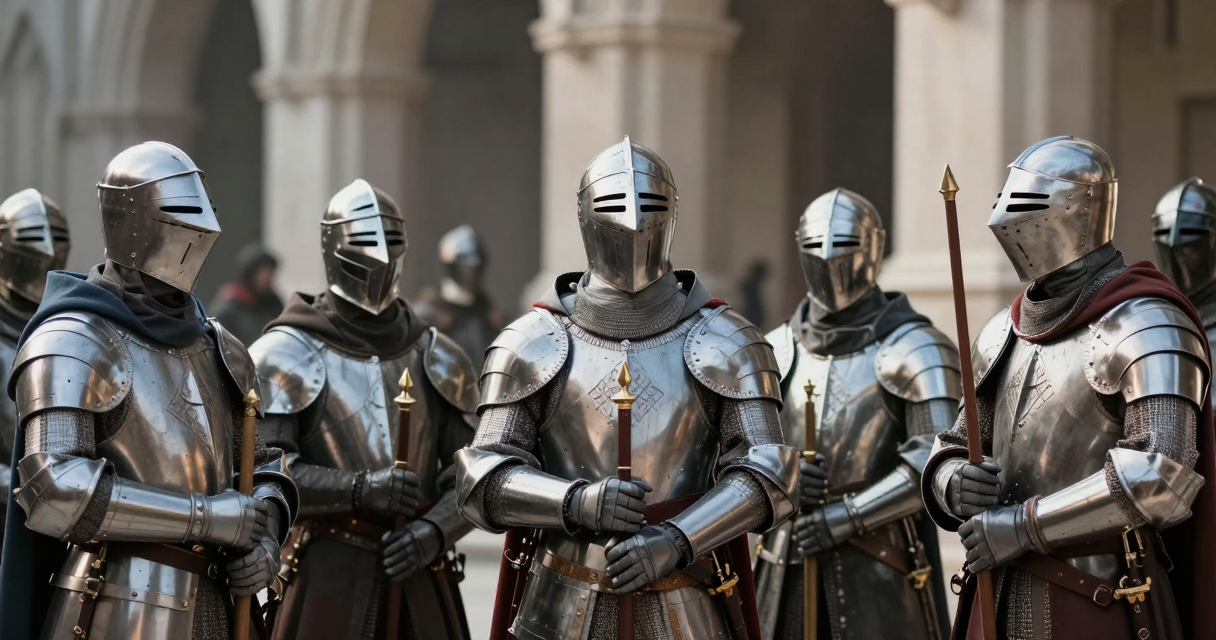
For example, the Templars’ involvement in the Crusades was framed as a holy mission, and decisions regarding military actions were often justified through religious rhetoric. The Council worked closely with Church leaders to ensure that their actions aligned with Christian values, thus reinforcing their legitimacy and moral authority. This intertwining of faith and decision-making was essential for the Templars, as it shaped their identity as both warriors and devout Christians.
Legacy of the Knights Templar Council’s Decisions
The decisions made by the Knights Templar Council had lasting implications, not only for the order itself but for the broader medieval society. The Templars’ financial innovations laid the groundwork for modern banking practices, while their military strategies influenced future military orders and tactics. The Council’s ability to adapt to changing circumstances and make strategic choices contributed to the order’s initial success and eventual decline.
Moreover, the legacy of the Templar Council extends into contemporary discussions about governance and leadership. Their model of combining hierarchical authority with collaborative decision-making serves as an example of effective organizational governance. The lessons learned from the Templars’ successes and failures continue to resonate in modern contexts, highlighting the importance of strategic decision-making in any organization.

I’ve always been fascinated by how societies and organizations shape history and everyday life. Writing about the interplay between cultural movements and institutional structures lets me explore the stories that connect past and present. I love digging into archives and sharing insights that help readers understand our collective journey.