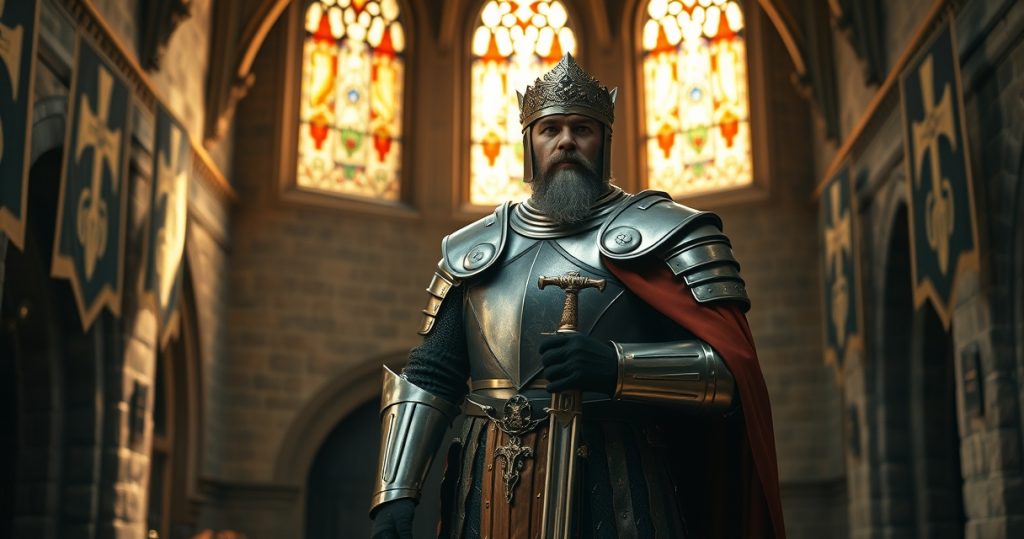
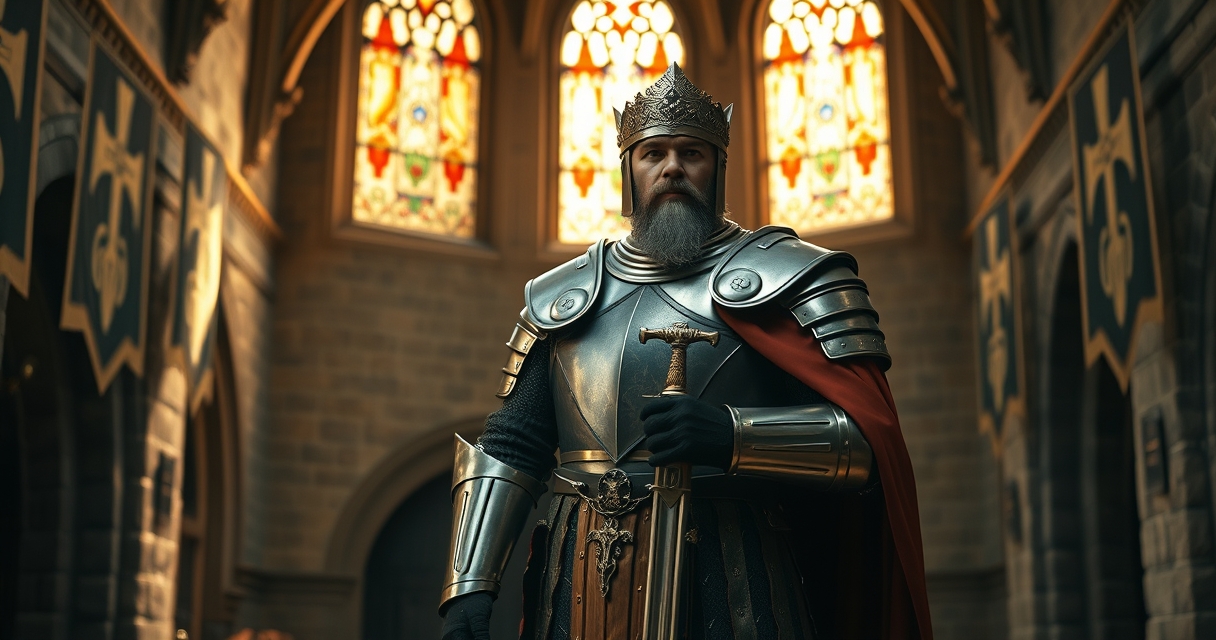
The Founding of the Knights Templar made the Grand Master the most visible figure of an organization that combined martial prowess, religious devotion, and a sophisticated financial network. From the moment the order was founded in 1119, the Grand Master acted as both commander of knights on the battlefield and chief administrator of a sprawling estate that stretched from the Levant to the French provinces. This dual responsibility required a blend of strategic thinking, diplomatic skill, and an intimate knowledge of the order’s internal statutes. Over three centuries the office evolved, responding to the loss of Jerusalem, the rise of European monarchies, and the growing suspicion of papal authorities. Understanding the Grand Master’s role therefore offers a window onto the way medieval societies organized power, loyalty, and wealth.
The Origin of the Grand Master’s Authority
When Hugues de Payens and eight fellow knights received a charter from King Baldwin II of Jerusalem, they were granted the right to elect a leader for life, a practice that mirrored the command structures of contemporary military orders. The first Grand Master established a rule‑book at the Council of Troyes in 1129, codifying vows of poverty, chastity, and obedience while also defining the chain of command. This document gave the Grand Master legal standing to collect alms, manage properties, and command troops without needing constant royal approval. By anchoring the Grand Master’s authority in both canon law and secular agreements, the order secured a unique position that blended spiritual legitimacy with temporal power. The early Grand Masters therefore operated as both abbots and generals, a hybrid role that set the tone for centuries of governance.
The election of each Grand Master required the assent of the senior knights, known as the Twelve, who formed a council that could advise or, in extreme cases, challenge the leader’s decisions. Yet the lifetime tenure meant that a strong Grand Master could shape the order’s direction for decades, as seen during the tenure of Robert of Sablé, who led the order through the Third Crusade and negotiated the return of the Holy Land’s key fortresses. Sablé’s diplomatic skill earned him the respect of both King Richard the Lionheart and Pope Gregory VIII, illustrating how the Grand Master’s authority extended far beyond the battlefield. The combination of internal election and external endorsement created a resilient leadership model that survived numerous crises.
Military Command and Strategic Leadership
The Origins of the Knights Templar show that they were a fighting force, with the Grand Master holding ultimate responsibility for deploying knights, sergeants, and infantry across the Crusader states. The order’s distinctive white mantles emblazoned with a red cross became a symbol of disciplined martial excellence, a reputation that the Grand Master was obliged to maintain through rigorous training and strategic planning. During the siege of Acre in 1191, Grand Master Robert de Sablé coordinated a multi‑nation relief effort that combined forces from England, France, and the Holy Roman Empire, demonstrating the ability of a single leader to orchestrate complex operations. This level of coordination required not only battlefield acumen but also the capacity to negotiate with secular rulers who each pursued their own interests.
Beyond the Holy Land, the Grand Master directed the order’s participation in European conflicts, such as the French campaigns against the Cathars. By allocating a portion of the order’s knights to these wars, the Grand Master reinforced the Templars’ reputation as a pan‑European military asset, which in turn attracted new donations and lands. The strategic flexibility of the Grand Master allowed the order to shift resources quickly, a factor that contributed to its rapid expansion during the 13th century. The military role of the Grand Master therefore blended direct command with a broader vision of how the order could serve the interests of both Christendom and its own survival.
Financial Administration and Economic Influence
One of the most enduring legacies of the Grand Master was the development of an early banking system that facilitated safe transfer of money across vast distances. By the mid‑13th century the order operated a network of preceptories that acted as deposits for pilgrims, merchants, and nobles, allowing the Grand Master to oversee a flow of capital that rivaled that of many royal treasuries. The Grand Master’s ability to issue letters of credit enabled travelers to receive funds in distant cities without carrying heavy coinage, a service that earned the order substantial fees and reinforced its economic clout.
The financial responsibilities of the Grand Master extended to the management of agricultural estates, vineyards, and urban properties that generated steady income for the order. Detailed inventories kept at the headquarters in Paris recorded the value of each holding, and the Grand Master directed investments in infrastructure such as mills and bridges that increased productivity. When the Holy Land fell to the Mamluks in 1291, the Grand Master shifted focus to safeguarding European assets, a move that preserved the order’s wealth despite the loss of its original mission field. The intertwining of military, religious, and financial duties under the Grand Master’s supervision created a powerful organizational model that was unprecedented in medieval Europe.
Diplomatic Relations and Interaction with Secular Powers
The Grand Master routinely acted as an envoy between the papacy, monarchs, and the various courts that hosted Templar preceptories. By presenting a unified voice, the Grand Master could negotiate privileges such as tax exemptions, legal immunities, and the right to own property in foreign territories. The 1188 papal bull Omne Datum Optimum granted the order unprecedented freedoms, a decree that the Grand Master was tasked with implementing across all jurisdictions. This diplomatic skill was evident when Grand Master Jacques de Molay secured a renewal of privileges from Pope Clement V, even as the order faced mounting political pressure.
However, the same diplomatic channels that once protected the Templars also became avenues for their downfall. King Philip IV of France leveraged his relationship with the Grand Master to extract loans that the order could not fully repay, leading the king to accuse the Templars of heresy in 1307. The Grand Master’s attempt to appeal to the Pope and to rally support from other European monarchs highlighted the precarious balance between obedience to the Church and allegiance to secular rulers. The episode demonstrates how the Grand Master’s diplomatic role could both shield and expose the order to the shifting tides of medieval politics.
Internal Governance and the Grand Master’s Household
Within the order, the Grand Master presided over a council of senior officials who managed daily affairs, ranging from recruitment of new knights to the supervision of charitable projects. The Chapter House, located in the order’s motherhouse at the Temple in Jerusalem and later in Paris, served as the venue for annual meetings where the Grand Master reported on military campaigns, financial statements, and disciplinary matters. These gatherings reinforced a sense of collective identity among members spread across continents, and they ensured that the Grand Master’s directives were communicated clearly and uniformly.
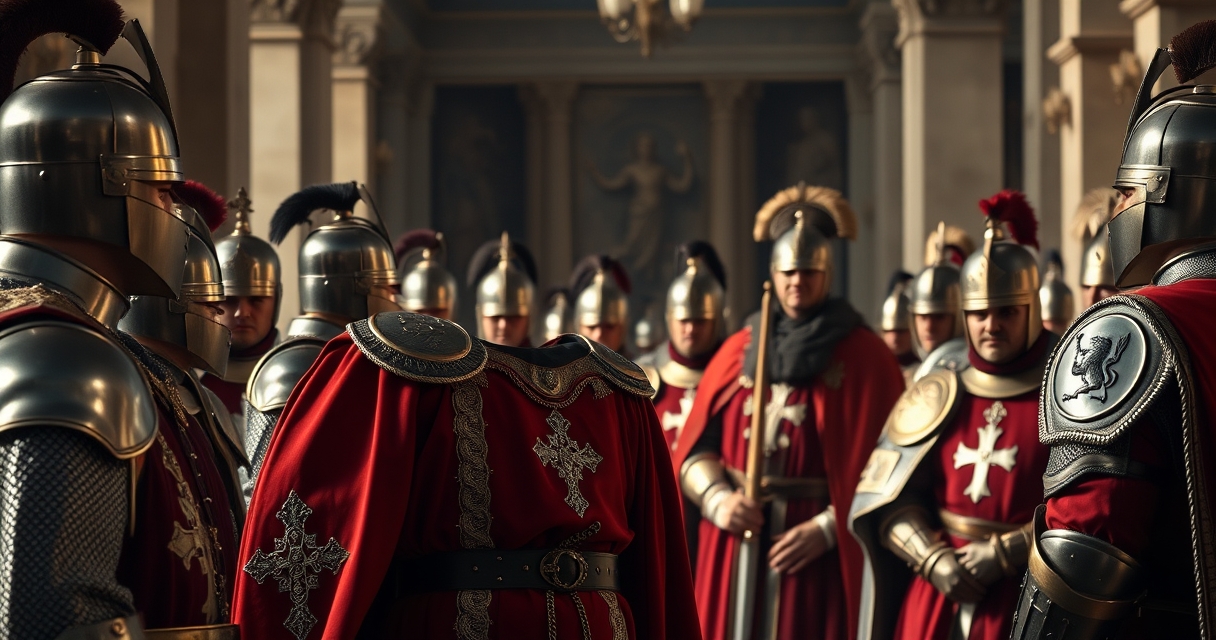
The Grand Master’s household also included a chaplain, a treasurer, and a marshal, each responsible for specific aspects of the order’s operation. The marshal oversaw the training of knights, while the treasurer managed the flow of funds to support both military expeditions and the order’s hospitals. By delegating authority to these officers, the Grand Master could focus on strategic decisions without becoming bogged down in routine administration. This hierarchical yet collaborative structure allowed the order to function as a cohesive entity, even as it navigated the complex political landscapes of medieval Europe.
The End of an Era and the Grand Master’s Final Chapter
The suppression of the Knights Templar in 1312 marked the abrupt termination of the Grand Master’s lineage, yet the final years of the office reveal the resilience of the order’s internal mechanisms. After the mass arrests ordered by King Philip IV, Grand Master Jacques de Molay was imprisoned and subjected to a series of interrogations that aimed to extract confessions against the order. Despite intense pressure, Molay maintained his innocence and, according to contemporary chroniclers, affirmed the order’s dedication to the Church until his execution in 1314.
Molay’s steadfastness under duress illustrates the profound sense of duty instilled in the Grand Master’s role, a duty that survived even the most hostile political attacks. The legacy of the Grand Master lives on in the surviving preceptories that were transferred to the Knights Hospitaller, as well as in the modern fascination with the order’s mystique. The organizational principles established by the Grand Masters, centralized leadership, financial innovation, and diplomatic agility, continue to inform studies of medieval institutions and their impact on later European development.

I’ve always been fascinated by how societies and organizations shape history and everyday life. Writing about the interplay between cultural movements and institutional structures lets me explore the stories that connect past and present. I love digging into archives and sharing insights that help readers understand our collective journey.