Historical Background of the Knights Templar
The Knights Templar history begins in the early 12th century with their founding around 1119 AD. Emerging as a distinct order of medieval knights, the Templars were initially established by a small group of knights led by Hugues de Payens. Their original mission was to protect Christian pilgrims traveling to the Holy Land following the First Crusade. This commitment to safeguarding pilgrims quickly garnered support and recognition from the Catholic Church, most notably with the endorsement of Pope Innocent II in 1139.
The founding of the Knights Templar was closely tied to the turbulent era of the Crusades, a series of religious wars aimed at reclaiming Jerusalem and other sacred territories from Muslim control. The order combined military prowess with monastic discipline, creating a unique identity among the Crusading forces. Templars took vows of poverty, chastity, and obedience, aligning themselves with the ideals of the Church while serving as elite warriors on the battlefield.
As the Crusades progressed, the Templars rose to prominence not only as formidable fighters but also as skilled administrators and financiers. Their fortresses dotted the landscape of the Holy Land, and their strict organization allowed them to efficiently manage vast estates and resources. The Knights Templar history is marked by their significant role in key battles and campaigns during the Crusades, where their discipline and loyalty made them a feared and respected force.
The templar origins are deeply rooted in both religious fervor and military necessity. Their rise during the Crusades highlights the intersection of faith, warfare, and politics that defined medieval Europe. Through their dedication to protecting pilgrims and defending Christian territories, the Knights Templar carved out a lasting legacy that continues to captivate historians and enthusiasts alike.
Founding and Early Mission
The Knights Templar, a medieval military order, were founded in the early 12th century, shortly after the First Crusade. Their establishment is traditionally dated to 1119 AD, initiated by a small group of knights led by Hugues de Payens. This marked the beginning of the Templar founding, which was primarily driven by the need to protect Christian pilgrims traveling to the Holy Land. The early mission of the order centered on safeguarding these travelers from the numerous dangers they faced, including banditry and hostile forces on the pilgrimage routes.
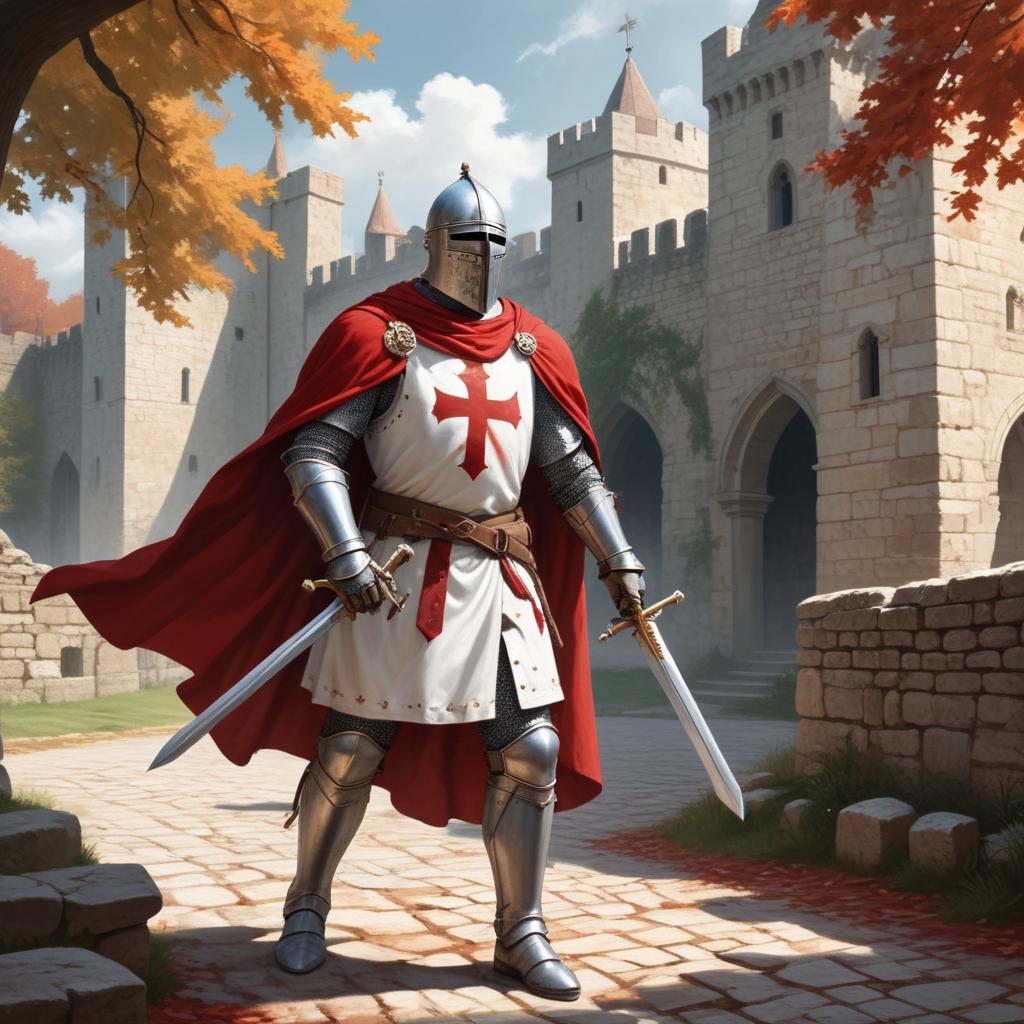
Under the endorsement of prominent church figures such as Bernard of Clairvaux, the Templars quickly gained papal recognition, which helped to solidify their role as a unique religious and military entity. Their distinctive white mantles adorned with a red cross became a symbol of their sacred duty and commitment. The order’s ranks were composed of warrior monks who followed a strict code of conduct, combining monastic discipline with martial prowess.
The early mission of the Knights Templar extended beyond protection to establishing and maintaining a network of fortifications and safe houses. Their strategic bases along pilgrimage routes enabled safer passage for thousands of pilgrims, ensuring the continuity of Christian pilgrimage traditions. Over time, the Templar founding principles grew to encompass not only military defense but also financial and diplomatic roles within Christendom, setting the foundation for their considerable influence in medieval Europe.
Role During the Crusades
The Knights Templar played a crucial dual role during the Crusades, combining both military strength and religious devotion to protect Christian interests in the Holy Land. As one of the most formidable military orders, the Templars were essential in defending the Crusader states and safeguarding pilgrims traveling to sacred sites. Their military role included participating in key battles, fortifying castles, and maintaining control over strategic territories. This rigorous defense work helped secure important routes and kept the Crusader presence in the region viable for many years.
In addition to their martial duties, the Templars held a vital religious role. They were sworn knights who took monastic vows, integrating their spiritual commitments with their military endeavors. This religious dedication set them apart, as their mission was seen as a divine duty to protect Christendom and ensure the safety of pilgrims. The Templar order was endorsed by the Catholic Church, which granted them privileges such as exemption from local laws and tithes, further consolidating their influence.
The impact of the Knights Templar’s military role during the Crusades was significant in maintaining the fragile Christian foothold in the Holy Land. Their presence provided much-needed security and boosted morale among Crusader forces and settlers. Moreover, by protecting key holy sites and pilgrimage routes, they reinforced the religious significance of these areas for generations to come, leaving a lasting legacy on the history of the Crusades and Catholic Church’s involvement in the region.
Relationship Between the Knights Templar and the Catholic Church
The Catholic Church played a crucial role in shaping the fate and influence of the Knights Templar. From the very inception of the Order, papal support underscored the Church’s vested interest in the Templar relationship, firmly positioning the knights as protectors of Christendom and defenders of pilgrims traveling to the Holy Land. This unique endorsement manifested itself through various papal bulls and privileges, which elevated the Templars above many other contemporary military orders.
One of the earliest and most significant instances of papal endorsement was the papal bull “Omne Datum Optimum,” issued by Pope Innocent II in 1139. This decree granted the Knights Templar the right to operate independently from local ecclesiastical authorities, effectively placing them under the direct jurisdiction of the Pope. This privilege ensured the Order’s autonomy, allowing them to accumulate wealth, receive donations, and administer their affairs without interference from bishops or secular leaders. Such a unique status was uncommon and demonstrated the Church’s profound trust and favor toward the Templar relationship.
Further papal bulls, including “Milites Templi” by Pope Celestine II in 1144 and “Militia Dei” by Pope Eugene III in 1145, reinforced this support by granting the Order additional privileges such as exemption from taxes and tithes, permission to collect their own revenues, and freedom to travel securely across Christendom. These bulls not only strengthened the economic base of the knights but also underscored the Church’s strategic interest in maintaining a powerful, church-endorsed military force during the Crusades.
The Catholic Church’s view of the Templars as divinely sanctioned warriors imbued their mission with a sacred character. The Order was seen as a holy instrument of ecclesiastical and political power, further cementing their importance in medieval Christendom. Papal support also meant spiritual benefits, as members of the Order were granted special indulgences and spiritual protections, reinforcing the sanctity of their cause.
In conclusion, the Templar relationship with the Catholic Church was marked by a series of strategic endorsements and privileges that significantly enhanced their influence and operations. Papal bulls and church endorsement not only legitimized the Knights Templar’s mission but also ensured they remained a formidable force, wielding both religious authority and military might in service to the Church’s broader objectives.
Papal Support and Privileges
The Knights Templar received significant papal support through a series of papal bulls that solidified their status and extended church privileges to the order. One of the most critical decrees was Pope Innocent II’s bull, “Omne Datum Optimum,” issued in 1139, which granted the Templars exemption from local laws and placed them directly under the authority of the Pope. This decree allowed the Templars to operate independently from local bishops and secular authorities, ensuring they had autonomy to manage their vast holdings and missions across Christendom.
In addition to “Omne Datum Optimum,” other papal bulls such as “Milites Templi” and “Militia Dei” further enhanced the order’s privileges by confirming their right to collect tithes, build churches, and freely travel across Europe without interference. These decrees provided the Templars with an unparalleled level of protection and authority, both spiritually and materially, which was essential for their military and financial roles during the Crusades.
The protection offered by these papal bulls also extended to safeguarding the Templar brothers themselves. The church privileges ensured that any infringements against the order were met with ecclesiastical sanctions. This unique position of Templar protection under papal authority not only increased their prestige but also allowed them to amass considerable influence and resources, reinforcing their critical role in both the Crusades and medieval Christendom.
The Templars’ Religious Role and Duties
The Knights Templar were more than just a military order; their identity was deeply intertwined with profound religious duties and Catholic spirituality. Within the framework of the Catholic Church, the Templars adhered strictly to a monastic rule, most notably the Rule of Saint Benedict, which guided their daily lives with discipline and devotion.
Central to their religious role were their obligations to participate regularly in Catholic rituals such as attending Mass, confession, and prayer. The Templars took vows of poverty, chastity, and obedience, emphasizing their spiritual commitment above worldly concerns. These vows underpinned their conduct both on the battlefield and in their religious observances.
Templar spirituality was characterized by a blend of warrior ethos and devotional piety. They were expected to maintain constant vigilance in prayer, seeking divine favor and protection. Their chaplains played a vital role in nurturing this spirituality, offering sacraments and guiding members in their faith. The Order also engaged in pilgrimages and charitable acts, fulfilling their Christian duty to serve both God and fellow man.
Through these religious duties, the Knights Templar reinforced their dedication to the Catholic Church’s mission. Their unique position as warrior-monks symbolized the defense of Christendom, combining martial prowess with a profound spiritual calling that shaped their legacy in medieval history.
Decline and Legacy of the Knights Templar in Relation to the Catholic Church
The decline of the Knights Templar is one of the most significant and dramatic episodes in medieval history, deeply intertwined with the Catholic Church’s influence and authority. The once-powerful order, known for their military prowess and financial acumen, faced an abrupt and orchestrated downfall in the early 14th century. This decline was not merely due to external military pressures but was heavily influenced by political and religious machinations spearheaded by the Catholic Church under Pope Clement V’s papacy.
One of the primary causes behind the Templar decline was the mounting suspicion and envy from both secular rulers and church officials. The Knights Templar had amassed considerable wealth and power through donations, banking activities, and their role as protectors of Christian pilgrims. This wealth made them vulnerable to accusations, particularly from King Philip IV of France, who was deeply indebted to the order and sought to seize their assets. King Philip’s pressure on Pope Clement V led to the infamous church trial, where the Templars were accused of heresy, blasphemy, and other grave charges.
The church trial was marked by forced confessions extracted under torture and a lack of credible evidence. Nevertheless, the Catholic Church, aiming to maintain political alliances and avoid conflict with the French crown, initiated the dissolution of the order in 1312 through the papal bull Vox in excelso. This decision marked the official end of the Knights Templar, scattering its members and confiscating its properties. The church’s involvement was crucial, as it legitimized the charges and sanctioned the order’s eradication on religious and legal grounds.
Despite the dissolution, the legacy of the Knights Templar endured. Their pioneering banking methods laid foundational elements for modern finance, and their mystique has inspired countless legends, books, and cinematic portrayals. The Catholic Church’s role in both their rise and fall highlights the complex relationship between spiritual authority and temporal power during that era. Ultimately, the Templar decline serves as a cautionary tale of how religious institutions could be manipulated for political gain, leaving a lasting impact on history and culture.
Trials and Suppression
The trials of the Knights Templar began in the early 14th century, marked by a series of accusations made by King Philip IV of France. The order faced charges ranging from heresy, idolatry, and immoral behavior to financial corruption. These accusations, many believed to be politically motivated, aimed to dismantle the powerful influence and wealth the Templars had amassed over the years.
Pope Clement V, under immense pressure from King Philip IV, initiated formal investigations and trials against the order. The papal process sought to examine the validity of the charges, which included forced confessions extracted under torture. Despite some Templars maintaining their innocence, the trials culminated in a dramatic condemnation of the order, painting them as a threat to the Church and society.
Ultimately, in 1312, Pope Clement V officially suppressed the Knights Templar through the papal bull “Vox in excelso.” The order was disbanded, its properties seized, and many members imprisoned or executed. This suppression marked the end of the Templar order, although their legacy and mystique have persisted in history and popular culture ever since.
Enduring Influence and Myths
The Knights Templar continue to captivate the imagination, their legacy intertwined deeply with the Catholic Church’s history. Despite their dissolution in the early 14th century, the Catholic Church legacy of the Templars remains a powerful narrative that fuels both historical inquiry and popular culture. Many myths about the Templars persist today, often overshadowing the complex reality of their role as warrior monks and financial pioneers during the Crusades.
These Templar myths range from tales of secret rituals and hidden treasures to conspiracies involving the Church’s highest echelons. The continued fascination is partly because the Templars were both protected and persecuted by religious powers, creating a mysterious aura that invites speculation. Their abrupt suppression by King Philip IV of France and the subsequent involvement of Pope Clement V only add layers to the legend, fostering a narrative of betrayal and intrigue that resonates in modern times.
Modern influence of the Knights Templar extends beyond historical texts into popular media, literature, and even fraternal organizations that claim spiritual or symbolic descent from the original order. As such, the myths serve as a bridge connecting past and present, enabling the Templars to remain a symbol of chivalric ideals and religious mystique. The Catholic Church’s legacy, combined with enduring myths, ensures that the story of the Knights Templar remains a subject of enduring fascination and debate.

I’ve always been fascinated by how societies and organizations shape history and everyday life. Writing about the interplay between cultural movements and institutional structures lets me explore the stories that connect past and present. I love digging into archives and sharing insights that help readers understand our collective journey.