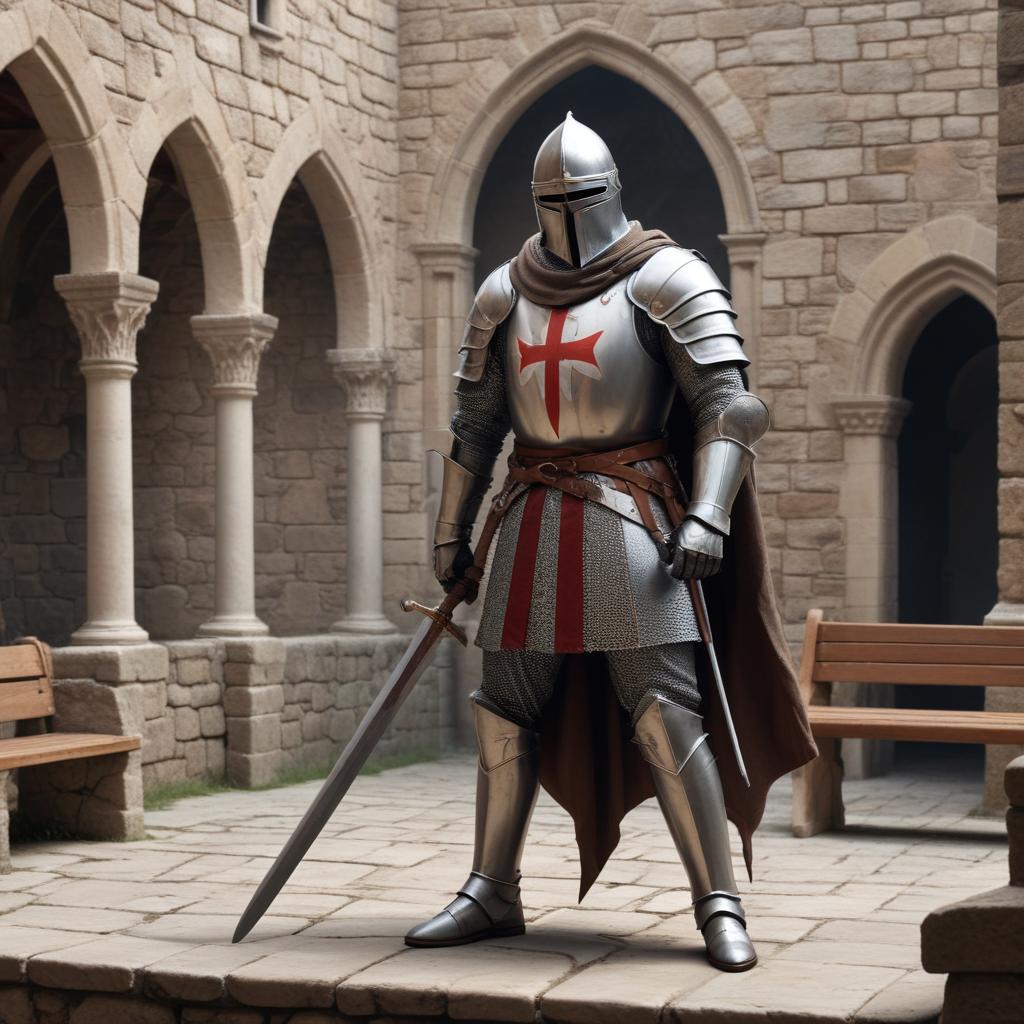
Templar military exercises were meticulously structured, often conducted in groups to simulate real combat scenarios. These drills included formations, coordinated attacks, and defensive maneuvers designed to cultivate discipline and teamwork. Daily combat preparation was critical, as the knights needed to maintain peak performance and quick reflexes in the face of danger.
Weapon handling was not limited to practice swords but extended to mastering the use of various armaments suitable for different battle conditions. The knights regularly sparred under the watchful eyes of their commanders, receiving feedback to refine their technique. Through these relentless and focused efforts, the Knights Templar upheld their reputation as formidable warriors, ready to protect their order and fulfill their sacred duties.
Diet and Meals of the Knights Templar
The templar diet was shaped by both their religious beliefs and their demanding lifestyle as warrior monks. Their meals were designed to provide sufficient nourishment while adhering to the rules of their order, which called for simplicity and moderation. Typical foods consumed by the Knights Templar reflected the medieval meals common at the time but were also influenced by the regions they inhabited and the resources available during their travels and military campaigns.
Knights food primarily consisted of bread, which was a staple of their daily intake. They often ate coarse rye or barley bread, which was hearty and filling. Accompanying this were legumes such as lentils, peas, and beans, important sources of protein and calories. Cheese and eggs were also common elements of templar cuisine, providing variety and additional nourishment.
Meat, although an essential source of sustenance for a warrior order, was not consumed lavishly every day due to both economic constraints and religious fasting rules. When it was eaten, it was typically salted or dried to preserve it during campaigns. Fish played a significant role in the templar diet, especially during periods of fasting or religious observance when meat was prohibited. The knights consumed fish such as cod, herring, and other salted varieties, which were readily available and calorie-rich.
The structure of medieval meals for the Knights Templar followed a disciplined routine. Their day often began with a light breakfast consisting of bread and water or weak wine. The main meal was eaten at mid-day, featuring a heartier selection including stews, soups, and occasionally roasted or boiled meat or fish. Evenings were reserved for a light supper, which reflected the order’s emphasis on frugality and self-restraint.
Beverages were simple and functional; water was often unsafe to drink, so weak wine or ale was preferred. The knights abstained from excess, focusing on maintaining their strength and readiness rather than indulgence. The templar cuisine exemplified the balance between necessity and spirituality, offering enough energy for their rigorous activities without contradicting their ascetic ideals.
In summary, the templar diet and meals were characterized by simplicity, nutrition, and adherence to their religious precepts. The knights’ food staples—bread, legumes, cheese, eggs, salted meat, and fish—combined with a structured meal routine, supported their needs as both warriors and monks. This aligned medieval meals with the pragmatic and spiritual demands of the Knights Templar lifestyle.
Common Foods and Beverages
The knights of the Templar order maintained a diet that was both practical and reflective of medieval nutrition practices. Their common diet primarily consisted of staple foods that provided the essential sustenance needed for their rigorous daily activities. Bread was the cornerstone of their meals, often made from coarse grains which offered a filling and energy-rich base. This medieval food staple was consumed with almost every meal, serving as both nourishment and a tool for soaking up other dishes.
In addition to bread, the Templars regularly consumed meat, which was vital for meeting their protein requirements. Sources of meat included beef, pork, and occasionally lamb, often prepared simply by roasting or boiling. Hunting also supplemented their meat intake, adding variety to their templar common diet. The consumption of meat was balanced by the availability and religious practices that influenced their culinary habits on certain days.
Beverages were just as important, with wine being the most commonly consumed drink among the knights. Wine was considered safer to drink than water and was often diluted with water to moderate its strength. This practice reflects the typical knights beverages approach in medieval times, where cleanliness and health were significant concerns. Occasionally, they might have also partaken in ale or beer, but wine held a symbolic as well as practical role in their meals.
Overall, the daily nutrition of the knights was designed to sustain their energy levels and support their demanding lifestyle. The combination of bread, meat, and wine provided a balanced intake of carbohydrates, proteins, and hydration suited to their needs in the challenging environments where they operated.
Meal Times and Social Dining
The daily meal schedule of the Knights Templar was strictly regulated, reflecting their disciplined lifestyle. Typically, they ate two main meals: a modest breakfast taken shortly after morning prayers, and a more substantial dinner served in the early afternoon. Supper was generally skipped or very light, as fasting was part of their religious practice on many days. This meal schedule ensured that the Knights maintained focus and energy for their demanding duties throughout the day.
Templar dining was not merely about nourishment; it was a deeply communal and social affair. Communal eating was a central custom, reinforcing bonds among the brethren and fostering a sense of unity. Meals were taken in the refectory, often in silence or accompanied by scripture readings to maintain spiritual contemplation. However, on special occasions, social meals allowed for conversation and storytelling, strengthening camaraderie within the order.
The ritual of sharing food also symbolized equality and brotherhood. The layout of the dining hall reflected a hierarchical but inclusive structure, where all Knights dined together regardless of rank. This practice of community eating promoted mutual respect and reminded them of their shared mission. Overall, the meal schedule and social customs surrounding Templar dining were integral to their monastic and martial identity.
Roles and Responsibilities within the Order
The Knights Templar were not just warriors; their daily life was structured around a clearly defined templar organization that distributed specific roles and responsibilities to its members. Understanding the templar roles within the order hierarchy reveals not only how they functioned militarily but also how the order was governed and maintained its operations across various regions.
At the top of the order hierarchy stood the Grand Master, responsible for overall leadership and strategic decisions regarding the order’s missions and assets. Supporting him were several high-ranking officers, including the Seneschal, who managed administrative duties and ensured smooth communication between different divisions and regional commanders. Each knight had responsibilities that extended beyond combat, encompassing administrative, logistical, and spiritual tasks.
Within the templar roles, knights were primarily divided into fighting knights, sergeants, and chaplains. Fighting knights were the elite warriors, trained extensively for battle and tasked with protecting pilgrims, engaging in Crusades, and defending the order’s fortresses. Sergeants, often lesser knights or supporting personnel, had duties that included guarding castles, escorting supply caravans, and performing more practical day-to-day tasks that kept the order running efficiently.
Chaplains held essential spiritual responsibilities, conducting religious ceremonies, providing moral support, and ensuring the order’s adherence to Christian values. They served as the religious backbone of the templar organization, intertwining faith with the military discipline that defined the knights’ lives. Additionally, some knights specialized as diplomats or envoys, negotiating treaties or relaying communications between crusader states and European monarchies.
The order’s hierarchy also included roles like the Marshal, in charge of military readiness and training, and the Treasurer, who managed the order’s considerable wealth and resources. This complex division of labor allowed the Knights Templar to operate as a highly organized entity capable of both fierce combat and effective governance. By embracing diverse knights’ responsibilities, the templar organization sustained its strength, discipline, and influence throughout its existence.
Chivalric and Military Duties
The Knights Templar were bound by a strict code of chivalry that guided both their conduct and military roles. Their daily life was a blend of rigorous religious devotion and demanding service obligations. At the core of their mission was their role as elite warriors in the crusades, tasked with protecting pilgrims traveling to the Holy Land and defending Christian territories against foes. This required not only combat readiness but also adherence to tactical discipline and strategic acumen in templar combat.
Military roles for the Knights Templar encompassed guarding fortresses, leading reconnaissance missions, and engaging in battlefield combat when called upon. Their service obligations were deeply tied to the principles of loyalty, courage, and honor. The chivalry duties extended beyond mere martial prowess; knights were expected to uphold justice, protect the weak, and embody the virtues of humility and piety in all that they did.
Training was constant, ensuring that knights maintained peak fighting capabilities while also cultivating the moral strength demanded by their order. The blend of military commitment with chivalric duties forged a unique identity for the Knights Templar, making them one of the most formidable and respected warrior orders of the medieval period. Their daily routines balanced strict discipline with a profound sense of spiritual and martial purpose.
Administrative and Religious Functions
Beyond their renowned combat roles, members of the Knights Templar were deeply engaged in a range of administrative duties essential to the smooth operation of the order. These tasks included managing the order’s extensive land holdings, overseeing financial accounts, and coordinating communication between various commanderies scattered across Europe and the Holy Land. Templar clerical roles were critical in maintaining detailed records, drafting official correspondence, and ensuring that the order’s complex legal and economic affairs were meticulously handled.
In addition to these administrative responsibilities, the Templars performed vital religious functions. Service to God was a central tenet of the order’s existence, and members participated regularly in religious rituals and ceremonies. They conducted daily prayers, attended Mass, and upheld the spiritual discipline of the community. The order’s chaplains played a significant role in providing pastoral care, administering sacraments, and offering spiritual guidance to knights and servants alike.
The governance of the order combined these administrative and religious aspects, with senior Templars taking on leadership roles that balanced both. They ensured adherence to the order’s strict code of conduct while managing its vast network of holdings and resources. This dual focus on order governance through administrative diligence and religious devotion helped sustain the Knights Templar as a powerful, disciplined, and spiritually driven institution throughout the medieval period.
Daily Routine of the Knights Templar
The daily routine of the Knights Templar was a disciplined and structured schedule that balanced spiritual devotion, rigorous physical training, communal meals, and essential duties. This strict regimen was at the heart of the Templar lifestyle, reflecting their dual commitment as both monks and warriors.
The day typically began before dawn with the first prayers, known as Matins. The Knights Templar followed a regimented prayer schedule aligned with the canonical hours, dedicating time for spiritual reflection and worship throughout the day. These periods of prayer were fundamental to their identity, emphasizing their role as religious soldiers.
After morning prayers, the knights engaged in physical training and military exercises to maintain peak combat readiness. The knights practiced swordsmanship, horseback riding, and tactical drills as part of their daily routine. This rigorous training was essential for preparing them to defend the Holy Land and protect pilgrims.
Meals served as another cornerstone of the Knights Templar schedule. They typically ate three modest meals each day: breakfast after morning training, a main meal at midday, and a light supper in the evening. Meals were often simple and frugal, reflecting their vows of poverty and austerity, but they provided the necessary sustenance for their demanding lives.
Throughout the day, the knights were responsible for a variety of duties beyond prayer and training. These included guarding key locations, managing the order’s estates, overseeing charitable activities, and fulfilling administrative tasks. Their daily activities were varied but always aligned with the order’s mission of protection and service.
Evenings concluded with Vespers and Compline, further moments of prayer and contemplation, reinforcing their spiritual commitment before rest. The disciplined structure of the daily routine molded the knights into effective and devoted members of one of the most famous military orders in history.
Religious Practices and Prayers
Religious observance formed the cornerstone of the Daily Life of the Knights Templar, deeply influencing their every action and thought. The Templars were not merely warriors but devoted monks whose lives were governed by strict spiritual discipline. Central to their daily routine were templar prayers, which punctuated their day at established hours, reflecting a rhythm of worship integral to their existence. These prayers served as a constant reminder of their sacred mission and deep templar spirituality.
The religious rituals of the Knights Templar were highly structured and solemn. Morning, midday, and evening prayers allowed the brothers to detach from worldly concerns and renew their faith. These intervals of daily worship were moments for reflection, penance, and connection with God, highlighting the Templars’ unyielding commitment to their spiritual duties. In addition to communal prayers, individual meditation and scripture reading were encouraged to strengthen their spiritual resolve.
Beyond personal piety, templar spirituality was expressed through liturgical ceremonies and participation in mass, imbuing their martial duties with divine purpose. The rituals underscored the belief that they were soldiers of Christ, fighting both in the physical and spiritual realms. This blend of martial discipline and religious fervor created a unique life dedicated to both God and duty, making religious observance not merely a practice but the very foundation of their identity.
Training and Combat Preparation
The daily routine of the Knights Templar placed great emphasis on rigorous knights training to ensure readiness for battle at all times. Physical conditioning was a cornerstone of their regimen, involving endurance runs, strength exercises, and agility drills tailored to enhance their stamina and resilience. This physical training was complemented by intensive weapon practice with swords, lances, and shields, honing their skills in both offense and defense.
Templar military exercises were meticulously structured, often conducted in groups to simulate real combat scenarios. These drills included formations, coordinated attacks, and defensive maneuvers designed to cultivate discipline and teamwork. Daily combat preparation was critical, as the knights needed to maintain peak performance and quick reflexes in the face of danger.
Weapon handling was not limited to practice swords but extended to mastering the use of various armaments suitable for different battle conditions. The knights regularly sparred under the watchful eyes of their commanders, receiving feedback to refine their technique. Through these relentless and focused efforts, the Knights Templar upheld their reputation as formidable warriors, ready to protect their order and fulfill their sacred duties.
Diet and Meals of the Knights Templar
The templar diet was shaped by both their religious beliefs and their demanding lifestyle as warrior monks. Their meals were designed to provide sufficient nourishment while adhering to the rules of their order, which called for simplicity and moderation. Typical foods consumed by the Knights Templar reflected the medieval meals common at the time but were also influenced by the regions they inhabited and the resources available during their travels and military campaigns.
Knights food primarily consisted of bread, which was a staple of their daily intake. They often ate coarse rye or barley bread, which was hearty and filling. Accompanying this were legumes such as lentils, peas, and beans, important sources of protein and calories. Cheese and eggs were also common elements of templar cuisine, providing variety and additional nourishment.
Meat, although an essential source of sustenance for a warrior order, was not consumed lavishly every day due to both economic constraints and religious fasting rules. When it was eaten, it was typically salted or dried to preserve it during campaigns. Fish played a significant role in the templar diet, especially during periods of fasting or religious observance when meat was prohibited. The knights consumed fish such as cod, herring, and other salted varieties, which were readily available and calorie-rich.
The structure of medieval meals for the Knights Templar followed a disciplined routine. Their day often began with a light breakfast consisting of bread and water or weak wine. The main meal was eaten at mid-day, featuring a heartier selection including stews, soups, and occasionally roasted or boiled meat or fish. Evenings were reserved for a light supper, which reflected the order’s emphasis on frugality and self-restraint.
Beverages were simple and functional; water was often unsafe to drink, so weak wine or ale was preferred. The knights abstained from excess, focusing on maintaining their strength and readiness rather than indulgence. The templar cuisine exemplified the balance between necessity and spirituality, offering enough energy for their rigorous activities without contradicting their ascetic ideals.
In summary, the templar diet and meals were characterized by simplicity, nutrition, and adherence to their religious precepts. The knights’ food staples—bread, legumes, cheese, eggs, salted meat, and fish—combined with a structured meal routine, supported their needs as both warriors and monks. This aligned medieval meals with the pragmatic and spiritual demands of the Knights Templar lifestyle.
Common Foods and Beverages
The knights of the Templar order maintained a diet that was both practical and reflective of medieval nutrition practices. Their common diet primarily consisted of staple foods that provided the essential sustenance needed for their rigorous daily activities. Bread was the cornerstone of their meals, often made from coarse grains which offered a filling and energy-rich base. This medieval food staple was consumed with almost every meal, serving as both nourishment and a tool for soaking up other dishes.
In addition to bread, the Templars regularly consumed meat, which was vital for meeting their protein requirements. Sources of meat included beef, pork, and occasionally lamb, often prepared simply by roasting or boiling. Hunting also supplemented their meat intake, adding variety to their templar common diet. The consumption of meat was balanced by the availability and religious practices that influenced their culinary habits on certain days.
Beverages were just as important, with wine being the most commonly consumed drink among the knights. Wine was considered safer to drink than water and was often diluted with water to moderate its strength. This practice reflects the typical knights beverages approach in medieval times, where cleanliness and health were significant concerns. Occasionally, they might have also partaken in ale or beer, but wine held a symbolic as well as practical role in their meals.
Overall, the daily nutrition of the knights was designed to sustain their energy levels and support their demanding lifestyle. The combination of bread, meat, and wine provided a balanced intake of carbohydrates, proteins, and hydration suited to their needs in the challenging environments where they operated.
Meal Times and Social Dining
The daily meal schedule of the Knights Templar was strictly regulated, reflecting their disciplined lifestyle. Typically, they ate two main meals: a modest breakfast taken shortly after morning prayers, and a more substantial dinner served in the early afternoon. Supper was generally skipped or very light, as fasting was part of their religious practice on many days. This meal schedule ensured that the Knights maintained focus and energy for their demanding duties throughout the day.
Templar dining was not merely about nourishment; it was a deeply communal and social affair. Communal eating was a central custom, reinforcing bonds among the brethren and fostering a sense of unity. Meals were taken in the refectory, often in silence or accompanied by scripture readings to maintain spiritual contemplation. However, on special occasions, social meals allowed for conversation and storytelling, strengthening camaraderie within the order.
The ritual of sharing food also symbolized equality and brotherhood. The layout of the dining hall reflected a hierarchical but inclusive structure, where all Knights dined together regardless of rank. This practice of community eating promoted mutual respect and reminded them of their shared mission. Overall, the meal schedule and social customs surrounding Templar dining were integral to their monastic and martial identity.
Roles and Responsibilities within the Order
The Knights Templar were not just warriors; their daily life was structured around a clearly defined templar organization that distributed specific roles and responsibilities to its members. Understanding the templar roles within the order hierarchy reveals not only how they functioned militarily but also how the order was governed and maintained its operations across various regions.
At the top of the order hierarchy stood the Grand Master, responsible for overall leadership and strategic decisions regarding the order’s missions and assets. Supporting him were several high-ranking officers, including the Seneschal, who managed administrative duties and ensured smooth communication between different divisions and regional commanders. Each knight had responsibilities that extended beyond combat, encompassing administrative, logistical, and spiritual tasks.
Within the templar roles, knights were primarily divided into fighting knights, sergeants, and chaplains. Fighting knights were the elite warriors, trained extensively for battle and tasked with protecting pilgrims, engaging in Crusades, and defending the order’s fortresses. Sergeants, often lesser knights or supporting personnel, had duties that included guarding castles, escorting supply caravans, and performing more practical day-to-day tasks that kept the order running efficiently.
Chaplains held essential spiritual responsibilities, conducting religious ceremonies, providing moral support, and ensuring the order’s adherence to Christian values. They served as the religious backbone of the templar organization, intertwining faith with the military discipline that defined the knights’ lives. Additionally, some knights specialized as diplomats or envoys, negotiating treaties or relaying communications between crusader states and European monarchies.
The order’s hierarchy also included roles like the Marshal, in charge of military readiness and training, and the Treasurer, who managed the order’s considerable wealth and resources. This complex division of labor allowed the Knights Templar to operate as a highly organized entity capable of both fierce combat and effective governance. By embracing diverse knights’ responsibilities, the templar organization sustained its strength, discipline, and influence throughout its existence.
Chivalric and Military Duties
The Knights Templar were bound by a strict code of chivalry that guided both their conduct and military roles. Their daily life was a blend of rigorous religious devotion and demanding service obligations. At the core of their mission was their role as elite warriors in the crusades, tasked with protecting pilgrims traveling to the Holy Land and defending Christian territories against foes. This required not only combat readiness but also adherence to tactical discipline and strategic acumen in templar combat.
Military roles for the Knights Templar encompassed guarding fortresses, leading reconnaissance missions, and engaging in battlefield combat when called upon. Their service obligations were deeply tied to the principles of loyalty, courage, and honor. The chivalry duties extended beyond mere martial prowess; knights were expected to uphold justice, protect the weak, and embody the virtues of humility and piety in all that they did.
Training was constant, ensuring that knights maintained peak fighting capabilities while also cultivating the moral strength demanded by their order. The blend of military commitment with chivalric duties forged a unique identity for the Knights Templar, making them one of the most formidable and respected warrior orders of the medieval period. Their daily routines balanced strict discipline with a profound sense of spiritual and martial purpose.
Administrative and Religious Functions
Beyond their renowned combat roles, members of the Knights Templar were deeply engaged in a range of administrative duties essential to the smooth operation of the order. These tasks included managing the order’s extensive land holdings, overseeing financial accounts, and coordinating communication between various commanderies scattered across Europe and the Holy Land. Templar clerical roles were critical in maintaining detailed records, drafting official correspondence, and ensuring that the order’s complex legal and economic affairs were meticulously handled.
In addition to these administrative responsibilities, the Templars performed vital religious functions. Service to God was a central tenet of the order’s existence, and members participated regularly in religious rituals and ceremonies. They conducted daily prayers, attended Mass, and upheld the spiritual discipline of the community. The order’s chaplains played a significant role in providing pastoral care, administering sacraments, and offering spiritual guidance to knights and servants alike.
The governance of the order combined these administrative and religious aspects, with senior Templars taking on leadership roles that balanced both. They ensured adherence to the order’s strict code of conduct while managing its vast network of holdings and resources. This dual focus on order governance through administrative diligence and religious devotion helped sustain the Knights Templar as a powerful, disciplined, and spiritually driven institution throughout the medieval period.

I’ve always been fascinated by how societies and organizations shape history and everyday life. Writing about the interplay between cultural movements and institutional structures lets me explore the stories that connect past and present. I love digging into archives and sharing insights that help readers understand our collective journey.