The Templars’ Last Stronghold: What Really Happened at the Siege of Château Gaillard in 1307 remains a pivotal study for scholars of medieval military society, and it is often referred to as a Templar final fortress battle that defined the end of an organization.
Establish the Socio-Political Backdrop
Before diving into battlefield details, map the broader context in which the Templars operated. Identify the political alliances that sustained the order, noting the roles of the French crown and the Holy Roman Empire. Track the economic pressures that forced the Templars to maintain fortified positions like Château Gaillard. Use contemporary letters to gauge how society viewed the order’s wealth and influence. Understanding these forces helps explain why the siege became a turning point for the Templars’ social standing.
Next, examine the internal Templar organization structure during this period. Examine the hierarchy from Grand Master to local commanders, noting any shifts in leadership that may have weakened cohesion. Compare the Templar oath to that of other knightly orders to identify unique cultural expectations. This step clarifies how internal dynamics influenced the order’s response to external threats.
Collect and Verify Contemporary Chronicles
Gather primary documents such as the chronicles of Jean de Joinville and the annals of the Abbey of Saint-Denis. Cross‑reference dates and descriptions to eliminate contradictions. Pay special attention to the language used to describe the Templars, as terms like “holy knights” or “covenant warriors” carry social connotations. By verifying these sources, you establish a reliable narrative framework for the siege.
After collecting the texts, employ paleographic techniques to confirm the authenticity of marginalia and marginal notes. Note any later additions that might reflect political bias. This scrutiny ensures that subsequent tactical analyses rest on solid documentary ground, preventing the spread of misinformation about the order’s final days.
Examine Château Gaillard’s Defensive Engineering
Study the castle’s layout through contemporary architectural plans and modern archaeological reports. Identify key features such as the double curtain wall, the water moat, and the strategically positioned keeps. Analyze how these elements served both defensive purposes and symbolic displays of Templar power. Understanding the fortress’s design informs how the Templars intended to deter attackers.
For a broader look at the era, History with Mapi – Tamil explains how medieval France rose to power, and you can watch it right here.
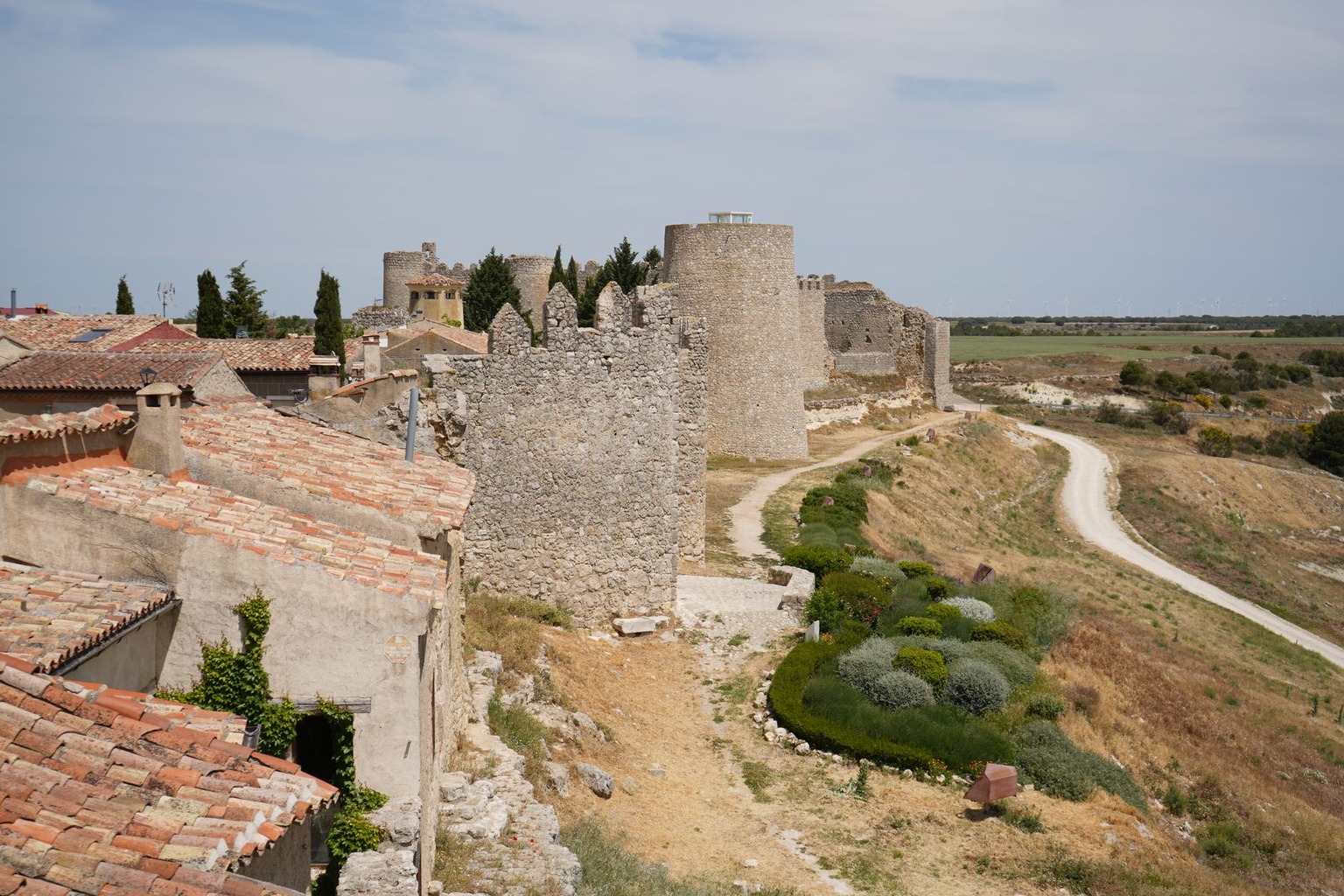
Next, evaluate the logistical support systems within the castle. Map the storerooms, water cisterns, and supply routes that sustained the garrison during prolonged sieges. Consider how the Templar order’s emphasis on self‑sufficiency might have influenced the castle’s provisioning strategy. These details reveal the practical challenges the defenders faced when the siege stretched to months.
Templar final fortress battle: Chronicle the Siege’s Chronological Phases
Break the siege into distinct phases: the initial bombardment, the breakout attempts, the internal council meetings, and the final surrender. Assign dates and key actors to each phase, noting how the Templar leadership responded to evolving threats. This chronological mapping provides a step‑by‑step guide for historians reconstructing the event.
Use this timeline to identify turning points where decisions shifted the siege’s outcome. For example, examine the moment when the French forces breached the outer wall and how the Templars rallied their men. Highlight these critical junctures to illustrate the dynamic nature of the battle and the order’s adaptive strategies.
Decode Templar Tactics and Leadership Decisions
Analyze the tactical choices made by Templar commanders, such as the use of archers on the walls, the deployment of siege engines, and the organization of counter‑attacks. Compare these tactics to those employed by other contemporary orders to gauge innovation versus tradition. This comparison reveals how the Templars’ military doctrine evolved under pressure.
Investigate leadership decisions at the council level. Review minutes from council meetings, if available, to understand how the order balanced religious vows with military necessity. Note any dissent among knights and how the Grand Master addressed it. This insight shows how organizational culture influenced battlefield outcomes.
Translate Historical Outcomes into Modern Organizational Insights
Apply lessons from the siege to contemporary organizational resilience. Identify how the Templars’ failure to secure external alliances mirrored modern companies’ neglect of strategic partnerships. Use the castle’s logistical shortcomings to illustrate the importance of supply chain robustness in high‑pressure environments.
Finally, extract actionable steps for modern leaders: conduct regular risk assessments, maintain diversified support networks, and embed adaptive decision‑making processes. By studying the Templar final fortress battle, managers can learn how rigid structures and insufficient contingency planning can lead to collapse, even for the most storied institutions.

I’ve always been fascinated by how societies and organizations shape history and everyday life. Writing about the interplay between cultural movements and institutional structures lets me explore the stories that connect past and present. I love digging into archives and sharing insights that help readers understand our collective journey.