The dissolution of the Knights Templar in the early 14th century sent shockwaves through medieval Europe, leaving behind a legacy shrouded in mystery and speculation. Among the most enduring legends is the claim that the Order possessed secret knowledge encoded within specific volumes, now known as the Templar forbidden texts. These works were alleged to contain heretical doctrines, ancient mystical teachings, and financial records that threatened the stability of both church and state. The suppression of these manuscripts was not merely an act of religious orthodoxy but a calculated political maneuver to erase a powerful institution. Understanding what was lost requires a look at the specific charges leveled against the Templars and the subsequent efforts to purge their intellectual property. The surviving fragments suggest a complex blend of Gnostic influences and knightly mysticism that the Church deemed dangerous. Today, historians piece together the puzzle through Inquisition records and the testimonies of former brothers who were forced to recant under torture. The story of these banned books serves as a stark reminder of how power structures attempt to control narrative and knowledge.
The Initial Arrests and the Confiscation of Archives
The morning of Friday, October 13, 1307, marked the beginning of a systematic purge that would target the Templar network across France and beyond. King Philip IV, deeply in debt to the Order and eager to seize its vast wealth, orchestrated the simultaneous arrest of hundreds of knights and officials. In the chaos that followed, royal agents stormed Templar commanderies, seizing not only gold and land but also the library of manuscripts housed within these fortified sites. The inventory lists compiled at the time describe a collection of volumes ranging from theological treatises to secret ritual manuals. These texts were immediately transported to the royal treasury, where they were cataloged under strict supervision. The objective was clear: to eliminate any source of independent authority that the Templars might wield. By removing the physical artifacts, the crown hoped to dismantle the intellectual foundation of the organization. The fate of these confiscated works remains a subject of intense debate among medieval scholars.
Among the most frequently cited titles in the trial transcripts is the so-called Patriarchal Constitution, a document alleged to outline the secret governance of the Order. Accusations surfaced that this text promoted a dualistic worldview, suggesting a hidden deity distinct from the Christian God. Another frequently mentioned work was rumored to contain instructions for a mystical initiation rite that involved the veneration of a mysterious head, often identified in later folklore as Baphomet. The Inquisitors treated these texts as primary evidence of heresy, using excerpts to bolster their case against the defendants. The mere possession of such volumes was enough to seal a prisoner’s fate, regardless of the actual content. The burning of these manuscripts became a public spectacle, designed to demonstrate the Church’s power over forbidden knowledge. What remains tantalizing is the possibility that copies were hidden by sympathetic locals or smuggled out of the arrest sites before the royal seals were applied.
The Role of the Papal Inquisition in Text Suppression
The papal bull Vox in excelso, issued by Pope Clement V in 1312, officially dissolved the Order, but the enforcement of intellectual censorship fell to the Inquisition. This new body was tasked with hunting down heretical ideas, and the Templar forbidden texts became prime targets for investigation. Inquisitors meticulously cross-referenced the seized manuscripts with known heretical works, looking for synergies that might undermine orthodox doctrine. The process was methodical: any text that questioned the nature of the Trinity or the efficacy of the sacraments was flagged for destruction. The Inquisition’s archives reveal a systematic burning of books in public squares, intended to send a clear message to any would-be challengers. This was not a random purge but a calculated effort to close the loop on Templar influence. The theological stakes were high, as the Church sought to prevent the spread of what they perceived as dangerous philosophical heresies. The suppression of these works effectively erased a significant chapter of medieval intellectual history from the official record.
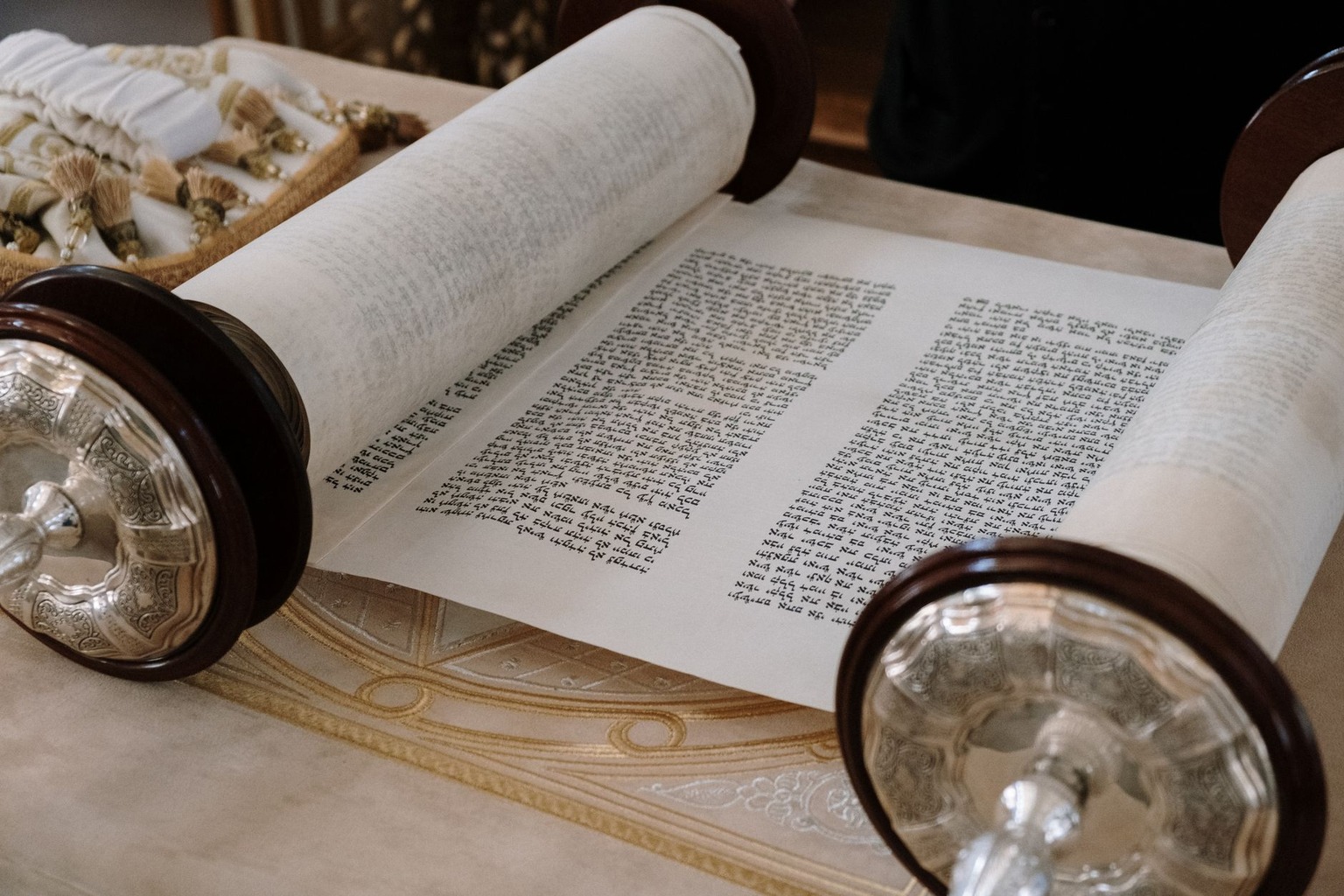
Furthermore, the Inquisition established a network of informants who scoured monasteries and universities for any residual Templar influence. Suspicion fell on scholars who had previously hosted Templar visitors or who owned texts with suspicious marginalia. In some regions, the mere possession of a Latin grammar book was enough to trigger scrutiny if the owner had previously been associated with the Order. The fear was that hidden commentaries or exegetical notes might contain coded references to the banned literature. This climate of fear led many legitimate scholars to destroy their own collections preemptively, fearing guilt by association. The result was a tragic loss of knowledge, as many harmless texts were lost alongside the truly subversive ones. The legacy of this paranoia can still be seen in the gaps of medieval bibliographies, where entire categories of study seem to vanish without a trace.
The Survival of Secret Copies and Oral Tradition
Despite the best efforts of the crown and the Church, the complete eradication of Templar knowledge proved impossible. A resilient network of underground scribes and sympathetic nobles is believed to have preserved copies of the most vital texts in secret chambers and remote fortresses. These clandestine copies often found their way into the libraries of loyal monarchs who sought to use the financial acumen of the Templars for their own statecraft. Oral tradition also played a crucial role, as surviving brothers passed down fragmented memories of the rituals and teachings in code. This method of transmission ensured that the core ideas survived, even if the specific wording of the original manuscripts was lost. The interplay between written text and oral legend created a fluid version of the story that evolved over centuries. By the time the Renaissance arrived, the lore of the Templars had been transmuted into the secret societies that fascinated early modern thinkers.
On The Why Files channel, they cover the hidden history and secret quests of the Knights Templar, and you can watch it right here.
Interestingly, some of the so-called forbidden texts may have been deliberately misattributed or altered to confuse future historians. The practice of recycling parchment, known as palimpsesting, was common in the medieval period, and many original Templar writings were scraped clean to make room for new religious texts. However, modern forensic techniques, such as ultraviolet imaging, have begun to recover the underlying ink. These technological revelations have sparked a reevaluation of the “banned” status of certain works. It turns out that some of the texts previously thought to be purely heretical contained sophisticated legal commentary or astronomical data. The distinction between forbidden knowledge and useful scholarship became blurred as the centuries passed. The survival of these fragments offers a glimpse into a world where finance, mysticism, and military strategy were inextricably linked.
The Modern Rediscovery and Academic Reevaluation
In the centuries following the suppression, the myth of the Templar forbidden texts grew, fueled by romantic literature and popular media. However, the 19th and 20th centuries saw a shift toward serious historical inquiry, as scholars gained access to previously locked Vatican archives. Academic presses began publishing critical editions of the trial records, complete with commentary that contextualized the charges against the Order. This new wave of scholarship sought to separate the legendary from the factual, analyzing the political motivations behind the censorship. The result was a more nuanced understanding of the Templars as a complex institution rather than a monolithic cult of heresy. Modern historians now view the banned books as artifacts of a bygone era, reflecting the tensions between emerging nation-states and powerful multinational orders. The reevaluation has also sparked interest in the actual content of the texts, beyond the sensationalist accusations of the Inquisition.

Today, the study of the Templar forbidden texts serves as a case study in the sociology of knowledge and power. Researchers examine how regimes use the destruction of literature to legitimize their authority and rewrite history. The Templar case is particularly interesting because it involves a military order that was both a religious entity and a financial powerhouse. The banned books represented a threat not just to spiritual orthodoxy, but to the economic models of the time. By studying the fate of these manuscripts, scholars can better understand the mechanisms of censorship that persist to this day. The digital age has further complicated the narrative, as attempts to digitize the remaining fragments make them more accessible than ever before. Yet, the mystery of what was truly lost continues to captivate the imagination of both academics and the general public alike.

I’ve always been fascinated by how societies and organizations shape history and everyday life. Writing about the interplay between cultural movements and institutional structures lets me explore the stories that connect past and present. I love digging into archives and sharing insights that help readers understand our collective journey.