The Poor Fellow-Soldiers of Christ and of the Temple of Solomon built an impressive maritime network that connected Western Europe with the crusader states in the Levant during the twelfth and thirteenth centuries. Maritime operations required substantial financial investment, skilled shipbuilders, and strategic harbor access across the Mediterranean basin. To understand how these warrior monks established financial dominance through logistics, historians must examine the operational blueprint of templar ships and their impact on medieval trade networks. This guide outlines the sequential phases necessary to reconstruct, analyze, and appreciate the vast naval infrastructure managed by the order. Researchers need to begin by establishing the historical prerequisites before diving into port administration, cargo management, fleet maintenance, and security protocols.
Establishing Naval Prerequisites and Port Infrastructure
Analyzing medieval maritime logistics demands a clear understanding of the infrastructural requirements needed to support large fleets in foreign ports. The order routinely acquired or leased strategic real estate along the Mediterranean coast, transforming small fishing harbors into heavily fortified naval hubs. These locations included crucial bases in Acre, Marseille, and various coastal towns in the Kingdom of Cyprus, which provided safe anchorage during seasonal storms. Historians must map these harbor locations to comprehend the geographic scope of their shipping routes and the commercial dependencies they created among Italian maritime republics. Local authorities frequently granted tax exemptions and docking privileges to the order in exchange for military protection and financial loans.
Securing adequate timber supplies and dry dock facilities represented another major prerequisite for sustaining ocean-going vessels across decades of continuous service. Shipwrights relied on dense oak and pine forests in southern Europe to construct heavy hulls capable of withstanding rough seas and carrying massive commercial payloads. These building projects required skilled labor forces consisting of carpenters, sailmakers, and iron smiths who operated under strict monastic discipline within coastal shipyards. Financial administrators funded these operations through incoming donations, tithes, and revenues generated by extensive agricultural estates scattered throughout the European interior. Without this reliable backing, maintaining a fleet of durable templar ships would have remained financially impossible for any single medieval institution.
Acquiring and Constructing Heavy Transport Vessels
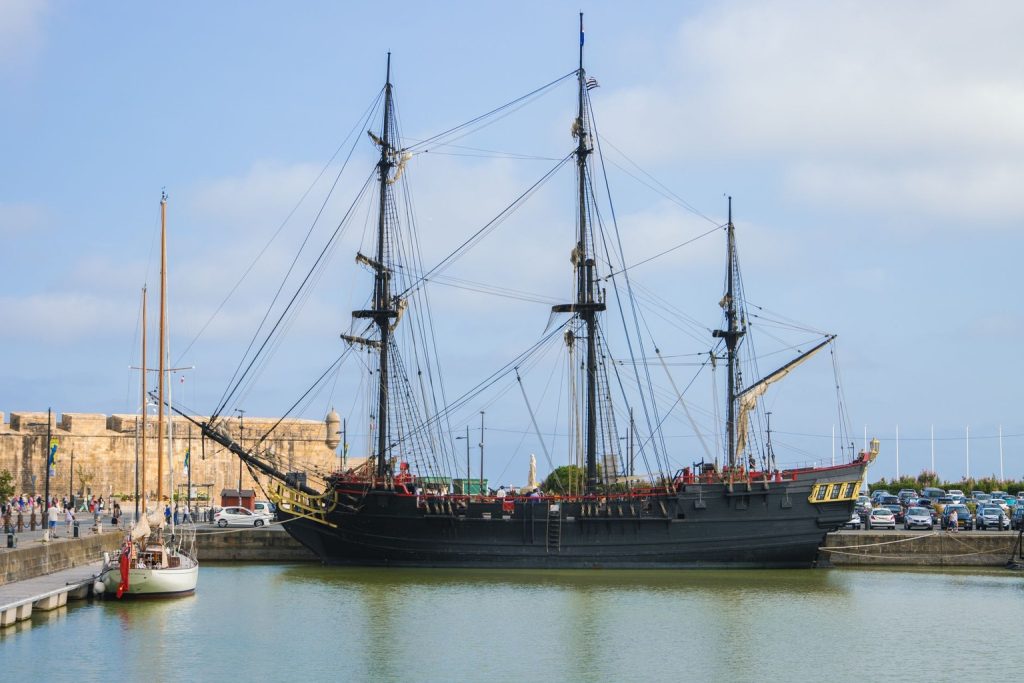
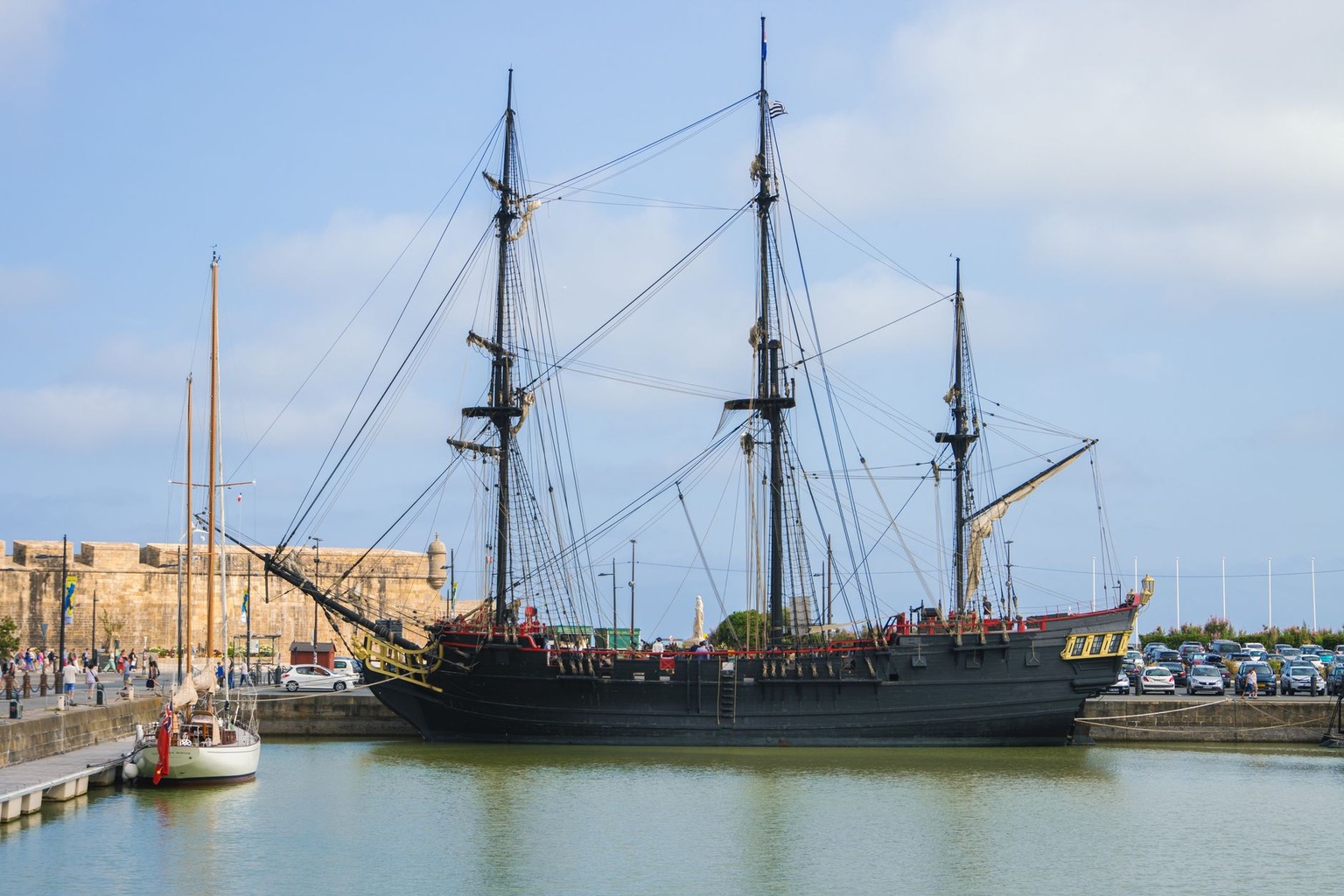
The second phase involves studying the specific architectural designs and construction techniques utilized to build reliable cargo and passenger carriers. Unlike the slender rowing galleys used primarily for swift naval combat, ocean-going vessels favored by the order were heavy round ships known as busses or buCENTaurs. These round hulls offered vastly superior cargo capacity, allowing administrators to transport hundreds of armed pilgrims, horses, and bulk commodities simultaneously. Naval architects designed these vessels with dual side rudders and high sides to deter boarders and survive turbulent open-water crossings between Europe and the Holy Land. Each hull was meticulously caulked with pitch and tar to prevent water seepage, a constant hazard during long voyages across unpredictable seas.
Constructing these massive hulls required careful coordination between monastic overseers and secular craftsmen who understood the nuances of medieval marine engineering. Master shipbuilders calculated cargo weight distribution meticulously to ensure the vessels maintained stability during violent Mediterranean gales and pirate attacks. Masts were typically stepped securely into reinforced keels to support massive square-rigged sails that caught favorable prevailing winds along established maritime lanes. Economic records indicate that building a single trans-Mediterranean transport drained significant resources, making fleet expansion a slow and deliberate process. Yet the utility of templar ships justified the immense capital expenditure by securing safe transit for both sacred relics and valuable commercial merchandise.
Managing Passenger Logistics and Pilgrim Transport
The third phase focuses on the complex administrative procedures required to manage passenger manifests, pilgrim safety, and daily provisions at sea. Transporting thousands of crusaders, diplomats, and ordinary pilgrims annually generated significant revenue while establishing the order as a trusted travel provider. Administrative officials drafted detailed contracts outlining ticket prices, meal provisions, and liability terms for lost luggage or shipwreck before departure. These agreements ensured that travelers understood their obligations and rights while aboard, minimizing onboard disputes during long weeks at sea. The organization collected fares in advance through its sophisticated European branch network, demonstrating an early form of international banking and travel insurance.
For a deeper look into how these maritime networks operated, Echoes Unearthed explains the subject thoroughly in this video, which you can watch right here.
Feeding and watering hundreds of passengers in cramped quarters demanded precise logistical planning and strict rationing of perishable foodstuffs. Stewards loaded vast quantities of hardtack bread, salted meat, dried legumes, and heavy wine into the hold before setting sail from major European ports. Large casks of fresh rainwater were monitored constantly to prevent spoilage and ensure hydration during calms or adverse winds. Passengers slept on open decks or in crowded below-deck compartments, enduring harsh conditions in exchange for spiritual salvation or diplomatic access. This systematic approach to pilgrim management allowed templar ships to operate with high efficiency compared to independent merchants who lacked centralized oversight.
Integrating Commercial Cargo and Financial Transfers
The fourth phase explores the integration of commercial trade goods and secure financial transfers into regular maritime sailing schedules. Beyond transporting passengers, the order utilized its naval assets to move bulk commodities such as olive oil, wine, grain, and timber across regional markets. These commercial ventures generated steady profits that funded military campaigns in the East and administrative operations back in Paris and London. Merchant captains acted as trusted commercial agents, buying and selling goods at various ports of call to maximize return on investment for the central treasury. This commercial network created a resilient economic engine that survived geopolitical shifts and territorial losses in the crusader states.
Simultaneously, the transport of precious metals, minted coin, and written credit instruments formed a cornerstone of international medieval finance. Wealthy nobles and monarchs frequently deposited funds in European commanderies and requested equivalent payouts in the Levant, utilizing the maritime network for secure asset transfer. Armed guards maintained constant vigilance over the shipboard strongboxes, protecting valuable cargoes from pirates and treacherous crew members alike. The presence of templar ships reassured merchants that their investments would arrive safely, fostering robust trade relations across cultural and political divides. This seamless movement of capital laid foundational practices for modern banking and international commerce long before the Renaissance.
Navigating Security Protocols and Naval Defense
The fifth phase requires examining the security measures and defensive protocols implemented to protect maritime assets from piracy and hostile fleets. The Mediterranean was fraught with danger, ranging from independent corsairs to rival fleets belonging to maritime city-states like Genoa and Venice. Commanders armed their vessels with heavy wooden bulwarks, stone-throwing engines, and specialized archer platforms to repel boarders during hostile encounters. Brothers of the order, trained extensively in combat, served as marine guards and provided tactical leadership during crises at sea. This militarized approach ensured that commercial cargoes rarely fell into enemy hands, preserving the financial stability of the organization.
Establishing diplomatic arrangements and safe passage agreements with friendly Muslim rulers and regional powers formed another layer of operational security. Captains carried official letters of transit and utilized well-established signals to communicate peacefully with harbor authorities upon arrival at foreign ports. Intelligence networks operated across coastal towns to warn fleets of impending pirate activity or political unrest before ships departed from safe havens. Despite these precautions, naval warfare resulted in occasional losses, prompting the leadership to continuously update their defensive tactics and vessel designs. Protecting templar ships remained an absolute priority for safeguarding both the physical wealth and the political prestige of the organization.
Addressing Common Operational Mistakes in Historical Analysis
The sixth phase involves identifying and correcting common misconceptions regarding the maritime activities and economic motivations of the military orders. Modern observers frequently romanticize these naval operations as purely religious missions, ignoring the sophisticated capitalist strategies that drove their commercial expansion. Another common error involves confusing the heavy round transport vessels with agile war galleys, leading to inaccurate assumptions about naval combat capabilities. Researchers must also avoid viewing the organization as a monolith, because local commanders often exercised significant autonomy in managing their regional shipping interests. Recognizing these nuances prevents oversimplification and yields a more accurate picture of medieval economic history.

Failing to account for seasonal sailing restrictions represents a critical pitfall when analyzing the timing and frequency of Mediterranean maritime voyages. Medieval captains rarely attempted open-water crossings between November and March due to violent winter storms that routinely wrecked unwary ships. Administrative planning therefore revolved around predictable sailing seasons, concentrating commercial activity during spring and summer months to minimize catastrophic losses. Analysts who ignore these environmental constraints often misinterpret the pacing of financial transactions and cargo deliveries documented in surviving archives. Avoiding such pitfalls ensures a rigorous and historically sound understanding of how the network actually functioned.
Maximizing Historical Research and Archival Sources
The final phase focuses on locating, evaluating, and synthesizing primary archival sources to deepen contemporary knowledge of medieval maritime networks. Scholars should examine surviving cartularies, papal bulls, port customs records, and legal contracts housed in European archives to gather empirical data. Cross-referencing these documents with archaeological findings from underwater shipwrecks provides tangible evidence of construction methods, cargo types, and trade routes. Researchers should also investigate secondary literature concerning Italian maritime republics to understand the competitive environment in which these transport vessels operated. Systematic study of these records illuminates the remarkable scale and sophistication of medieval organizational logistics.
Synthesizing archaeological and documentary evidence allows historians to reconstruct the daily realities of life aboard these medieval vessels with remarkable precision. Analyzing port dues, tax exemptions, and cargo manifests reveals the meticulous bookkeeping practices that sustained the overarching enterprise for centuries. Modern historians must maintain critical objectivity, balancing institutional propaganda with hard economic data found in financial account books. Through such rigorous investigative methods, the true significance of templar ships within the broader scope of medieval economic evolution becomes fully apparent. This comprehensive approach ensures that the legacy of their maritime achievements is recorded accurately for future generations of scholars.

I’ve always been fascinated by how societies and organizations shape history and everyday life. Writing about the interplay between cultural movements and institutional structures lets me explore the stories that connect past and present. I love digging into archives and sharing insights that help readers understand our collective journey.