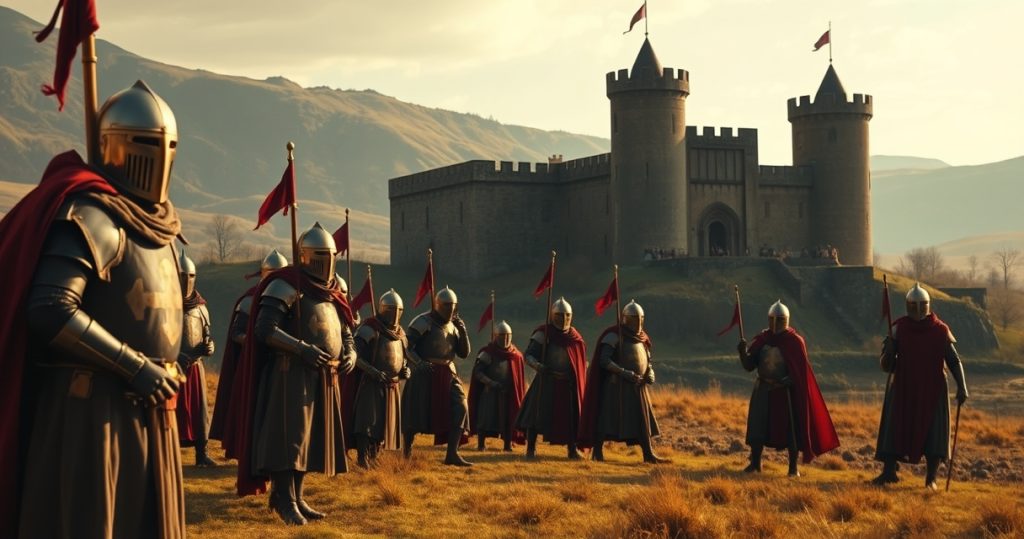
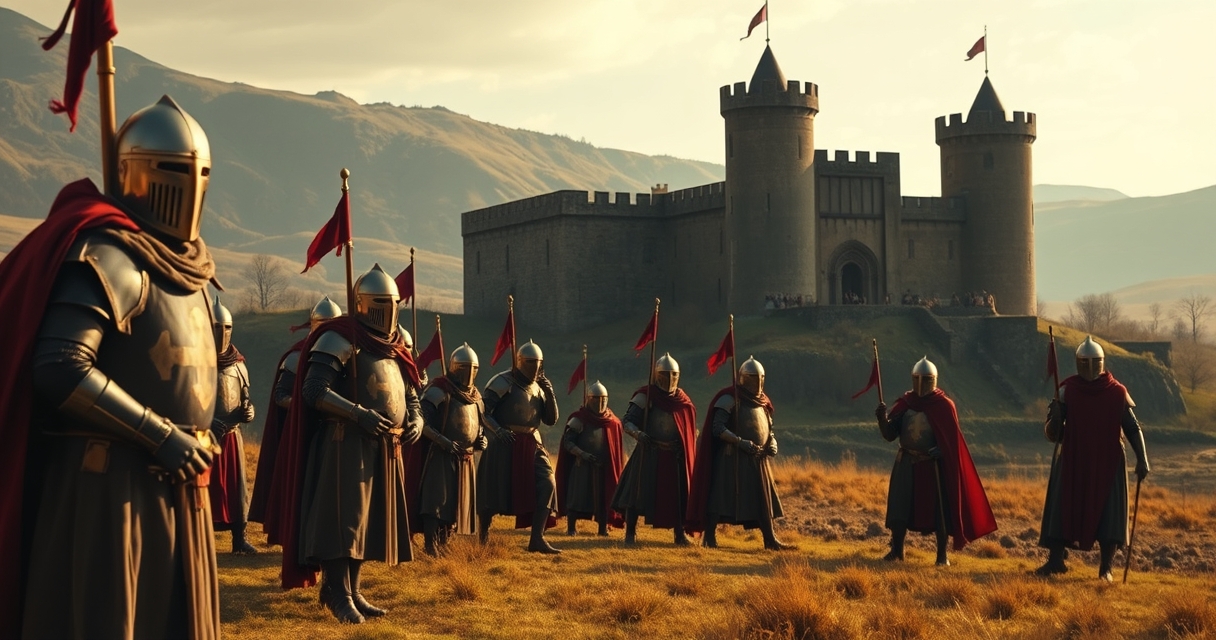
The Knights Templar, officially known as the Poor Fellow-Soldiers of Christ and of the Temple of Solomon, emerged in the early 12th century during the aftermath of the First Crusade. Initially formed to protect Christian pilgrims traveling to the Holy Land, the order rapidly evolved into a powerful military and financial entity. Their influence extended far beyond the battlefield, significantly impacting political landscapes across Europe and the Middle East. This article explores the multifaceted political influence of the Knights Templar, analyzing their role in medieval society, their relationships with monarchs and the Church, and the eventual decline that culminated in their dissolution.
The Rise of the Knights Templar
The Knights Templar were founded around 1119, shortly after the First Crusade. Their primary mission was to ensure the safety of pilgrims in the Holy Land, which was fraught with danger. The order received significant backing from the Church, especially after gaining the endorsement of Pope Innocent II in 1139. This papal support allowed the Templars to establish a network of commanderies across Europe, which became crucial for their logistics and funding. The Templars became known not only for their military prowess but also for their organizational skills, effectively creating a proto-banking system that facilitated the transfer of funds and the management of wealth for nobles and monarchs.
As the Templars expanded, they amassed considerable wealth and land, which further augmented their influence. By the 13th century, they operated numerous castles, farms, and estates across Europe and the Middle East. This economic power allowed them to wield significant political clout, often acting as advisers and financiers to kings and nobles. Their rise was emblematic of the shifting power dynamics in medieval Europe, where military orders began to play pivotal roles in both warfare and governance.
Political Alliances and Influence
The Knights Templar’s political influence was largely rooted in their strategic alliances with various monarchs. Kings such as Baldwin II of Jerusalem relied heavily on the Templars for military support in the Crusades. In Europe, figures like King Philip IV of France sought their financial expertise. The Templars provided loans to the French crown, significantly influencing royal policies and military campaigns. Their unique status as both a religious and military order allowed them to navigate the complexities of medieval politics with relative ease.
Moreover, the Templars were often called upon to mediate disputes between rival factions within kingdoms. Their neutrality as a religious order enabled them to act as trusted intermediaries, which further solidified their political standing. Their extensive network of commanderies facilitated communication and cooperation among various European powers, allowing them to maintain a degree of influence that often transcended national borders.
The Templars and the Church
The relationship between the Knights Templar and the Catholic Church was complex and multifaceted. Initially, the Templars enjoyed robust support from the Church, which viewed them as defenders of Christendom. This relationship was instrumental in legitimizing their military campaigns and financial practices. The Templars were granted various privileges, including the ability to operate independently of local bishops and to collect taxes on their lands, which further enhanced their power.
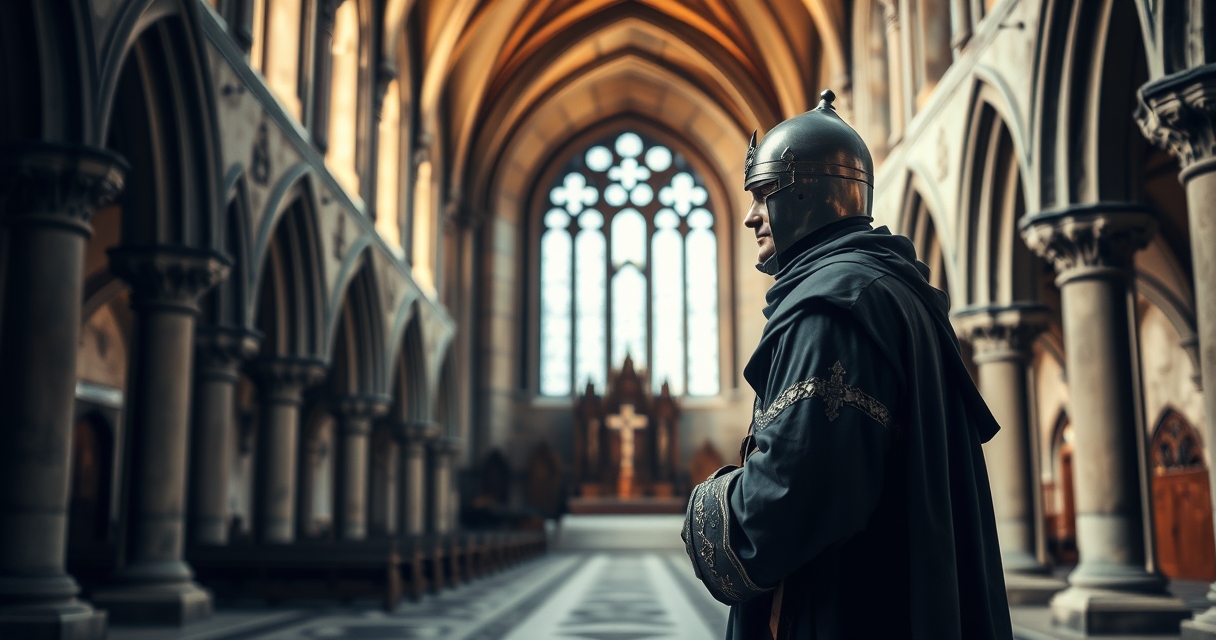
However, as the Templars grew in wealth and influence, tensions began to surface. Some Church leaders viewed their power with suspicion, fearing that the Templars might rival the Church’s authority. This unease was exacerbated by the Templars’ secretive rituals and the growing public perception of them as a shadowy organization. Ultimately, the Church’s support waned, paving the way for the Templars’ downfall.
The Fall of the Knights Templar
The decline of the Knights Templar can be traced back to the early 14th century, when King Philip IV of France, heavily indebted to the order, sought to eliminate them to seize their wealth. On Friday, October 13, 1307, a coordinated effort resulted in the arrest of many Templar leaders across France. Philip accused the Templars of heresy, blasphemy, and other criminal activities, a move that shocked the medieval world. Under torture, many Templars confessed to false charges, which fueled the king’s campaign against the order.
The subsequent trial led to the dissolution of the Templar order by Pope Clement V in 1312, effectively ending their political influence. Many Templar properties were transferred to rival orders, such as the Knights Hospitaller, while the remaining members faced persecution or execution. The fall of the Templars marked a significant shift in the political landscape of medieval Europe, as their absence created a power vacuum that other military orders and secular authorities quickly filled.
Legacy of the Knights Templar in Political History
The Knights Templar left an indelible mark on political history, influencing both contemporary and modern perceptions of power and secrecy. Their intricate financial systems laid the groundwork for modern banking practices, showcasing the interplay between commerce and political influence. The Templars’ organizational structure and governance models are often cited as precursors to modern corporations and non-governmental organizations.
Furthermore, the dramatic narrative surrounding their downfall has fueled countless myths and conspiracy theories, leading to a fascination with the Templars that persists today. Their legacy is evident in various cultural depictions, from literature to film, where they are often portrayed as guardians of hidden knowledge and power. This mythologization reflects the enduring intrigue surrounding the intersection of faith, power, and politics.
The Knights Templar in Modern Political Discourse
In contemporary discussions about power dynamics, the Knights Templar are often invoked as symbols of both religious zeal and political maneuvering. Their story serves as a reminder of how organizations can wield significant influence, both positively and negatively, within society. The Templar legacy has been reinterpreted by various groups, from neo-Templar organizations to political movements, each seeking to draw on their historical significance to bolster their agendas.
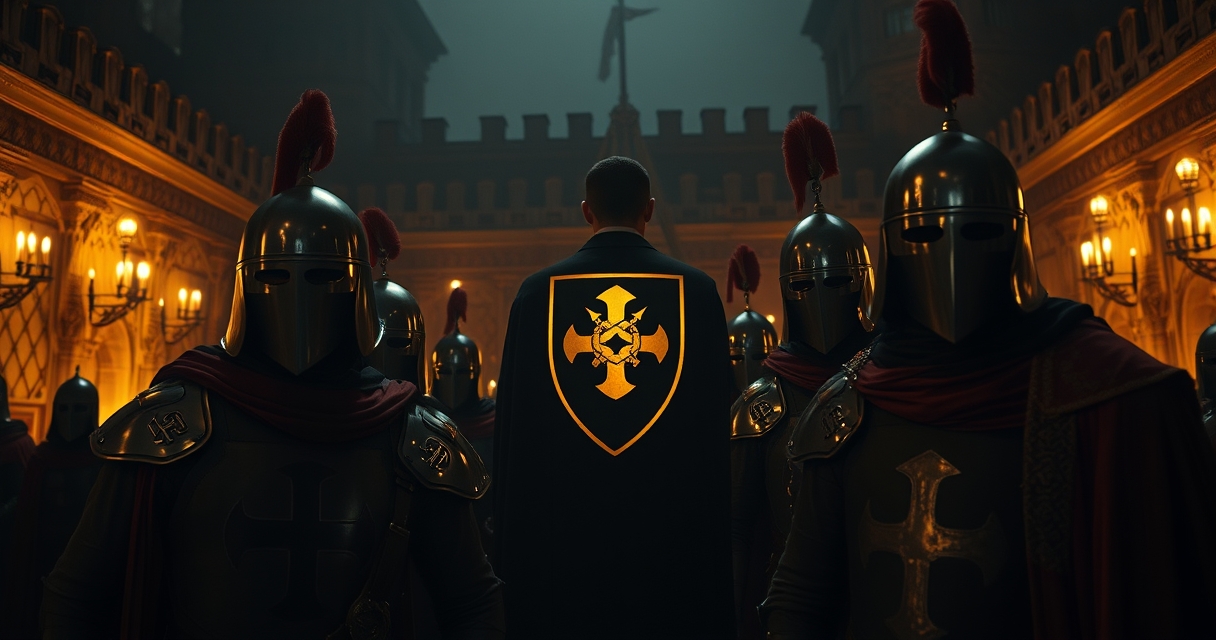
The fascination with the Templars also reflects broader societal themes, such as the struggle between authority and individualism. As modern societies grapple with issues of governance, transparency, and accountability, the Templar narrative offers insights into the complexities of power relations. Their historical experience serves as a cautionary tale about the dangers of unchecked authority and the potential consequences of political intrigue.
Conclusion: The Enduring Influence of the Knights Templar
The Knights Templar’s political influence during the medieval period was profound and multifaceted, shaping the course of history in ways that continue to resonate today. From their strategic alliances with monarchs to their complex relationship with the Church, the Templars navigated a landscape of power that was both volatile and dynamic. Their legacy endures, not only in historical studies but also in popular culture and contemporary political discourse. The story of the Knights Templar is a fascinating exploration of the interplay between faith, power, and the intricate web of political influence that defines human history.

I’ve always been fascinated by how societies and organizations shape history and everyday life. Writing about the interplay between cultural movements and institutional structures lets me explore the stories that connect past and present. I love digging into archives and sharing insights that help readers understand our collective journey.