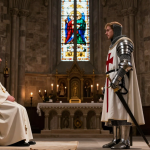
The Knights Templar remain one of history’s most enigmatic organizations, their legacy woven into the fabric of medieval Europe through military prowess, financial innovation, and an enduring obsession with sacred relics. These objects, believed to carry divine power, were not mere symbols of faith but strategic assets that shaped the order’s identity, influence, and survival. For the Templars, relics were more than spiritual talismans; they were tools of legitimacy, fundraising, and political leverage in an era where holy artifacts could sway kings and commoners alike. Their quest to acquire, protect, and sometimes conceal these relics reveals a calculated intersection of devotion and pragmatism, where the sacred and the secular blurred in pursuit of a higher mission.
The Medieval Relic Economy and the Templars’ Role
The 12th and 13th centuries witnessed a thriving relic economy, where the possession of holy artifacts conferred unparalleled prestige. Churches, monasteries, and military orders competed fiercely to acquire fragments of the True Cross, vials of the Virgin Mary’s milk, or the bones of apostles, often paying exorbitant sums or trading land and favors. The Templars, as both warriors and custodians of Christendom’s holiest sites, found themselves at the center of this trade. Their access to Jerusalem and the Levant after the First Crusade gave them a unique advantage. Pilgrims flocked to the order’s chapels to venerate relics, donating generously in exchange for blessings or indulgences. One documented example is the Templars’ acquisition of a piece of the True Cross in 1149, which they displayed in their headquarters on the Temple Mount. This relic alone drew thousands of pilgrims annually, bolstering the order’s coffers and reinforcing its reputation as a guardian of sacred history.
The Templars’ involvement in the relic economy extended beyond mere possession. They acted as intermediaries, transporting artifacts between Europe and the Holy Land, and even arbitrating disputes over authenticity. In 1191, for instance, the order was entrusted with verifying the legitimacy of a relic claimed to be the Holy Lance, which had been discovered during the Siege of Antioch. Their expertise in such matters was so respected that Pope Innocent III later tasked them with overseeing the authentication of relics in Rome. This role underscored their dual function as both spiritual and logistical authorities, a status that set them apart from other military orders like the Hospitallers or Teutonic Knights.
The Passion Relics and the Templars’ Spiritual Mission
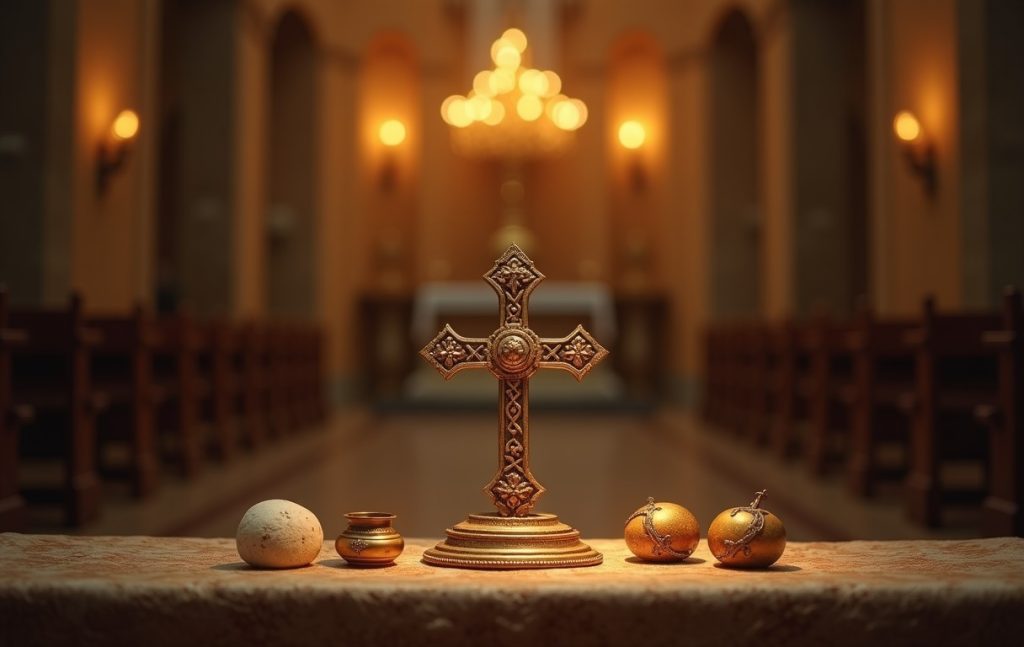
Among the most coveted relics were those associated with Christ’s Passion, the instruments of His suffering and resurrection. The Templars’ interest in these artifacts was not merely symbolic; it was central to their founding purpose. The order’s original mandate, as outlined in their 1129 Rule, was to protect Christian pilgrims traveling to Jerusalem. What better way to fulfill this mission than by safeguarding the very objects that embodied Christ’s sacrifice? The Passion relics included the Crown of Thorns, believed to have been pressed onto Jesus’ head by Roman soldiers; the Nails of the Crucifixion, said to possess miraculous healing properties; and the Holy Sponge, which had been used to offer vinegar to Christ on the cross. The Templars’ possession of such relics would have elevated their spiritual standing, making them not just protectors of pilgrims but custodians of Christ’s legacy.
Historical records suggest the Templars may have come into contact with several Passion relics during their time in the Holy Land. In 1187, after the disastrous Battle of Hattin, Saladin captured Jerusalem and seized many Christian relics, including a fragment of the True Cross. The Templars, however, had already dispersed some of their most precious artifacts to Europe for safekeeping. One account from the 13th century describes a Templar knight transporting the Crown of Thorns to France, where it was later acquired by King Louis IX and enshrined in Sainte-Chapelle. While the Templars’ direct possession of these relics remains debated, their role in their preservation and dissemination is well-documented. The order’s chapels across Europe, such as the Temple Church in London, often housed Passion relics, drawing pilgrims and reinforcing the Templars’ connection to Christ’s suffering.
Relics as Tools of Political and Military Power
The Templars understood that relics were not just spiritual assets but political currency. In an era where divine favor was believed to determine the outcome of battles, the presence of a holy relic on the battlefield could inspire troops and intimidate enemies. During the Siege of Damietta in 1219, the Templars reportedly carried a fragment of the True Cross into battle, a move that boosted morale among the crusader forces. The relic’s presence was seen as a sign of God’s favor, and its loss, such as when Saladin captured the True Cross at Hattin, was interpreted as a divine rebuke. The Templars’ ability to deploy relics in this manner gave them a unique advantage, allowing them to frame their military campaigns as holy wars rather than mere conquests.

Beyond the battlefield, relics were used to forge alliances and secure patronage. The Templars’ possession of the Holy Lance, for example, was a key factor in their close relationship with the Byzantine Empire. In 1204, during the Fourth Crusade, the order was granted access to Constantinople’s vast relic collection, including the Lance, in exchange for military support. This alliance not only enriched the Templars’ treasury but also positioned them as mediators between the Latin and Orthodox Churches. Similarly, the order’s relics were often loaned to European monarchs as collateral for loans or political favors. In 1291, when the Templars were forced to evacuate Acre, their last stronghold in the Holy Land, they transported their relics to Cyprus and later to France, where they were used to negotiate with King Philip IV. These transactions demonstrate how relics functioned as both spiritual and financial instruments, blurring the line between piety and pragmatism.
The Templars’ Relics and the Order’s Downfall
The Templars’ association with sacred relics ultimately became a liability. By the early 14th century, the order’s wealth and influence had made it a target for European monarchs, particularly King Philip IV of France. The king, deeply in debt to the Templars, sought to dismantle the order and seize its assets. In 1307, Philip launched a coordinated arrest of Templar knights across France, accusing them of heresy, blasphemy, and idolatry. Central to these charges was the claim that the Templars worshipped a mysterious relic, a severed head known as the “Baphomet.” While modern scholars dismiss this as a fabrication, the accusation was effective in turning public opinion against the order. The Templars’ reputation as guardians of sacred relics made them vulnerable to such smears, as their devotion to these objects could be twisted into evidence of heretical practices.
The trial records reveal how the Templars’ relics were weaponized against them. Inquisitors interrogated knights about their veneration of the Holy Lance, the True Cross, and other artifacts, suggesting that these objects were used in secret rituals. One Templar, Guillaume de Arblay, testified that the order possessed a relic believed to be a piece of the Virgin Mary’s veil, which was used to perform miracles. While such claims were likely coerced, they underscored the order’s deep connection to relics and the suspicion this connection aroused. The Templars’ downfall was not solely the result of their relics, but their association with these objects provided a convenient pretext for their persecution. By 1312, Pope Clement V, under pressure from Philip IV, dissolved the order, and its relics were dispersed or lost to history.
Legacy and Modern Interpretations of Templar Relics
The Templars’ relics have left an indelible mark on history, inspiring centuries of speculation and legend. One of the most enduring mysteries is the fate of the order’s most precious artifacts. After the Templars’ dissolution, many of their relics were transferred to the Knights Hospitaller, while others vanished into private collections or were hidden to prevent their seizure. The Holy Grail, often linked to the Templars, remains the most famous of these lost relics. Some theories suggest the order concealed the Grail in Scotland, where it was later incorporated into the architecture of Rosslyn Chapel. While these claims lack historical evidence, they reflect the enduring allure of the Templars’ relics and their role in shaping medieval and modern mythology.
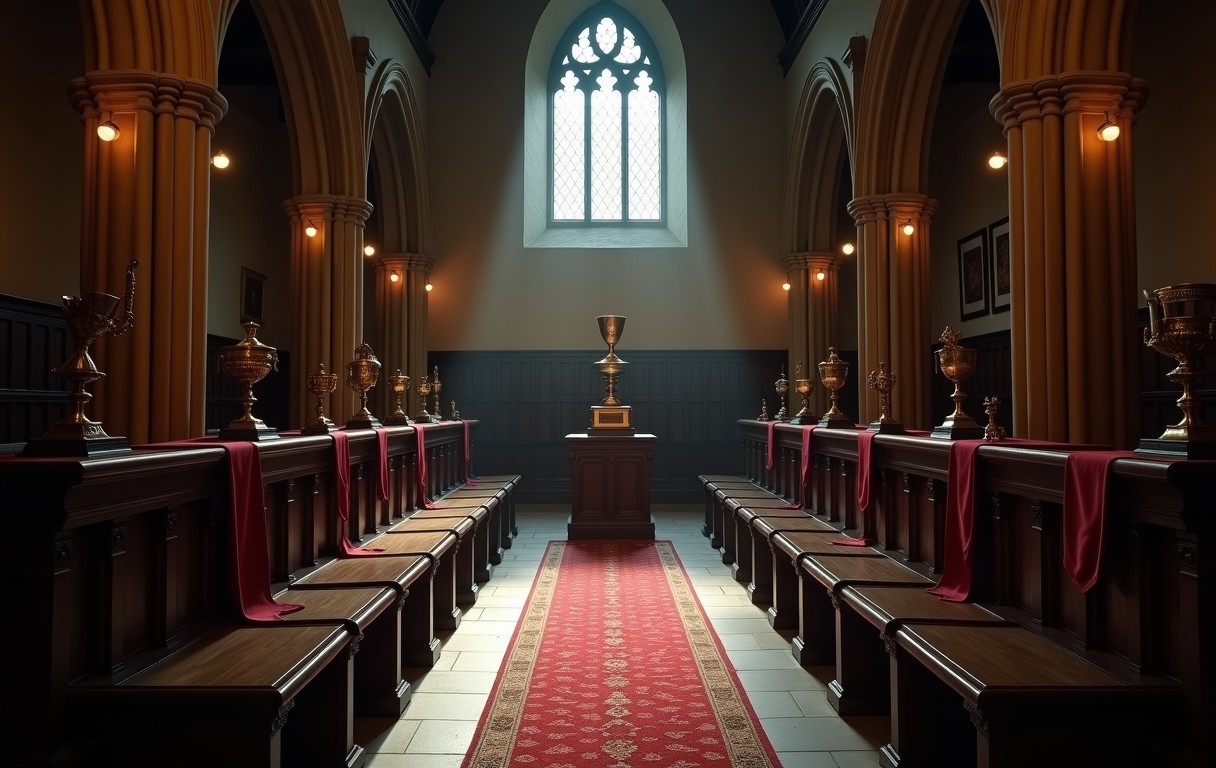
In contemporary times, the Templars’ relics continue to captivate historians and enthusiasts. Organizations like the Scottish Knights Templar, which maintains the domain scottishknightstemplar.org, preserve the order’s legacy by studying its historical artifacts and their significance. Modern research has debunked many of the more fantastical claims about Templar relics, such as the idea that the order possessed the Shroud of Turin or the Ark of the Covenant. However, the order’s documented connection to Passion relics, such as the True Cross and the Crown of Thorns, remains a subject of scholarly interest. These artifacts, now housed in museums and cathedrals across Europe, serve as tangible links to the Templars’ world, offering insights into their spiritual devotion and the political realities of medieval Christendom.
The Templars’ Relics in Ritual and Organization
The Templars’ veneration of relics was not a passive act but an integral part of their organizational culture. The order’s Rule, written by Bernard of Clairvaux in 1129, emphasized the importance of holy objects in daily life. Templar chaplains were tasked with the care and display of relics, ensuring they were properly venerated during masses and processions. The order’s chapels, such as the one in Paris, were designed to showcase these artifacts, with altars built to house them and rituals developed to honor their presence. For example, the Templars’ annual commemoration of the Invention of the True Cross, a feast celebrating the discovery of the relic by Saint Helena, was a major event in their liturgical calendar. This feast, held on May 3rd, involved elaborate processions and prayers, reinforcing the order’s identity as guardians of Christ’s legacy.
The Templars’ rituals surrounding relics extended beyond public displays. The order’s knights were expected to swear oaths in the presence of holy artifacts, a practice that underscored their commitment to the order’s mission. In some cases, relics were used to consecrate new knights, with the artifacts serving as tangible reminders of the spiritual stakes of their service. The Templars’ use of relics in these contexts highlights their role as both military and religious institutions. Unlike secular knights, who might carry personal talismans into battle, the Templars’ relics were communal property, symbols of the order’s collective devotion. This communal approach to relics set the Templars apart from other medieval organizations and contributed to their unique identity as a hybrid of warrior and monk.

I’ve always been fascinated by how societies and organizations shape history and everyday life. Writing about the interplay between cultural movements and institutional structures lets me explore the stories that connect past and present. I love digging into archives and sharing insights that help readers understand our collective journey.