The medieval period left behind a vast physical record of stone and glass, yet the material culture of the Poor Fellow-Soldiers of Christ and of the Temple of Solomon remains remarkably elusive due to institutional erasure. When Pope Clement V suppressed the order in the early fourteenth century, a parallel campaign targeted the visual and architectural output of the knights across Europe. This systematic dismantling forms a core chapter of Templar art censorship history, reflecting a time when ecclesiastical authorities sought to erase not just a political organization, but the very iconography associated with its network. Modern historians face a steep challenge when reconstructing these visual traditions because the physical evidence was broken, melted down, or repurposed into orthodox structures by competing monastic orders.
The Architecture of Secrecy and Power
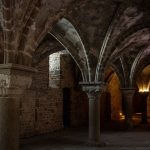
Templar commanderies and circular churches departed sharply from traditional basilican designs, favoring centralized floor plans modeled after the Church of the Holy Sepulchre in Jerusalem. This architectural choice immediately drew suspicion from rival bishops and monastic superiors who viewed autonomous building programs as a challenge to episcopal authority. Local populations observed mysterious geometry and hidden subterranean chambers within these precincts, which fueled rumors of heterodox practices taking place behind locked doors. Church inspectors routinely cataloged these structural deviations as evidence of pride and disobedience, setting the administrative groundwork for future demolitions. Master masons working for the order incorporated symbols that blended Christian motifs with Eastern geometries, creating a distinct visual language that frightened orthodox clergymen.
Defensive fortification merged with sacred purpose in these buildings, producing thick stone walls and narrow apertures that kept outsiders from witnessing internal rituals. The absence of traditional parish oversight meant that regional clergy had no administrative access to the sermons or private devotions conducted inside the chapter houses. This institutional isolation bred deep resentment among secular churchmen who lost tithes and jurisdictional control to the exempt status of the military brothers. When the arrests began in France during the autumn of 1307, royal and papal agents easily convinced local communities that these secretive fortresses housed demonic altars and hidden treasuries. The physical destruction of these sites often started with the demolition of high towers and carved portals that symbolized the worldly power of the commanders.
Preserved fragments of surviving stonework reveal a sophisticated synthesis of Romanesque and early Gothic styles, yet many capitals and corbels show deliberate mutilation by chisel. Faces were battered off statues and ambiguous heraldic devices were chipped away to prevent the veneration of condemned imagery by sympathetic locals. This physical scrubbing of the walls aimed to sever the psychological link between the physical landscape and the memory of the warrior monks. Chroniclers of the period noted that local parishioners often participated in the defacing of these buildings, driven by fear of papal interdicts and royal retribution. Every carved grotesque and decorative foliage motif underwent hostile scrutiny to determine whether it conveyed heretical meanings or hidden theological subversion.
Stained Glass Windows as Targets for Theological Elimination
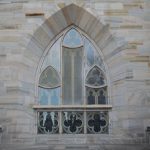
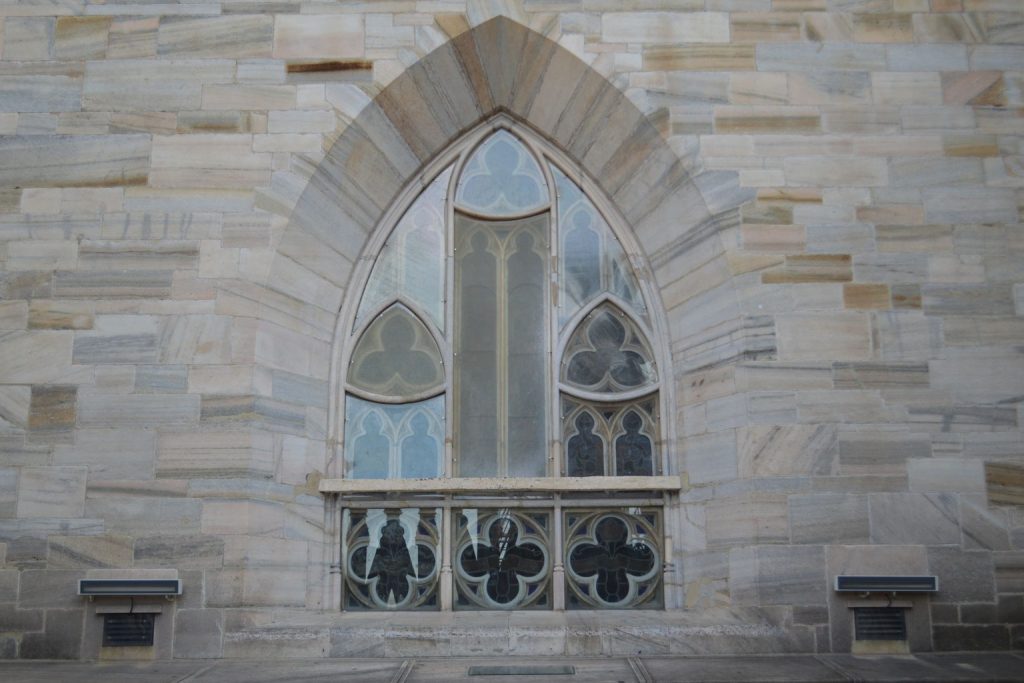
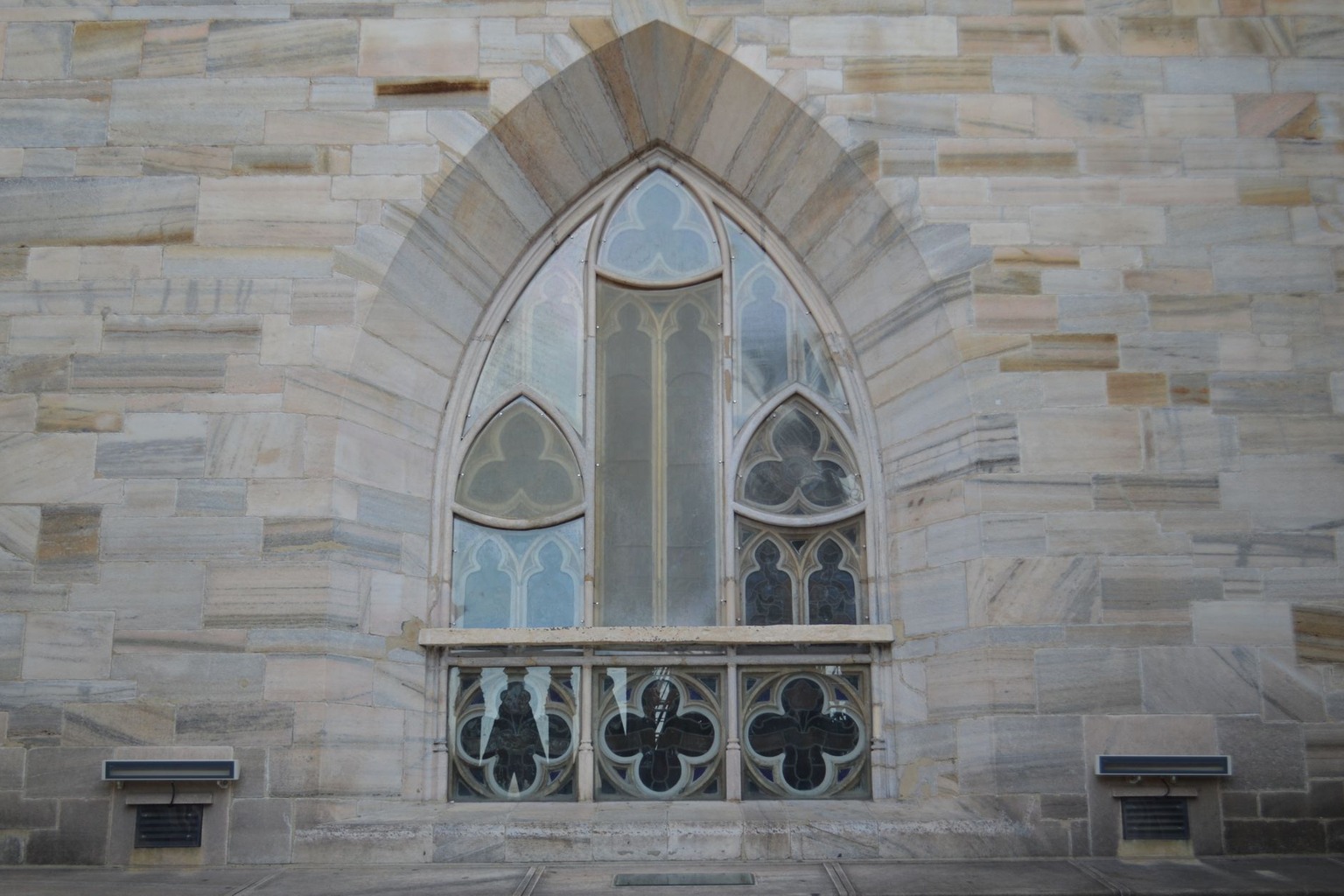
Colored glass panels produced for Templar chapels utilized rich cobalt blues and deep ruby reds that required costly materials and advanced workshop techniques. Church investigators claimed these vibrant windows illuminated secret liturgies that departed from standard Roman Catholic practices during the crucial elevation of the host. Because stained glass served as the poor man Bible in medieval society, authorities worried that unorthodox imagery would corrupt the general public who visited the chapels on feast days. Bishops issued specific visitation mandates requiring the shattering of any glass panel that depicted ambiguous figures or unauthorized astrological symbols. Consequently, very few intact windows from the operational period of the order survive in their original structural context today.
The iconography within these luminous panes often featured knights riding single horses, veiled figures holding sacred vessels, and complex geometric mandalas that defied simple catechetical explanations. Inquisitorial tribunals questioned detained brothers extensively about the meaning of these designs, trying to prove that the windows veiled gnostic or dualist doctrines. Artisans who crafted the glass frequently traveled between different monastic building sites, carrying trade secrets and design patterns that alarmed conservative prelates. When the suppression decree took effect, local dioceses typically ordered the immediate removal of all colored glass to prevent the space from retaining any sacred aura. Workmen climbed scaffolding to smash the panels from the outside, letting the valuable lead and colored fragments crash onto the stone floors below.
Reconstructing the lost visual programs requires meticulous analysis of shattered glass shards recovered from foundation trenches and latrine pits during modern archaeological excavations. Specialists clean and catalog these tiny fragments, matching broken paint strokes to trace the original aesthetic choices of the workshops employed by the commanders. These studies demonstrate that the glass painters utilized sophisticated theological allegories that bridged Western Latin traditions with Byzantine and Islamic artistic conventions. The destruction of this medium robbed medieval art history of a vital link showing how cross-cultural exchange influenced sacred design in the Latin East. Church censors correctly understood that controlling the light entering a sacred space effectively controlled the ideological message absorbed by the congregation.
Sculptural Mutilation and the Eradication of Heraldry
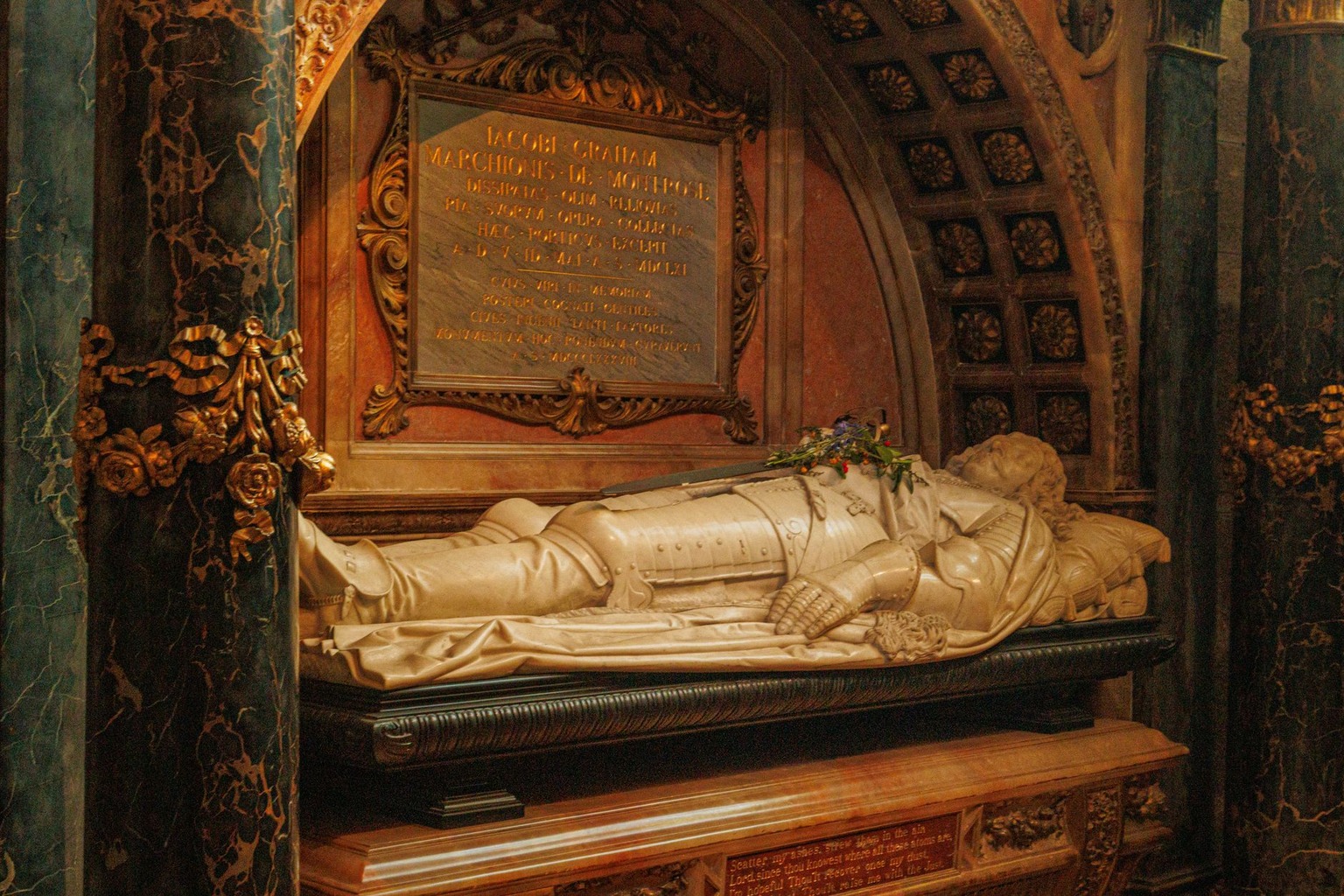
Stone carving served as a primary medium for expressing the corporate identity and military pride of the temple through coats of arms and sculpted patrons. Master sculptors carved elaborate tomb slabs for fallen commanders, featuring full armor, drawn swords, and shields emblazoned with the distinctive red cross. Following the arrest of the members, royal commissioners ordered the immediate destruction of these monuments to prevent pilgrims from turning the graves into shrines. Stonemasons were hired to flatten relief carvings on sarcophagi and scrub inscriptions that recorded the noble lineage of the deceased knights. This targeted erasure aimed to ensure that no physical trace of noble martyrdom remained in the European landscape.
On the Olga Morales channel, they cover the secrets of the Knights Templar, and you can watch it right here.
Portals and tympanums underwent particularly aggressive remodeling because they served as the public threshold between the secular world and the sacred interior of the chapel. Figures of seated rulers and armed protectors flanking the doorways were systematically decapitated or chiseled down to form smooth stone blocks. In some documented cases, the entire facade of a disputed commandery was dismantled stone by stone and rebuilt elsewhere to purge its association with the fallen order. Local bishops supervised these operations personally to guarantee that no heretical symbolism survived the transition of property to rival monastic institutions like the Hospitallers. The speed with which these changes occurred highlights the institutional panic surrounding any visible reminder of Templar influence.
Inventories compiled during the confiscation process list numerous gold and silver reliquaries, carved ivories, and wooden altarpieces that were subsequently melted down or smashed. The precious metals were redirected to fund papal military campaigns or royal debts, while wooden sculptures were burned as suspected instruments of idolatry. This economic incentive compounded the ideological drive for destruction, ensuring that very few portable artworks escaped the purge. Chroniclers recorded enormous bonfires outside major preceptories where furniture, vestments, and carved panels fed the flames for days on end. Such thorough physical annihilation left modern researchers with immense gaps in the material history of medieval devotional practices.
The Mechanics of Inquisitorial Interrogation Over Visual Culture
During the lengthy trials supervised by papal commissioners, imprisoned knights were repeatedly shown objects of art to test their orthodoxy and extract confessions. Inquisitors placed small wooden heads, painted panels, and metal reliquaries before the defendants, demanding to know whether these items were used in secret worship. The famous accusation regarding an enigmatic bearded head, often referred to as Baphomet, stemmed largely from ambiguous descriptions of devotional objects found in commandery treasuries. Scribes meticulously recorded these testimonies, framing ordinary liturgical equipment as nefarious apparatuses designed for the veneration of false idols. This legal strategy transformed innocent artistic patronage into cast-iron proof of widespread apostasy and ritual corruption.
Torture played a central role in coercing prisoners to confirm the worst suspicions of the inquisitorial tribunal regarding hidden symbols and secret iconography. Defendants who initially defended the orthodox nature of their art eventually yielded under physical duress, supplying the answers that prosecutors demanded to justify the suppression. Trial transcripts reveal a deep mutual incomprehension between the military brothers, who viewed their decorations as standard chivalric art, and the scholastic theologians, who saw hidden heresy in every unusual motif. The questions asked by the judges focused heavily on material culture, proving that the physical objects owned by the order mattered as much as theological doctrine in the eyes of the church. This interrogation process effectively criminalized the entire artistic output of the network, sealing the fate of surviving buildings and artifacts.
Clerical writers soon published tracts detailing the alleged errors discovered in Templar art, creating a powerful propaganda narrative that circulated across European courts. These texts influenced later chroniclers and artists, cementing the reputation of the organization as practitioners of dark and forbidden arts. By controlling the written record and destroying the physical counter-evidence, the church successfully shaped public memory for centuries to come. Modern historians untangling this web must read between the lines of hostile trial records to separate actual artistic practices from the fabricated charges of the prosecution. The survival of a few hidden cache items in private collections provides a rare glimpse into a visual world that was nearly purged from existence.
Legacy of the Rubble and the Myth of the Hidden Treasury
The physical destruction of Templar material culture inadvertently birthed enduring legends about fabulous hidden treasures and secret underground vaults containing forbidden masterpieces. Stripped of their original context, the ruined walls and shattered glass inspired generations of romantic writers, folklorists, and esoteric researchers to project their own fantasies onto the empty spaces. Local legends across France, Spain, and Britain frequently claim that priceless art collections were spirited away on the night of the arrests and buried in secret caves. These narratives persist because the suddenness and thoroughness of the church purge left profound voids in the local historical consciousness that imagination quickly rushed to fill. The mythos surrounding the lost art thus became even more powerful than the actual physical artifacts had ever been during the operational years of the order.
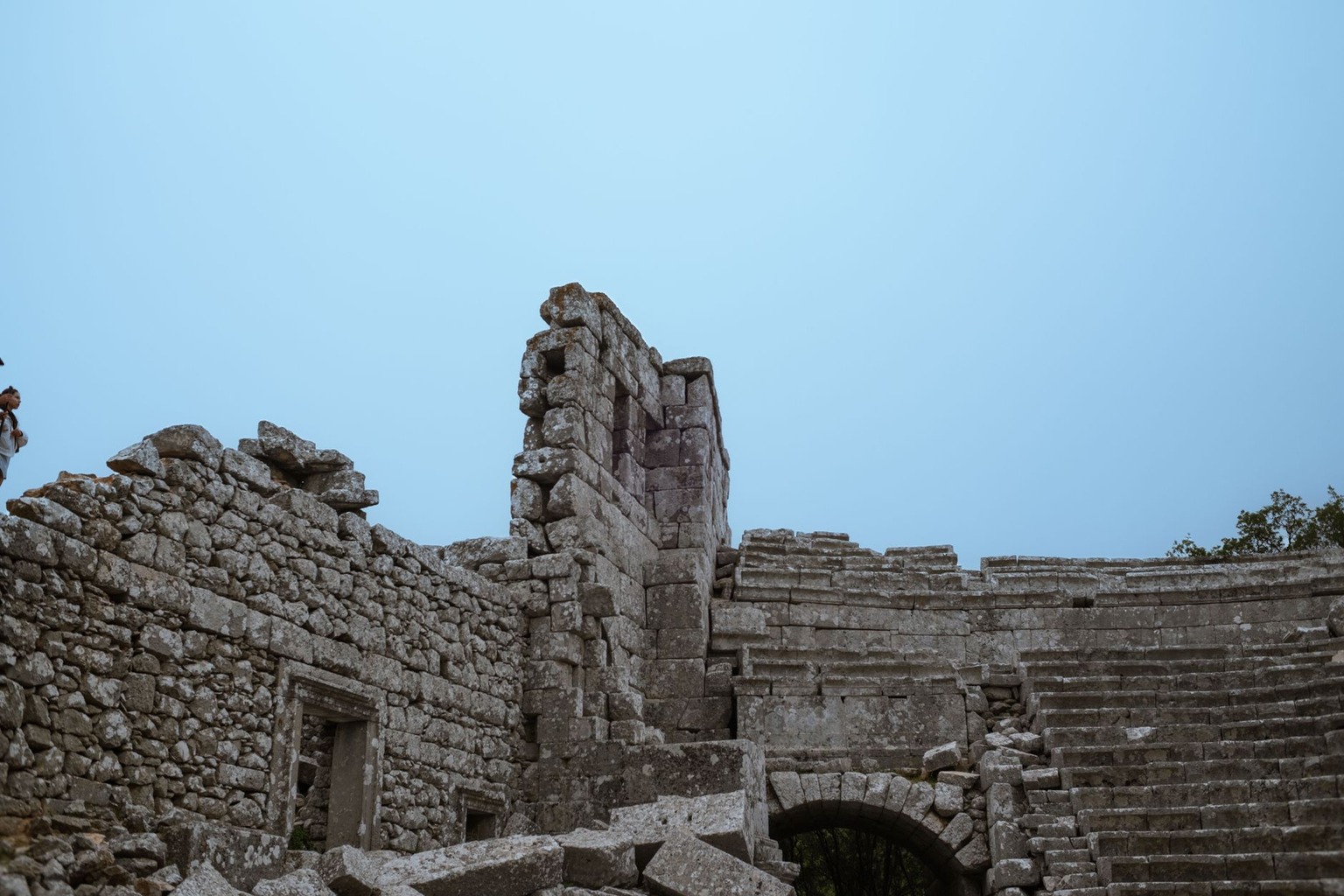
Archaeological investigations conducted over the past century have gradually replaced romantic speculation with hard scientific data regarding the actual extent of their artistic patronage. Excavations at sites like La Couvertoirade and Templin reveal sophisticated building techniques, high-quality masonry, and workshops that shared personnel with major cathedral construction projects. These findings demonstrate that the visual culture of the knights was firmly rooted in mainstream medieval artistic traditions rather than some bizarre occult underground. When researchers piece together broken floor tiles and mutilated capitals, they uncover a vibrant patronage network that enriched the European countryside before the sudden catastrophe of fourteen hundred seven. Understanding this reality requires looking past centuries of ecclesiastical propaganda to see the true craftsmanship that once decorated these frontier outposts.
Conservation efforts today face the daunting task of stabilizing crumbling stone ruins that were deliberately sabotaged over six hundred years ago to deter pilgrims and sympathizers. Heritage agencies utilize advanced laser scanning and non-destructive testing to map tool marks and detect faint traces of medieval polychromy hidden beneath layers of later plaster. These technical analyses help preserve what little remains of the painted decoration, offering modern viewers a fragile connection to a visual landscape that church authorities tried so desperately to erase. The ongoing study of these neglected structures ensures that the physical history of the order survives despite the best efforts of medieval inquisitors to wipe the slate clean. Every restored capital and salvaged window fragment stands as a quiet testament to a chapter of art history written in stone, glass, and fire.

I’ve always been fascinated by how societies and organizations shape history and everyday life. Writing about the interplay between cultural movements and institutional structures lets me explore the stories that connect past and present. I love digging into archives and sharing insights that help readers understand our collective journey.