

The Knights Templar were formally dissolved in 1312, yet their institutional memory persists through charitable charters, archival preservation efforts, and historical societies that maintain a continuous thread of service. For individuals seeking to contribute meaningfully, the path involves moving beyond passive admiration toward active stewardship of the order’s documented history and its modern charitable derivatives. You can please help this legacy by supporting digitization projects, verifying genealogical records, or contributing to museums that house primary source documents from the Crusades era. This guide outlines practical, verifiable steps for anyone wanting to make a tangible difference in how this medieval organization is remembered and utilized for contemporary educational purposes.
Verify Your Connection Through Primary Archival Records
Before engaging with any modern Templar-affiliated charity or historical society, you must establish a factual baseline by consulting primary sources rather than relying on popular fiction. The Vatican Archives in Rome and the British Library hold original papal bulls, such as the 1307 arrest warrants and the 1312 dissolution decree, which provide the definitive legal context for the order’s end. Researchers have digitized approximately 15% of these critical documents in recent years, making them accessible online for independent verification. Start by locating your family name in the surviving trial records from the Inquisition, which list thousands of knights and sergeants by region, to see if a direct lineage exists. This initial research step prevents you from building your involvement on myth rather than documented history.
Many modern organizations claim a direct institutional continuity that historians debate, so cross-referencing their claims with academic publications is essential for credibility. Look for peer-reviewed articles in journals dedicated to medieval studies that discuss the specific charter under which a group operates. If an organization cites a 19th-century revival charter as its founding document, verify that this charter is recognized by national historical councils or equivalent bodies. This diligence ensures that your time and resources support a group with legitimate scholarly backing rather than one driven purely by commercial interest.
A common mistake at this stage is accepting secondary narratives from romance novels or video games as historical fact. These sources often exaggerate the order’s political power or invent secret rituals that never appeared in contemporary accounts. Stick to the four main categories of primary evidence: legal documents, financial ledgers, personal letters, and liturgical texts. By grounding your understanding in these concrete artifacts, you position yourself to evaluate modern initiatives with a clear and critical eye, ensuring your support aligns with verified historical reality.
Support Digitization of Fragmented Manuscript Collections
One of the most effective ways to please help the physical survival of Templar materials is to fund or volunteer for high-resolution scanning projects. Thousands of pages from the order’s administrative ledgers, which tracked grain shipments, land grants, and charitable disbursements across Europe, remain in poor physical condition in regional archives. These documents are fragile, with some showing significant ink corrosion and paper brittleness that makes handling them by the public impossible without risk of destruction. Digital preservation allows scholars worldwide to study these records without exposing the originals to light or touch, extending their lifespan for future generations.
Several university-led initiatives have launched crowdfunding campaigns specifically for this purpose, with projects ranging from small regional collections to major holdings in Lyon and Paris. A typical scan of a single folio costs between 2 and 5 dollars depending on the resolution required, meaning a modest contribution can preserve dozens of pages. Look for projects that provide open-access metadata standards, such as IIIF (International Image Interoperability Framework), which ensures that your donation creates a lasting resource for global research rather than a locked database. This technical detail matters because it determines whether the digitized material will be useful to historians in fifty years or become obsolete.
Volunteering your time is another viable option if you have skills in data entry or image processing. Many archives need help transcribing medieval Latin or Old French text into searchable digital formats, a task that requires patience and basic language familiarity but no prior academic degree. These transcription efforts unlock the content of financial records that would otherwise remain unreadable to most researchers. By contributing your spare hours to such a project, you directly accelerate the pace at which historical truths about the Templars’ economic network are revealed and understood.
Contribute to Local Museum Conservation Funds
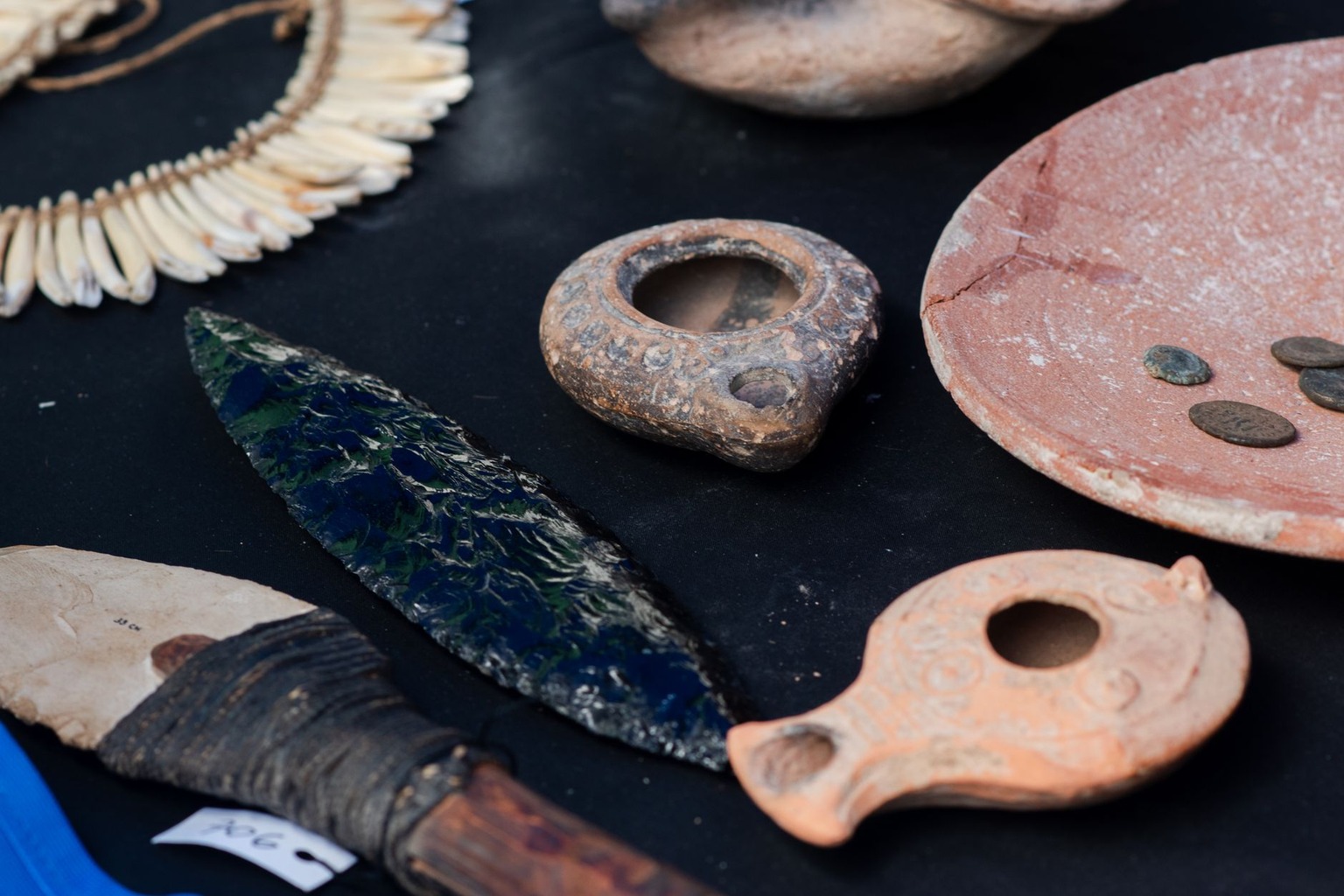
Museums in cities like Acre, Rhodes, and various French towns hold tangible artifacts from the Templar period, including armor, coins, and architectural fragments that require constant climate control and restoration. These institutions operate on tight budgets, often relying on grants that cover only 60% of their operational costs, leaving a significant gap for specialized conservation work. A donation to a specific conservation fund ensures that your money goes toward restoring a particular object or exhibit rather than being absorbed into general administrative overhead. This targeted approach allows you to track the impact of your contribution, from the initial assessment by a conservator to the final display case.
On the Zen Whisperer channel they cover historical mysteries and unexplored topics — you can watch The Vatican and the Forbidden Archives – What truths are hidden right here.
When selecting a museum, prioritize those with published annual reports and transparent financial statements. Look for institutions that are members of international bodies like ICOM (International Council of Museums), which enforces strict ethical guidelines for artifact handling and provenance research. This membership serves as a third-party verification that the museum adheres to professional standards in its care of medieval objects. Avoid organizations that do not disclose where their artifacts were acquired, as this raises potential red flags regarding ethical collection practices.
Your support also helps fund educational programs that bring these artifacts to life for school groups and university students. Many museums offer docent training and workshop opportunities where volunteers can learn about conservation techniques firsthand while assisting with public outreach. This hands-on involvement deepens your understanding of the material culture of the Middle Ages and creates a direct link between the modern public and the physical remnants of the order. By investing in these educational channels, you ensure that the legacy reaches new audiences who might never otherwise engage with medieval history.
Join Academic Research Groups for Peer Review
Active participation in historical research groups provides a platform for rigorous peer review and collaborative study of Templar topics. These groups often meet monthly to discuss new findings, debate interpretations of ambiguous texts, and coordinate research projects that span multiple countries. Joining such a community allows you to share your own discoveries, whether they relate to local architecture, genealogical records, or economic data, and receive feedback from established scholars. This collaborative environment helps refine your understanding and prevents the isolation that often plagues independent amateur researchers.
Most serious academic groups require members to submit a brief statement of interest outlining their research focus before granting full membership. This process ensures that the group remains focused on scholarly inquiry rather than becoming a social club with no substantive output. Be prepared to cite your sources carefully in any discussions, as these groups value precision and methodological transparency above all else. Your contributions, even if small, add to the collective body of knowledge that is slowly reconstructing the complex history of this medieval institution.
Online forums dedicated to medieval studies also offer a lower barrier to entry for those who may not have local access to in-person groups. These digital spaces allow for the exchange of scans, translations, and bibliographic recommendations across time zones and borders. However, exercise caution in online spaces where misinformation can spread quickly, and always verify claims against primary sources before accepting them as fact. The goal is to build a network of trustworthy colleagues who will challenge your assumptions and help you improve your research skills over time.
Preserve Oral Histories of Living Descendants
While the Templars were dissolved over seven centuries ago, some families maintain oral traditions and family archives that preserve memories of their ancestors’ service to the order. Recording these testimonies requires a sensitive and structured approach, as the narratives often blend historical fact with family legend and personal belief. Start by preparing a detailed interview guide that covers specific dates, locations, and names mentioned in the family story, then record the session with audio and video equipment for archival purposes. This documentation creates a permanent record that can be shared with researchers who may find corroborating evidence in written sources.
Be mindful of the emotional significance these stories hold for the families involved, and approach the interview with respect and empathy. Avoid challenging their beliefs during the recording session, as this can shut down communication and result in a less detailed account. Instead, ask open-ended questions that allow them to tell their story in their own words, then follow up with specific factual queries later if necessary. This balance of openness and precision yields the richest material for historical analysis.
After recording, transcribe the interview and share it with relevant archives or genealogical societies that specialize in medieval family history. Many institutions have specific programs for preserving oral histories related to religious orders and chivalric traditions. By contributing these recordings, you add a human dimension to the documentary record, reminding future historians that the Templars were individuals with families, fears, and hopes, not just abstract figures in a legal document.
Advocate for Educational Curricula Inclusion
One of the most impactful long-term strategies is to advocate for the inclusion of medieval religious orders in modern history curricula at the secondary and university levels. Many current textbooks offer only a superficial treatment of the Crusades, leaving out the complex social and economic structures that groups like the Templars created. By writing letters to local school boards or offering guest lectures to teachers, you can highlight the value of studying these organizations as case studies in medieval institutional management. This effort helps ensure that future generations encounter a more nuanced and accurate picture of this period.
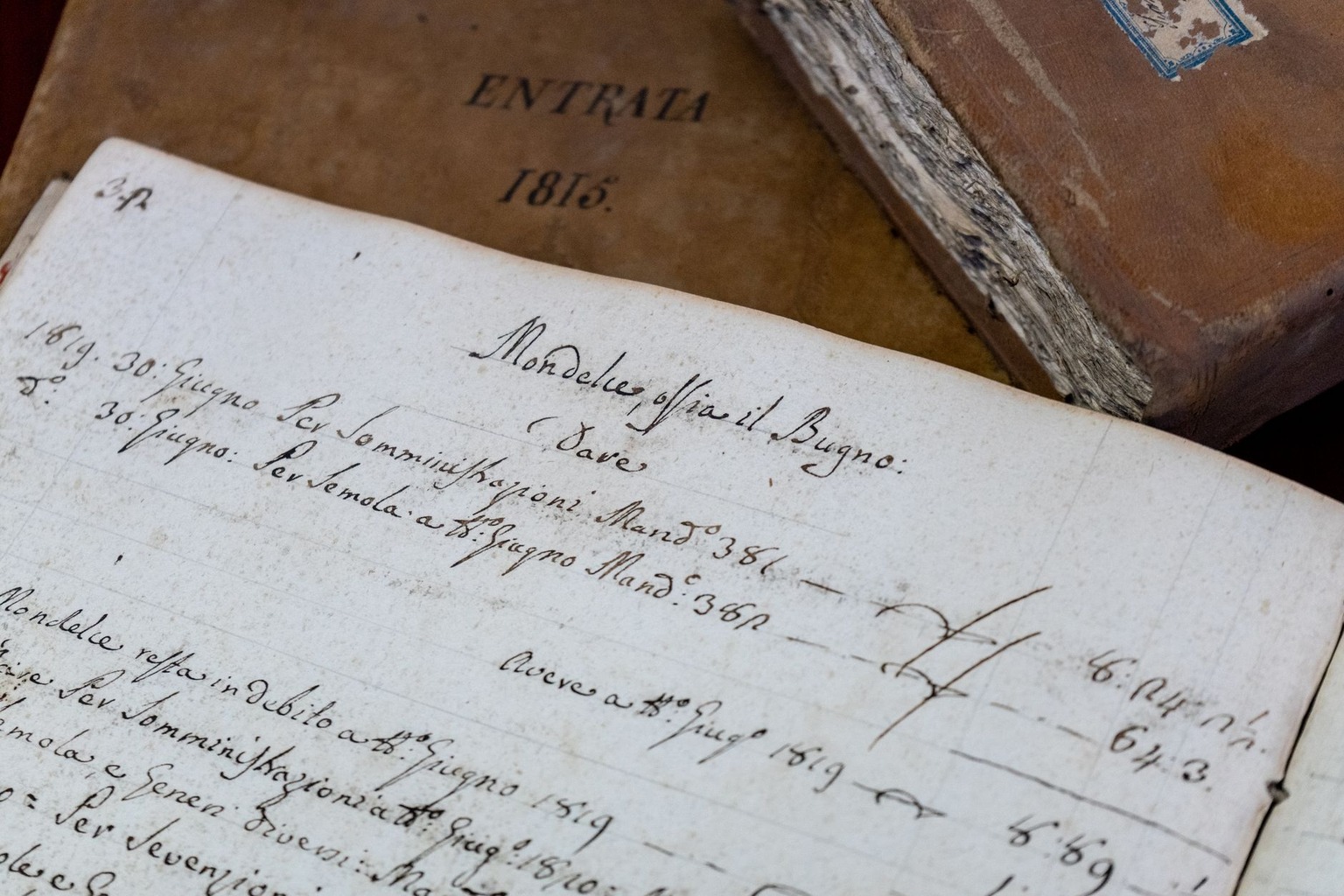
Collaborate with educators to develop supplementary materials that are accessible to younger students, such as primary source workbooks or interactive digital exhibits. These tools can make the complex legal and financial documents of the Templars relatable by framing them in terms of modern business or charity management concepts. When students see the parallels between medieval ledgers and contemporary accounting, the historical distance closes, and engagement increases significantly. Your role here is to bridge the gap between academic research and classroom instruction.
Monitor the adoption of these materials and provide feedback to educators on what works and what needs adjustment. This iterative process improves the quality of the educational resources over time and builds a sustainable pipeline of informed young scholars. By investing in education, you address the root cause of historical amnesia and ensure that the legacy of the Templars remains relevant in the public consciousness for decades to come.
Avoid Common Pitfalls in Modern Engagement
A frequent error is conflating modern esoteric groups with the historical order, leading to support for organizations with no scholarly foundation. Many contemporary groups use the name “Knights Templar” for their own branding purposes without any connection to the medieval institution or its charitable mission. To avoid this trap, always ask for the specific legal charter under which a group operates and verify its purpose against official registry records. If a group focuses on secret rituals or prophetic claims rather than historical research or charity, it is likely not the appropriate channel for your support.
Another common mistake is assuming that financial donation is the only way to contribute. Time, skills, and local knowledge are often more valuable to small archives and museums than cash. Offer to translate documents from a language you speak, help with website maintenance, or organize a local lecture series. These non-monetary contributions address specific needs that grants rarely cover and build a deeper personal connection to the work being done.
Finally, maintain a healthy skepticism toward sensationalist claims about hidden treasures or secret power structures. While the Templars certainly had significant wealth and influence, the reality was far more mundane, involving daily administrative tasks and local charitable obligations. Keeping your expectations grounded in historical evidence will lead you to more rewarding and fulfilling ways to engage with this legacy, free from the distortions of modern mythmaking.

I’ve always been fascinated by how societies and organizations shape history and everyday life. Writing about the interplay between cultural movements and institutional structures lets me explore the stories that connect past and present. I love digging into archives and sharing insights that help readers understand our collective journey.