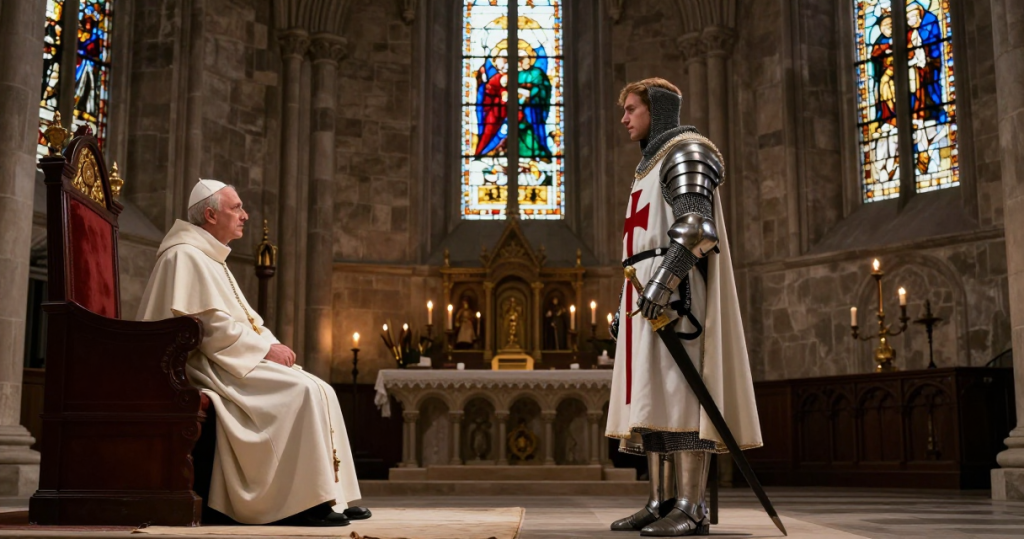
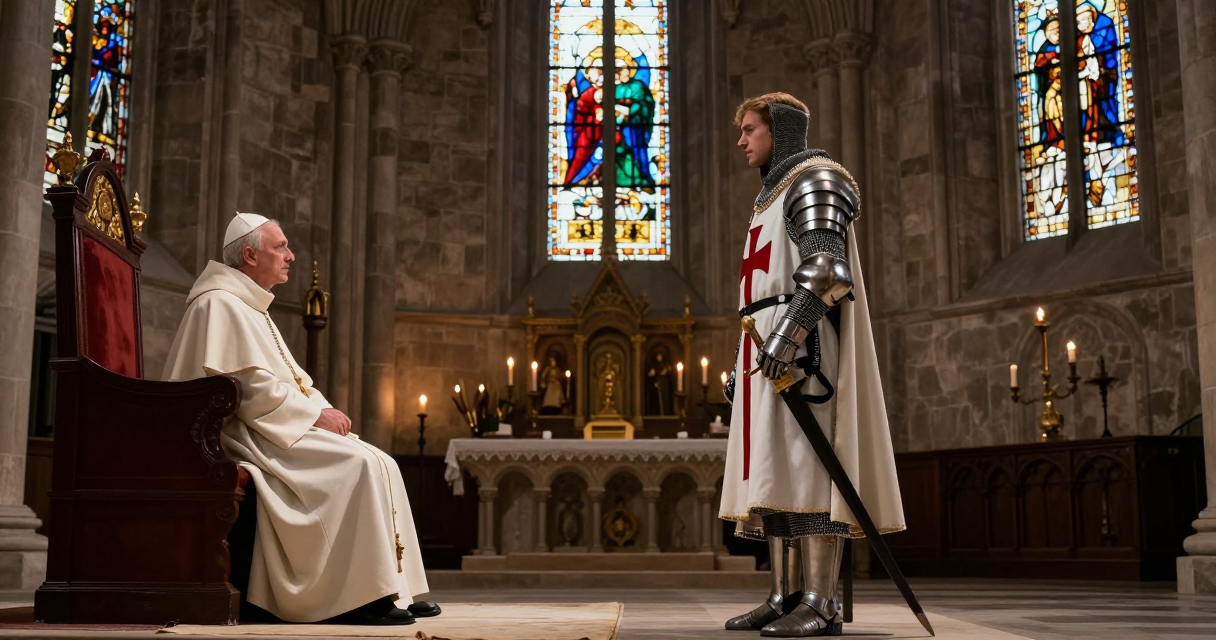
The Knights Templar emerged in the early 12th century as a military order sanctioned by the Catholic Church, but their influence extended far beyond the battlefield. Their rise coincided with a period of intense ecclesiastical transformation, where the Church sought to centralize authority, reform monastic life, and assert its dominance over secular powers. The Templars, with their unique blend of monastic discipline and military prowess, became both beneficiaries and agents of these reforms. Their story reveals how medieval Church reforms shaped, and were shaped by, military-religious organizations, creating a dynamic that would leave a lasting imprint on European society and governance.
The Papal Revolution and the Birth of the Templars
The founding of the Knights Templar in 1119 was not an isolated event but a direct response to the broader ecclesiastical reforms sweeping through Europe. Pope Gregory VII’s 11th-century reforms, often called the Gregorian Reforms, had already redefined the Church’s relationship with secular rulers by asserting papal supremacy over investiture and clerical appointments. By the time Hugues de Payens and his companions took their vows in Jerusalem, the Church was consolidating its authority through new institutional structures. The Templars, recognized by Pope Honorius II in 1129 at the Council of Troyes, became one of the first orders to embody this shift. Their Rule, drafted with input from Bernard of Clairvaux, reflected the Church’s push for monastic discipline among warrior elites, ensuring that even soldiers adhered to strict spiritual regimens.
The Templars’ rapid expansion across Europe was facilitated by the Church’s need for reliable military forces to defend pilgrims and holy sites. Their exemption from local diocesan authority, granted by papal bulls like Omne Datum Optimum in 1139, placed them directly under the Pope’s jurisdiction. This move was not merely about protecting the order but about reinforcing the Church’s centralized control over religious life. The Templars’ ability to operate independently of bishops and kings made them a powerful tool for the papacy, which used them to project influence in regions where secular rulers resisted ecclesiastical oversight. Their financial networks, which included early banking practices, further demonstrated how Church reforms enabled new forms of institutional power.
Monastic Reform and the Templar Rule
The Templar Rule, approved at the Council of Troyes, was a product of the same monastic reform movements that had revitalized the Benedictine and Cistercian orders. Bernard of Clairvaux, a key figure in the Cistercian reform, played a pivotal role in shaping the Templars’ spiritual and operational guidelines. His influence ensured that the order’s Rule emphasized poverty, chastity, and obedience, core tenets of monastic life, but adapted them for a military context. Unlike traditional monks, Templars were permitted to bear arms, yet they were still bound by the same vows of austerity and devotion. This hybrid model reflected the Church’s broader efforts to impose discipline on warrior classes, which had long operated outside ecclesiastical control.
The Rule’s strictures were not merely symbolic. Templars were required to attend daily masses, observe silence during meals, and wear simple, undyed wool habits. Their dietary restrictions, including fasting on Wednesdays and Fridays, mirrored those of monastic orders. Even their combat practices were regulated; the Rule forbade unnecessary violence and mandated that Templars seek permission before engaging in battle. These provisions were designed to curb the excesses of feudal warfare, which had often been marked by brutality and lawlessness. By integrating military service into a monastic framework, the Church sought to create a new kind of warrior, one who fought not for personal glory but for the defense of Christendom.
The Templars and the Centralization of Church Authority
The Templars’ exemption from local ecclesiastical oversight was a radical departure from medieval norms, where bishops held significant power over religious institutions within their dioceses. The papal bull Omne Datum Optimum granted the order the right to retain all spoils of war, build their own churches, and appoint their own chaplains. This autonomy was unprecedented and reflected the Church’s strategy to create a parallel hierarchy that answered only to Rome. The Templars’ independence was not without controversy; many bishops resented the loss of revenue and authority, leading to tensions that occasionally erupted into open conflict. For example, in 1164, the Archbishop of Canterbury, Thomas Becket, clashed with the Templars over their refusal to pay tithes to his diocese.
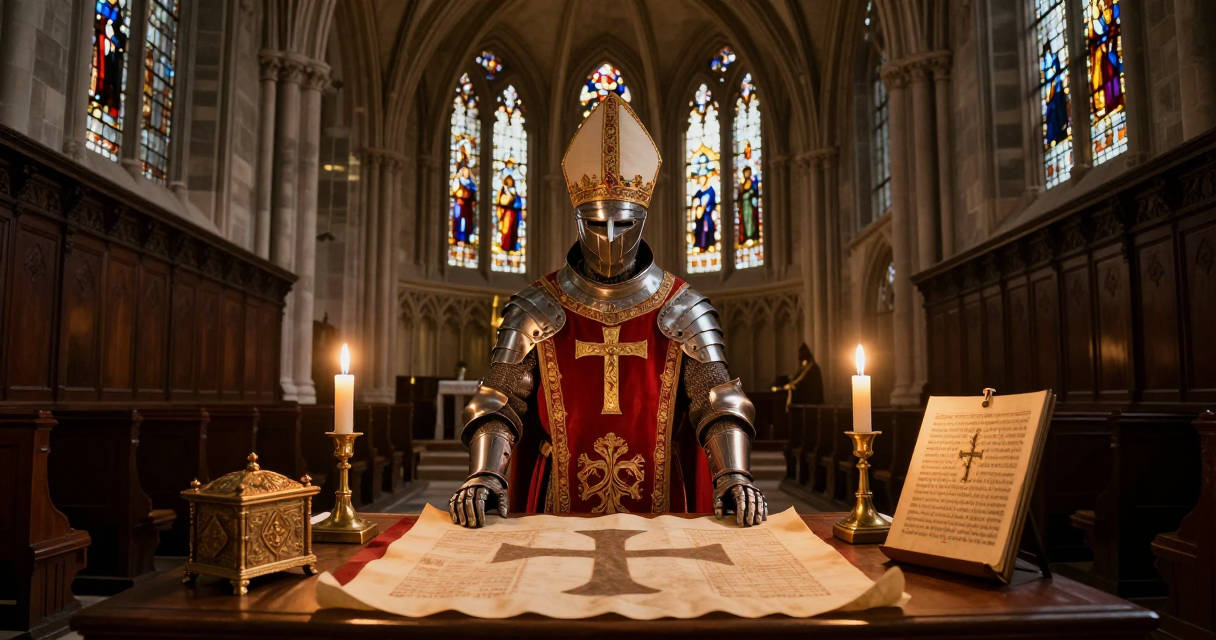
The order’s financial innovations further strengthened the Church’s centralization efforts. Templars developed early banking systems, allowing pilgrims to deposit funds in one location and withdraw them in another. This system not only facilitated safe travel but also generated significant wealth for the order, which it used to fund its military campaigns and infrastructure projects. The Church, recognizing the potential of this model, began to adopt similar practices, laying the groundwork for later papal financial institutions. The Templars’ ability to operate across national borders also made them valuable intermediaries for the papacy, which used them to coordinate crusades and diplomatic missions. Their role in these efforts demonstrated how Church reforms could create new organizational structures capable of transcending feudal divisions.
Church Reforms and the Templars’ Role in the Crusades
The Crusades were the most visible manifestation of the Church’s reform agenda, and the Templars were central to their execution. Pope Urban II’s call to arms in 1095 had framed the Crusades as a holy endeavor, but the initial wave of crusaders lacked the discipline and organization needed to sustain long-term campaigns. The Templars, with their combination of military skill and monastic discipline, provided a solution. Their presence in the Holy Land allowed the Church to maintain a permanent military presence, ensuring that Christian control over Jerusalem and other key sites was not merely symbolic. The order’s involvement in battles like the Siege of Ascalon in 1153 and the Battle of Hattin in 1187 demonstrated their strategic importance, though their defeats also exposed the limits of Church-led military reform.
The Templars’ role in the Crusades was not limited to combat. They also served as administrators, managing castles, roads, and supply lines that were critical to the Crusader states’ survival. Their ability to coordinate logistics across vast distances reflected the Church’s broader efforts to professionalize religious warfare. The order’s network of commanderies in Europe acted as recruitment and training centers, ensuring a steady flow of knights and resources to the Holy Land. This organizational efficiency was a direct result of the Church’s reforms, which had sought to standardize religious and military practices. However, the Templars’ growing power also made them targets of suspicion, particularly among secular rulers who resented their independence and wealth.
The Templars’ Financial System and Ecclesiastical Reform
The Templars’ financial innovations were among their most enduring contributions to Church reform. Their system of letters of credit, which allowed pilgrims to travel without carrying large sums of money, was a precursor to modern banking. This system was not only practical but also aligned with the Church’s efforts to regulate commerce and reduce the influence of secular moneylenders. The order’s ability to lend money to kings and nobles further cemented their role as financial intermediaries, though it also made them vulnerable to accusations of usury, a charge that would later be used against them during their suppression.
The Church’s attitude toward the Templars’ financial activities was ambivalent. On one hand, their wealth and efficiency made them valuable allies in funding crusades and other ecclesiastical projects. On the other, their growing economic power threatened the Church’s monopoly on financial authority. The Templars’ exemption from tithes and other ecclesiastical taxes also deprived local dioceses of revenue, creating resentment among bishops. This tension was a microcosm of the broader struggles within the Church, where reform efforts often clashed with entrenched interests. The order’s eventual downfall in the early 14th century was partly a result of these conflicts, as secular rulers and ecclesiastical authorities conspired to dismantle an institution that had become too powerful to control.
The Suppression of the Templars and the Limits of Church Reform
The dissolution of the Knights Templar in 1312 marked the end of an era in Church reform. King Philip IV of France, deeply in debt to the order, orchestrated their suppression by accusing them of heresy, blasphemy, and other crimes. The charges, though largely fabricated, were effective because they tapped into existing suspicions about the order’s secrecy and wealth. Pope Clement V, under pressure from Philip, issued the papal bull Vox in Excelso, which officially disbanded the Templars. Their assets were transferred to the Knights Hospitaller, but the episode revealed the fragility of Church reforms when faced with secular opposition.
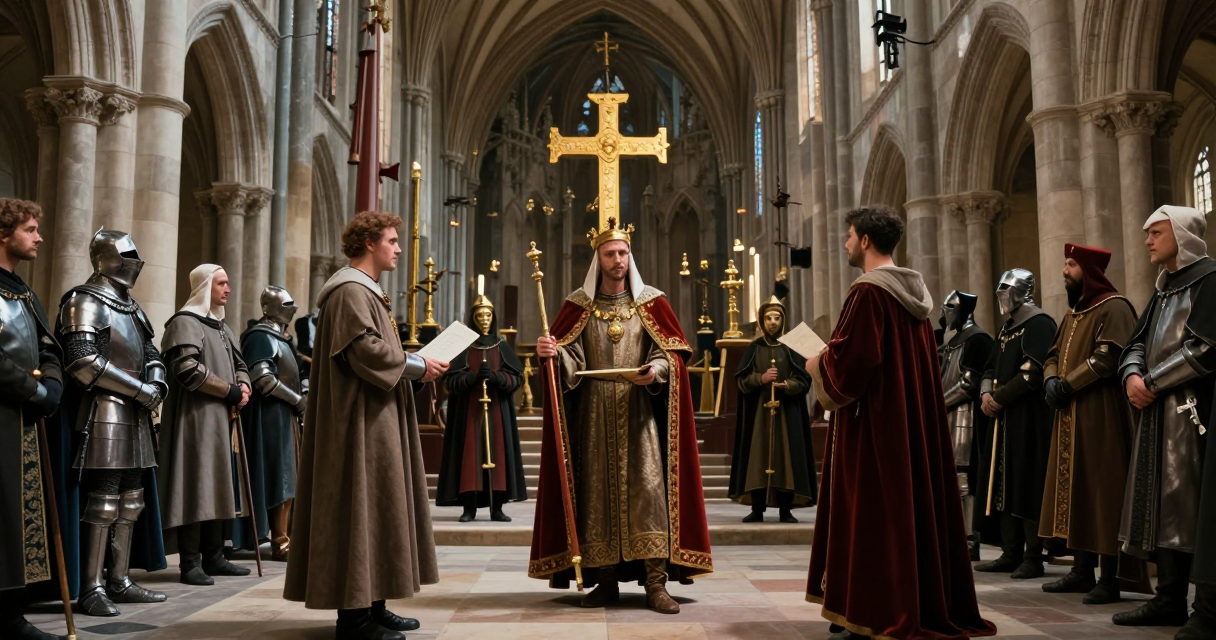
The Templars’ suppression was not merely a political maneuver but a reflection of the Church’s broader struggles to maintain control over its own institutions. The order’s independence, which had once been a strength, became a liability as the Church sought to consolidate power in the face of rising secular authority. The Templars’ fate also highlighted the limits of monastic reform; while the Church had succeeded in creating disciplined military orders, it had failed to anticipate the political and economic consequences of their success. The order’s downfall served as a cautionary tale for future ecclesiastical reforms, demonstrating that even the most innovative institutional structures could be undone by shifting power dynamics.
The Legacy of the Templars in Church and Organizational History
The Knights Templar’s influence on Church reform extended beyond their suppression. Their model of combining monastic discipline with military service inspired later orders, such as the Teutonic Knights and the Order of Santiago. These organizations adapted the Templar Rule to their own contexts, demonstrating the lasting impact of the Church’s efforts to professionalize religious warfare. The Templars’ financial innovations also left a mark on ecclesiastical institutions, influencing the development of papal banking and the Church’s approach to economic regulation. Their story remains a case study in how reform movements can create new organizational structures that outlast their original purpose.
The Templars’ legacy is also evident in the way modern military-religious organizations operate. The concept of a warrior-monk, though rare today, has parallels in contemporary groups that blend spiritual devotion with military or paramilitary activity. The order’s emphasis on discipline, hierarchy, and centralized authority continues to resonate in organizations that seek to balance religious ideals with practical governance. Their history offers a window into the challenges of institutional reform, where innovation often collides with tradition, and where the pursuit of spiritual goals can lead to unintended consequences. The Templars’ rise and fall remain a testament to the complex interplay between Church reform and organizational power in medieval Europe.

I’ve always been fascinated by how societies and organizations shape history and everyday life. Writing about the interplay between cultural movements and institutional structures lets me explore the stories that connect past and present. I love digging into archives and sharing insights that help readers understand our collective journey.