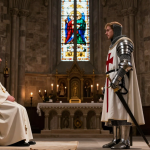
The knights loyalty also translated into a strict adherence to the Templar rule, which governed their conduct and duties. Every Templar was expected to be loyal not only to his comrades but also to the order’s spiritual and military objectives. This duality of loyalty—to faith and to brotherhood—ensured that the knights acted with a clear sense of purpose and discipline. The intertwining of religious devotion and knightly duty created a powerful motivational force that sustained the order through decades of conflict.
Therefore, the nature of loyalty among the Knights Templar was both complex and all-encompassing. It was a loyalty that created unbreakable bonds between brothers, dictated their roles, and inspired their actions. This profound brotherhood bond was a defining characteristic of the order, making the Knights Templar one of the most formidable and enduring knightly organizations in history.
Codes of Conduct and Oaths
The Knights Templar were bound by a strict set of codes of conduct and loyalty pledges that formed the foundation of their brotherhood. These ethical codes were formalized in a series of Templar oaths taken by each member, emphasizing absolute dedication to the Order, unwavering loyalty to fellow knights, and adherence to a disciplined moral framework. Central to these oaths was the vow of chastity, poverty, and obedience, creating a unique blend of monastic devotion and military discipline.
The Templar oaths required knights to place the Order above all personal interests, fostering a profound sense of collective responsibility. Their loyalty pledges extended beyond mere allegiance; they promised to defend one another with their lives, uphold justice within their ranks, and maintain secrecy and humility. These commitments were not only spiritual but practical, ensuring unity and trust among members during perilous crusades and complex political situations.
By adhering to these codes of conduct, the Knights Templar created a powerful brotherhood that transcended ordinary military units. Their oaths symbolized a covenant that blended religious fervor with martial honor, inspiring an enduring legacy of loyalty and courage. Through these loyalty pledges, the Order reinforced a network of support and solidarity that was pivotal for its survival and success throughout medieval history.
Mutual Support and Camaraderie
Brotherhood among the Knights Templar was deeply woven into their daily lives, manifesting in an unwavering mutual support system that strengthened their resolve on and off the battlefield. This mutual support was more than just a principle; it was a living bond that fostered trust and an unshakeable sense of loyalty among the knights. Within the Templar camaraderie, every member knew their strength relied on the collective unity, creating an environment where each knight looked out for and defended the other without hesitation.
The spirit of knightly bonds was reflected through shared responsibilities, ranging from the rigorous training and maintenance of defenses to the spiritual rituals that affirmed their sacred mission. These duties were not burdens but duties embraced equally by all, reinforcing their commitment to one another and the order. Trust thrived in this milieu, as each knight was confident that his brothers would fulfill their roles with dedication, creating a fortress of reliability and honor.
This brotherhood of mutual support and Templar camaraderie enabled the knights to endure hardships and face dangers with a united front. It instilled a profound sense of belonging and purpose, fuelling their courage and perseverance. Ultimately, the knightly bonds forged through daily cooperation and shared devotion were the cornerstone of the Knights Templar’s enduring legacy of loyalty and brotherhood.
Legacy of the Knights Templar Brotherhood and Loyalty
The legacy of the Knights Templar brotherhood and their unwavering loyalty continues to resonate deeply in modern times, influencing a variety of organizations and cultural references. The ideals they upheld—strict fellowship, absolute trust, and unyielding dedication—have transcended centuries, embedding themselves into the very fabric of contemporary groups that value brotherhood and ethical codes. This enduring Templar legacy is evident not only in historical discourse but also in the structures and ethos of modern fraternal societies, military orders, and even popular culture.
Many modern organizations draw inspiration directly from the Templar brotherhood’s principles. Fraternal organizations such as the Freemasons and certain chivalric orders emphasize loyalty and brotherhood in ways that mirror the Templar code. These groups often adopt rituals, symbols, and codes of conduct that echo the Templars’ commitment to mutual support and steadfast allegiance. This influence highlights how the brotherhood impact of the Knights Templar persists as a model of unity and moral integrity, encouraging members to place collective interests above personal gain.
Furthermore, the influence today extends beyond formal groups into broader cultural realms. Literature, films, and video games frequently reference the Templars, portraying them as paragons of loyalty and brotherhood. These cultural depictions fuel popular fascination with their legacy, inspiring contemporary audiences to reflect on the meaning of trust and honor in their own lives. This widespread interest helps perpetuate the Templar ethos, embedding it into popular consciousness and inspiring new generations to appreciate the values they stood for.
In addition, the Templar legacy serves as a reminder of the power of collective identity. Their brotherhood, grounded in loyalty, provided members with a sense of belonging and purpose that reinforced their resilience through adversity. Such lessons remain relevant today, as organizations and communities strive to build trust and foster collaboration in increasingly complex social environments. The ideals championed by the Knights Templar teach that loyalty is not just a personal virtue, but a foundational element of any strong, enduring brotherhood.
In summary, the lasting impact of the Templar brotherhood and loyalty ideals is profound and multifaceted. Their legacy influences not only historical narratives but also modern organizational structures and popular culture. By embodying the principles of unwavering loyalty and brotherhood, the Knights Templar continue to shape the values of contemporary society, underscoring the timeless importance of these ideals.
Modern Organizations Inspired by the Templars
Today, a variety of modern Templar groups exist, drawing inspiration from the historic Knights Templar and their ideals of brotherhood, loyalty, and service. These inspired brotherhoods seek to carry forward the knightly traditions today by promoting values such as charity, faith, and camaraderie among members. While not all of these organizations hold direct historical ties to the original Templar Order, their dedication to the Templar legacy is evident in their symbolism, rituals, and community work.
Many of these contemporary societies blend the mystique of the medieval Templars with modern principles, creating organizations that focus on humanitarian efforts, fraternal bonds, and the study of history and chivalry. The continuity of knightly traditions today is reflected in their ceremonies, regalia, and commitment to ethical conduct. Members often engage in charitable activities, support religious and cultural causes, and foster a shared sense of identity inspired by the valor and dedication of the original knights.
From charitable foundations to fraternal orders, these modern organizations keep the spirit of the Knights Templar alive in the 21st century. They offer a unique opportunity for individuals to connect with a rich heritage of brotherhood while contributing positively to their communities. Through their adherence to Templar-inspired values, these groups ensure that the legacy of loyalty, faith, and service continues to resonate in the contemporary world.
Cultural Depictions of Brotherhood and Loyalty
The portrayal of the Knights Templar in culture often centers around their unwavering sense of brotherhood and loyalty. Films, books, and various media portray the Templar as a tightly-knit brotherhood bound by a sacred oath to protect one another and their ideals. This theme of loyalty is a recurrent motif, highlighting the depth of commitment each member has towards the order and its mission. For example, in many historical and fictional accounts, the Templar are shown to put their lives on the line not just for personal survival but to uphold the collective honor of their brethren.
Media portrayals frequently emphasize the secretive and disciplined nature of the Knights Templar, using these elements to explore complex themes of trust, betrayal, and fidelity. The loyalty themes are dramatized to illustrate conflict and resolution within the group, demonstrating how the strength of brotherhood can overcome even the most dire circumstances. This has cemented the image of the Templar in culture as paragons of bravery and faithfulness, resonating with audiences who admire the ideals of unwavering loyalty and solidarity.
Additionally, the Templar’s depiction in popular culture as defenders of sacred secrets and guardians of truth adds layers to their brotherhood, suggesting a mystical component to their loyalty. Such representations shape a narrative that intertwines historical fact with myth, further embedding the Knights Templar in the cultural imagination as symbols of idealized loyalty and brotherhood that transcend time and media forms.
Origins of the Knights Templar Brotherhood
The Knights Templar origins date back to the early 12th century, a period marked by religious fervor and the Crusades in medieval Europe. Founded around 1119, the Knights Templar brotherhood was established by a small group of knights led by Hugh de Payens. Their original purpose was to protect Christian pilgrims traveling to the Holy Land following the First Crusade. This was a time when pilgrimages were perilous, with constant threats from bandits and hostile forces along the routes to Jerusalem.
The historical context that led to the formation of the Templar brotherhood was shaped by the Crusades, a series of religious wars initiated by the Latin Church to reclaim sacred territories. The instability in the region created a pressing need for an organized military force that could safeguard pilgrims and hold key fortifications. The Knights Templar quickly rose in prominence, gaining the endorsement of influential figures such as King Baldwin II of Jerusalem and the support of the Catholic Church, particularly Pope Innocent II.
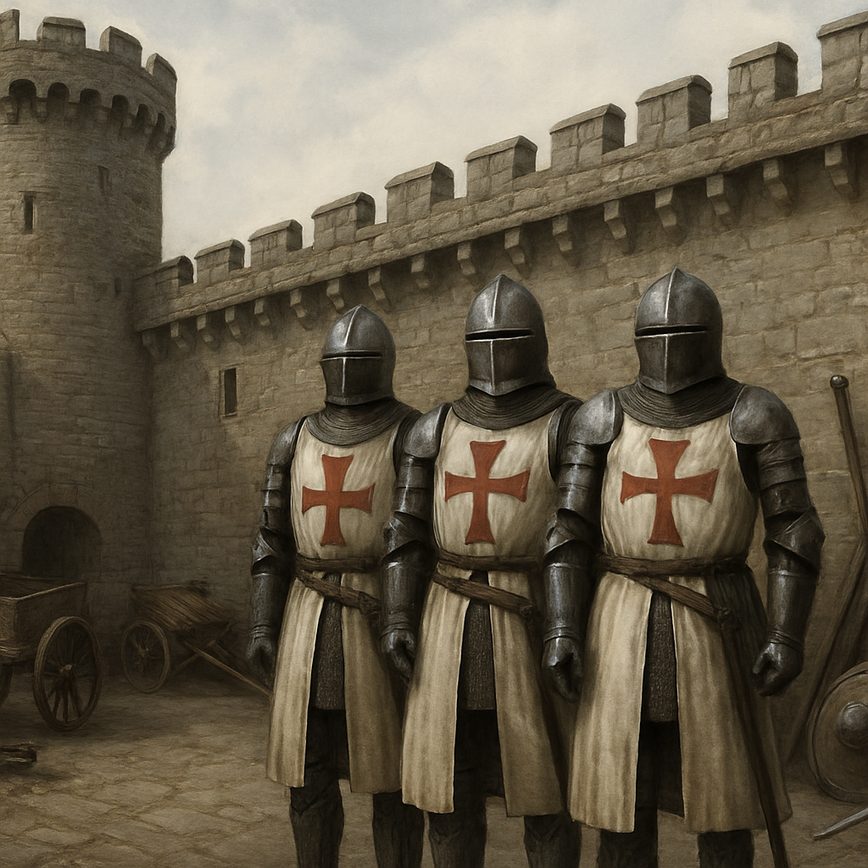
What set the Knights Templar apart in medieval brotherhoods was their unique combination of monastic life and military discipline. Members took vows of poverty, chastity, and obedience, committing themselves not only to warfare but also to spiritual ideals. Their distinctive white mantles emblazoned with a red cross became a symbol of their dual role as devout monks and formidable knights.
As the Templar history evolved, the brotherhood established a complex organizational structure and amassed significant wealth and political influence. Despite their military purpose, they also played a critical role in developing early banking systems and providing financial services to pilgrims and nobility. The formation of the Knights Templar was thus not only a response to immediate military needs but also a reflection of broader social, religious, and economic trends in medieval Europe.
Founding Principles and Mission
The Knights Templar were founded on a set of strict founding principles that shaped their identity and mission throughout the medieval period. At the heart of the Templar mission was a commitment to protect Christian pilgrims traveling to the Holy Land, a task that intertwined their spiritual vows with military duties. These core principles were deeply rooted in religious devotion, discipline, and loyalty to the Church, which set them apart from other knightly orders of the time.
Central to the founding principles of the Knights Templar was their vow of poverty, chastity, and obedience, reflecting their monastic origins. Unlike typical knights, they were both monks and warriors, committed to defending Christendom during the turbulent era of the Crusades. The order’s strict code emphasized brotherhood, unity, and readiness to sacrifice for their cause, which fostered a powerful esprit de corps and enduring loyalty among its members.
During the Crusades, the Templar mission expanded from protecting pilgrims to becoming elite warriors on the battlefield. They played a critical role in numerous campaigns, fortifying strategic locations and providing military expertise which proved invaluable to the Christian forces. The Knights Templar’s reputation for bravery and unwavering loyalty grew, making them one of the most formidable and respected orders of the Crusades. Their mission and founding principles not only shaped their actions but also left a lasting legacy in medieval history.
Structure and Organization of the Brotherhood
The Knights Templar were renowned for their unique and disciplined organization, which played a crucial role in their success as a knightly order. The internal structure of the Templar hierarchy was carefully designed to ensure order, efficiency, and loyalty within the brotherhood. At the top of the hierarchy stood the Grand Master, the supreme leader responsible for the entire order’s direction and administration.
Beneath the Grand Master, the organization was divided into various ranks and roles. Senior knights held titles such asseneschal, marshal, and preceptor, each managing different aspects of the order’s military, financial, and religious duties. The knights themselves were full members who had taken vows of poverty, chastity, and obedience, dedicated to both fighting and spiritual service.
Supporting the knights were the sergeants and chaplains. Sergeants performed more routine military tasks and guarded Templar properties, while chaplains handled the spiritual needs and religious ceremonies, reinforcing the order’s sacred mission. This layered structure was critical for maintaining the strict discipline and cohesion necessary for the brotherhood’s demanding roles.
The Templar hierarchy exemplified a well-organized knightly order, balancing martial prowess with religious dedication. This organization not only enhanced their military effectiveness but also fostered a deep sense of brotherhood and loyalty among members, cementing the Knights Templar as one of the most disciplined and powerful knightly orders of the medieval period.
Brotherhood and Loyalty Among the Knights Templar
The Knights Templar were renowned not only for their military prowess but also for the profound bond of brotherhood and the unquestionable loyalty that held their order together. This sense of Templar loyalty was not a mere formality but the very essence of their identity and the foundation upon which their order was built. Each Knight’s commitment to this brotherhood bond shaped their relationships and duties, creating a tightly knit community dedicated to a common mission.
If you want to dive deeper into the history, the channel Get.factual covers the mysteries of the Knights Templar, and you can watch it right here.
At the heart of the Templar brotherhood was a vow of loyalty that transcended ordinary allegiance. Knights swore to place the interests of the order above all else, including personal desires and familial ties. This commitment ensured that knights loyalty was unwavering, fostering an environment of mutual trust and dependence. Such loyalty was essential for their survival and effectiveness, especially given the constant threat of adversaries they faced in their crusading missions.
Integral to the brotherhood bond was the shared life of discipline, prayer, and martial training. Living and serving together under strict codes, the knights developed an intimate understanding of one another’s strengths and weaknesses. This closeness nurtured a powerful esprit de corps, reinforcing their loyalty and encouraging each member to support and protect his brothers. The brotherhood was not merely about camaraderie but about forging warriors whose loyalty could be relied upon implicitly in the chaos of battle.

I’ve always been fascinated by how societies and organizations shape history and everyday life. Writing about the interplay between cultural movements and institutional structures lets me explore the stories that connect past and present. I love digging into archives and sharing insights that help readers understand our collective journey.